Aciachne pulvinata Care

Aciachne pulvinata

About Aciachne pulvinata

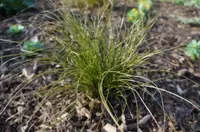
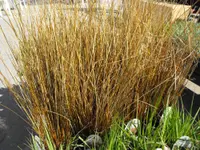
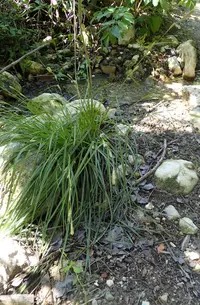
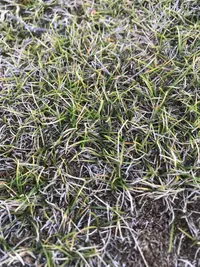
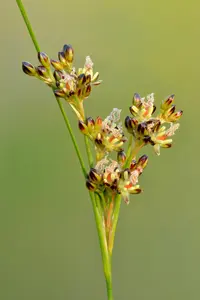
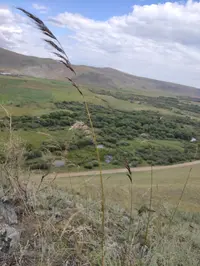
Aciachne pulvinata is a small, cushion-forming grass adapted to harsh, high-altitude environments in the tropical Andes of South America. It typically grows in dense, low mats that hug the ground, helping it resist strong winds and cold.

The plant has fine, tufted foliage and a compact habit, making it visually similar to alpine or steppe cushion grasses. Its slow growth and preference for cool, bright, open sites can make it challenging outside its native climate.

Gardeners who want to care for Aciachne pulvinata need to provide excellent drainage, low to moderate moisture, and plenty of light, ideally in rock garden or alpine-style conditions.

Main Plant Requirements

Care Difficulty

Moderate Care

Light Preference

Full Sun

Water Requirements

Moderate Water

Temperature Preference

Cool Climate

Hardiness Zone

Unknown

Soil Texture

Rocky, Sandy, Loamy

Soil pH

Slightly acidic (6.5–7.0)

Soil Drainage

Well-drained

Fertilization

Minimal (feed rarely)

Get Personalized Care Plan

Scan your plant to receive care tips personalized for your specific plant

Available on iOS and Android

How to Care for the Aciachne pulvinata

This small cushion-forming grass prefers bright, open conditions similar to high-altitude moorlands.

  • Provide 6–8 hours of direct sun daily in cool or high-elevation climates; in hotter lowland sites, aim for 4–6 hours of morning sun plus light afternoon shade.
  • It tolerates light partial shade but growth becomes looser and flowering decreases if sun drops below about 4 hours per day.
  • Monitor foliage for stress: pale, elongated tufts suggest too little light, while brown, crispy tips indicate excessive intense afternoon sun exposure.

Water needs are modest and depend strongly on soil drainage and local rainfall.

  • Use sharply drained, gritty soil and water only when the top 3–5 cm feel dry; standing water around the crown quickly causes rot in Aciachne pulvinata.
  • In cool, rainy seasons, natural precipitation is often enough; in hot, dry weather, deepen watering but keep intervals longer rather than increasing frequency.
  • Watch for yellowing, mushy bases as a sign of overwatering, and folding, brittle leaves or shrinking cushions as indicators of drought stress.

This species is adapted to cool, exposed habitats and dislikes prolonged heat or hard frost.

  • Aim for active growth in 50–68°F (10–20°C), which mirrors cool upland conditions and supports dense cushion formation.
  • It tolerates brief drops to about 23–25°F (-5 to -4°C) if soil drains fast, but repeated freeze-thaw in wet ground increases crown damage risk.
  • Extended periods above 80°F (27°C), especially with strong sun and dry wind, can cause scorching, so provide extra moisture in the root zone and some afternoon shade in hot summers.

This high-altitude grass prefers cool, relatively dry air rather than high humidity.

  • Target 30–50% humidity, similar to a dry indoor room or sheltered outdoor rock garden.
  • It tolerates brief drier air well but declines in persistently humid, stagnant conditions.
  • Humidity stress appears as matted, yellowing cushions and increased fungal spotting; improve air movement and keep foliage dry.

Aciachne pulvinata thrives in lean, very well-drained, mineral-based soil that mimics rocky alpine slopes.

  • Use a gritty mix such as 40% coarse sand, 30% fine gravel or grit, and 30% low-organic loam or cactus mix to prevent waterlogging.
  • Ensure extremely sharp drainage; raised beds, rock crevices, or sloped containers help water run off quickly.
  • Aim for slightly acidic to neutral pH, roughly 6.0–7.0, avoiding strongly alkaline or salty substrates.
  • Avoid heavy clay, peat-heavy, or consistently wet mixes, which reduce aeration and promote root rot in compact cushions.

This species can be grown in containers if provided with very fast drainage and a stable, shallow setup.

  • Choose a wide, shallow pot that allows cushion spread without forcing deep, wet substrate below the roots.
  • Use a heavy clay or stone container for outdoor culture to prevent toppling in wind over time.
  • Elevate the pot on feet or mesh so drainage holes stay clear and runoff leaves quickly, limiting prolonged saturation at the base.

This cushion-forming grass is adapted to lean soils, so Aciachne pulvinata needs only very light feeding, if any, in cultivation.

  • If growth is weak, use a balanced, dilute liquid fertilizer (for example 10-10-10 at 1/4 strength) during active growth.
  • Apply at most once every 4–6 weeks in spring–summer; skip feeding in fall–winter dormancy.
  • Choose low-salt products or well-matured compost to avoid root burn in shallow, fine roots.
  • Always water before and after feeding so nutrients disperse evenly through the root zone.

Pruning needs are minimal, focusing on hygiene and maintaining the compact cushion habit of Aciachne pulvinata.

  • Best time is late winter or early spring before strong new growth starts.
  • Trim away dead, damaged, or diseased tufts with clean, sharp scissors or small snips.
  • Lightly thin crowded patches to improve air movement and reduce fungal problems.
  • Avoid cutting back into the oldest, woody centers too hard, as this can slow regrowth.

This species is usually grown in rock gardens or alpine beds, so focus on careful transplanting rather than frequent repotting.

  • Transplant in early spring or early fall when temperatures are mild and soil is workable.
  • Move clumps only when growth slows, the center becomes sparse, or roots circle a container.
  • Lift the plant with a wide root ball, disturbing roots as little as possible to reduce stress.
  • Replant into sharply drained, gritty soil at the same depth, then water lightly until established.

Propagation of Aciachne pulvinata is usually done on a small scale by gardeners familiar with alpine grasses.

  • Division in early spring is the most practical method for home growers.
  • Lift the clump carefully and split into small sections, each with healthy roots and foliage.
  • Replant divisions into sharply drained, gritty substrate and keep slightly moist, not wet, until established.
  • Seed raising is possible but slow; provide bright light, cool temperatures, and a very free-draining mix.

This alpine grass is inherently cold hardy in suitable climates and usually needs little structured winter care.

  • In-ground plants in cold regions tolerate frost and snow if drainage is excellent.
  • Avoid waterlogged conditions; raised beds or rock crevices help keep crowns dry in winter.
  • For containers, move pots to a sheltered, unheated but frost-exposed spot to prevent repeated freeze–thaw cycles.

Care Tips

Alpine-style drainage

Plant on a slight mound or in a raised rock pocket so water always runs off the cushion and does not sit against the crown, which greatly reduces rot risk in wet periods when growing Aciachne pulvinata.

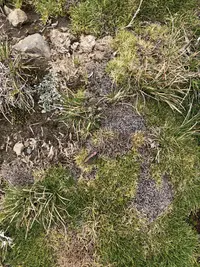
Gravel surface mulch

Top-dress around the cushions with a thin layer of sharp grit or small gravel to keep leaf bases dry, stabilize soil temperature, and discourage moss from smothering the plant.

Minimal handling

Avoid frequent touching, division, or stepping near the cushions, as the compact shoots are easily bruised and damaged, leading to dieback from the center outwards.

Winter rain protection

In climates with cold, wet winters, use a simple clear polycarbonate or glass rain shield over the planting area to keep the cushions relatively dry while still allowing full light and airflow.

Careful weed exclusion

Install a coarse gravel barrier or rock edging around the planting zone so wind-blown weed seeds are less likely to root into the dense cushion, which is difficult to weed without tearing shoots.

Common Pests and Diseases

Leaf spot fungi

This disease causes small brown to dark olive spots on leaf blades that may merge under prolonged leaf wetness. Symptoms include thinning cushions and reduced growth in compact mats.

Solution

Remove and discard the most affected leaves to reduce inoculum, then reduce overhead watering and avoid constant surface wetness. In outdoor or greenhouse settings, improve air movement around cushions and, if needed, use a targeted grass-safe fungicide labeled for foliar leaf spots, applied in dry, cool conditions according to label directions.

Crown blight

This disease leads to browning and collapse of cushion centers while outer edges remain green for a time. Symptoms include a dry, tan to gray crown area and gradual dieback of dense mats.

Solution

Cut out and dispose of affected central patches and loosen surrounding growth so air can reach the crown. Allow the surface to dry slightly between waterings, avoid heavy mulch packed against cushions, and in persistent cases consider a systemic fungicide suitable for turf or alpine grasses, used sparingly and only as directed.

Soil-dwelling grubs

These insects feed on fine roots and can cause patchy decline, weak anchoring, and easy lifting of the cushions from the substrate. Symptoms include uneven yellowing and poor recovery after stress.

Solution

Gently lift a small section of declining turf to confirm the presence of larvae, then manually remove grubs where infestations are light. For larger plantings, encourage natural predators, avoid overwatering, and if required use a targeted soil insecticide or biological control such as entomopathogenic nematodes, applied when larvae are small and soil is moist but not waterlogged.

Leaf-mining larvae

These insects create narrow, pale tunnels or blotches within the thin leaves, which can give cushions a mottled appearance. This pest weakens individual shoots but rarely kills established mats unless populations are high.

Solution

Trim and discard the most affected foliage to physically remove larvae and reduce future emergence. Encourage natural predators by avoiding broad-spectrum insecticides, and in severe cases use a selective systemic insecticide labeled for leaf-mining insects on grasses, applied at low rates and only when active mining is observed.

Interesting Facts

High Andean cushion

This grass forms dense cushion-like mats on high Andean slopes, a growth form that reduces heat loss and protects its tissues from freezing night temperatures and strong winds.

Soil stabilizing role

Its low, compact tufts help anchor thin mountain soils, reducing erosion on exposed ridges and contributing to the stability of high-altitude grassland communities.

Extreme altitude specialist

Populations occur in puna and páramo habitats at very high elevations, where few vascular plants can survive the combination of intense solar radiation, low oxygen, and large daily temperature swings.

FAQs about Aciachne pulvinata

This grass forms dense, cushion-like clumps and usually spreads slowly by short shoots. It is not known as an aggressive spreader and is generally manageable in rock gardens, crevices, or alpine-style plantings.

Grow Healthy Plants with Botan Care

Keep your plants happy and healthy with plant identification, disease detection, and easy care guidance.

Botan plant care app — identify plants on mobile

Explore More Plants