Allow Root Spread
Space plants 45–60 cm apart in open ground so the rhizomes can spread into a stable clump that resists erosion and wind lodging over time.

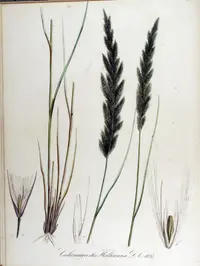
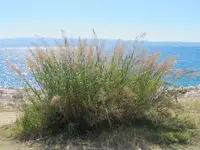
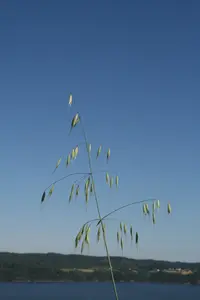
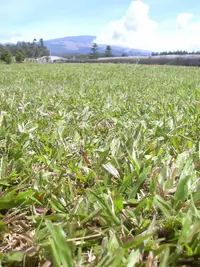
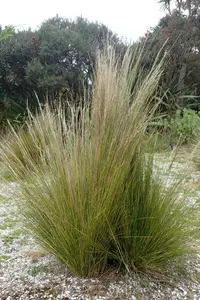
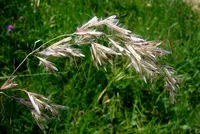
Coastal small-reed (Calamagrostis pseudophragmites) is a clump-forming perennial grass found along riverbanks, lakeshores, and wetlands in Eurasia and parts of North America. It forms upright, slender stems with narrow leaves and airy flower panicles that create a fine, textured look.
This grass thrives in moist, often sandy or silty soils and tolerates seasonal flooding, wind, and nutrient-poor conditions. It is generally low-maintenance once established, making it suitable for naturalistic plantings and erosion control projects.
Gardeners who want to care for coastal small-reed should provide consistent moisture and full sun to light shade, along with space for its spreading habit.

Care Difficulty
Easy Care

Light Preference
Full Sun

Water Requirements
Keep Soil Moist

Temperature Preference
Cold Hardy

Hardiness Zone
4–9

Soil Texture
Sandy, Loamy, Silty

Soil pH
Acidic (5.5–6.5), Slightly acidic (6.5–7.0)

Soil Drainage
Waterlogged tolerant

Fertilization
Minimal (feed rarely)
Scan your plant to receive care tips personalized for your specific plant
Available on iOS and Android
This riparian grass thrives in open, bright sites with consistent sun exposure.
This moisture-loving grass prefers consistently damp, not stagnant, soil.
This hardy grass is adapted to cool to warm temperate climates with seasonal variation.
Humidity is rarely a limiting factor for Calamagrostis pseudophragmites, which adapts to typical outdoor ranges.
For stable growth, provide moist, well-structured mineral soil that does not stay waterlogged.
This grass is suitable for container growing outdoors if the pot is sized and weighted to handle tall, wind-exposed foliage.
This species typically grows well in average to lean soil, so coastal small-reed needs only light, targeted feeding in cultivation.
Pruning supports tidy growth and stand renewal in Calamagrostis pseudophragmites without complex techniques.
This grass is more often transplanted in the landscape than kept long-term in containers, but root disturbance should still be minimized.
This species is most reliably multiplied by division rather than by cuttings.
Calamagrostis pseudophragmites is generally cold hardy and needs minimal winter care in most temperate climates.

Plant Health Check
Not sure what's wrong with your plant? Check your plant's health inside the app.
This species is strongly associated with dynamic river systems, often forming narrow belts on natural levees, sand banks, and low bars where periodic flooding and sediment movement occur.
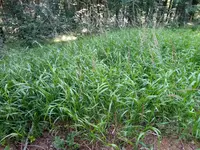
It spreads mainly through short rhizomes and tillering, forming dense, often nearly pure stands that can stabilize loose alluvial soils and influence how river edges erode and accrete over time.
In parts of Central Europe, it is regarded as a nitrophilous grass, and its increased abundance along regulated rivers and canals has been linked to nutrient enrichment, making it useful in assessing altered riverbank habitats.

Calamagrostis pseudophragmites is considered a characteristic species of the alliance Calamagrostion pseudophragmitis within European riparian vegetation syntaxonomy, and its presence is used by vegetation scientists to define and classify a distinct type of tall-grass riverbank community.
Leaf tips and margins brown mainly from drought, high heat, or excess fertilizer salts. In exposed sites, wind scorch also contributes. Check soil moisture, reduce fertilizer, and leave late-season browning as normal dormancy rather than damage.
Keep your plants happy and healthy with plant identification, disease detection, and easy care guidance.