Staggered Sowing
Sow small batches every 2–3 weeks rather than all at once to maintain a continuous stand and quickly replace any patches lost to pests or drought.

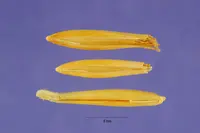
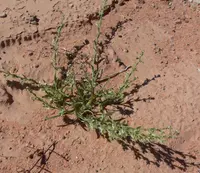
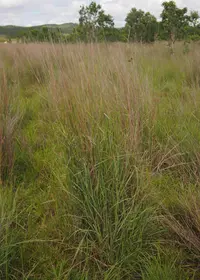
Slender oat, Avena barbata, is a cool-season annual grass often found in meadows, roadsides, and disturbed soils. It has slender, upright stems with narrow leaves and nodding seed heads.
The plant spreads by seed and can form loose, airy stands that blend easily into naturalistic plantings. Its fast growth and tolerance of poor, dry soils make it relatively easy to establish in many regions with mild, wet winters and dry summers.
It prefers open, sunny sites with well-drained soil and moderate moisture during active growth. Understanding these simple needs helps gardeners care for Slender Oat in low-input landscapes and restoration projects.

Care Difficulty
Easy Care

Light Preference
Full Sun

Water Requirements
Moderate Water

Temperature Preference
Cool Climate

Hardiness Zone
6–10

Soil Texture
Sandy, Loamy, Rocky

Soil pH
Slightly acidic (6.5–7.0), Neutral (7.0)

Soil Drainage
Well-drained

Fertilization
Minimal (feed rarely)
Scan your plant to receive care tips personalized for your specific plant
Available on iOS and Android
Avena barbata prefers open, bright sites typical of cool-season annual grasses.
Avena barbata grows as a drought-tolerant, cool-season grass that prefers moderate, not constant, soil moisture.
This cool-season annual grass prefers mild conditions and slows or dries as weather becomes hot.
Humidity is not a major factor for this drought-tolerant Mediterranean annual grass.
This annual grass prefers lean, well-drained mineral soils that stay on the dry side.
This species can be grown in containers for temporary display or habitat plantings.
Avena barbata usually grows well in lean soils and needs only light fertilization when grown in managed beds or containers.
Pruning Avena barbata is minimal and mainly supports plant tidiness and reseeding control.
This species is usually grown outdoors in soil, so focus on careful transplanting rather than frequent repotting.
Avena barbata is most often propagated by seed, which suits its annual or short-lived habit.
In most temperate regions, Avena barbata needs little specific winter care when grown in open ground.

Plant Health Check
Not sure what's wrong with your plant? Check your plant's health inside the app.
Avena barbata is predominantly self-pollinating, which allows genetically similar lineages to persist and spread with little reliance on cross-pollination by wind or other plants.
Populations of Avena barbata in regions like California are famous in population genetics because they form distinct, stable genetic races, often linked to specific microhabitats and soil conditions.
Native to the Mediterranean basin, Avena barbata has become a successful naturalized species in parts of North America, South America, and Australia, especially in disturbed grasslands and roadsides.

Avena barbata was one of the early model species used to study chromosome inversions in natural populations, helping scientists understand how chromosomal rearrangements can structure genetic variation across landscapes.
This species self-seeds easily and can spread quickly in open, disturbed ground. In mild climates it may form dense patches. Mow or remove seed heads before ripening if you need to limit spread in managed areas.
Keep your plants happy and healthy with plant identification, disease detection, and easy care guidance.