Support upright stems
Install low, discrete twiggy sticks or small mesh support early in the season so the hollow stems stay upright and dry, which reduces lodging and stem rot in wet or windy weather.

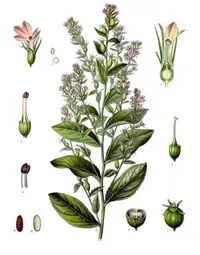
Indian-tobacco (Lobelia inflata) is a short-lived herbaceous plant known for its branching stems, pale blue flowers, and distinctive swollen seed pods. It usually grows 15–60 cm tall with a somewhat upright, bushy habit.
This species is native to eastern North America, where it appears in open woods, fields, and disturbed ground. It reseeds readily, so it can persist in a garden if allowed to set seed.
Lobelia inflata can be moderately challenging, as it dislikes drought, waterlogging, and heavy competition from larger plants. It prefers sun to light shade, evenly moist soil, and low to moderate fertility, and understanding these needs helps guide how to care for Indian-tobacco.

Care Difficulty
Moderate Care

Light Preference
Full Sun

Water Requirements
Regular Water

Temperature Preference
Cool Climate

Hardiness Zone
3–8

Soil Texture
Loamy, Sandy, Organic-rich

Soil pH
Acidic (5.5–6.5), Slightly acidic (6.5–7.0)

Soil Drainage
Moist but well-drained

Fertilization
Minimal (feed rarely)
Scan your plant to receive care tips personalized for your specific plant
Available on iOS and Android
This species prefers bright outdoor conditions with moderate direct exposure and protection from extreme midday sun.
This plant prefers consistently moist, well-drained soil and reacts quickly to both drought and waterlogging.
This annual herb thrives in mild temperate conditions and is sensitive to hard frost and extreme heat.
This species handles typical outdoor humidity but benefits from moderately moist air in hot, dry weather.
Lobelia inflata prefers moist, loose mineral soil that never stays waterlogged.
This species can be grown in containers for short-lived seasonal displays.
This native annual usually needs little feeding, especially in reasonably fertile soil, so Indian-tobacco care focuses more on light and moisture than fertilizer.
Pruning Lobelia inflata is light and mainly aims to tidy plants and extend flowering.
This species is most often grown as a direct-sown annual, so transplanting is more common than repotting.
Lobelia inflata is most commonly propagated by seed, which allows many plants from a small parent group.
This short-lived annual does not overwinter as a flowering plant, but seed can persist through winter in many climates.

Plant Health Check
Not sure what's wrong with your plant? Check your plant's health inside the app.
This species develops distinctive balloon-like seed capsules as it matures, which is the origin of its common name Indian-tobacco. These inflated pods contain many tiny seeds that are easily dispersed when the capsule dries and splits.
The plant produces piperidine alkaloids, notably lobeline, which is chemically different from but functionally similar to nicotine in how it interacts with nerve cell receptors. These compounds make the plant unpalatable to many herbivores and have been used in pharmacological research on addiction and respiratory function.
Lobelia inflata is typically an annual or short-lived biennial that behaves as a pioneer species in disturbed, open ground. It often appears where soil has been recently cleared or disturbed, then declines as taller, more competitive vegetation returns.

In eastern North America, historical herbarium records and ethnobotanical notes show that several Indigenous groups and early European settlers independently identified and used Lobelia inflata as a distinctive plant, leading to an unusually large number of traditional names and documented uses for a relatively small native herb.
All parts of this species are considered toxic if chewed or swallowed, especially in larger amounts. Ingestion may cause nausea, vomiting, diarrhea, sweating, and weakness. Keep it away from children, pets, and grazing animals.
Keep your plants happy and healthy with plant identification, disease detection, and easy care guidance.