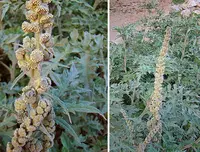
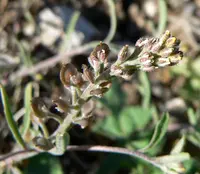
broadfruit combseed Care (Pectocarya platycarpa)

Also known as: Wide-toothed Pectocarya, Broad Combseed
broadfruit combseed

About broadfruit combseed

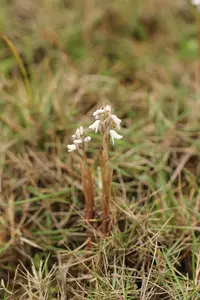
Broadfruit combseed (Pectocarya platycarpa) is a small annual wildflower in the borage family, usually found in dry, open habitats. It forms low, slender stems with narrow leaves and tiny, pale flowers that give way to distinct flat, spiny fruits.

This species is native to arid and semi-arid regions of western North America, where it often appears in sandy or gravelly soils. It grows quickly in cool seasons, then dies back as heat and drought increase.

Because it is adapted to poor, dry soils and irregular rainfall, it can be somewhat difficult to keep in regular garden conditions. Those who want to learn how to care for broadfruit combseed should focus on providing strong light, well-drained soil, and low to moderate watering.

Main Plant Requirements

Care Difficulty

Easy Care

Light Preference

Full Sun

Water Requirements

Low Water

Temperature Preference

Warm Climate

Hardiness Zone

7–10

Soil Texture

Sandy, Loamy, Rocky

Soil pH

Slightly acidic (6.5–7.0), Neutral (7.0)

Soil Drainage

Well-drained

Fertilization

Minimal (feed rarely)

Get Personalized Care Plan

Scan your plant to receive care tips personalized for your specific plant

Available on iOS and Android

How to Care for the broadfruit combseed

This annual desert wildflower prefers bright, open sites with plenty of direct light.

  • Provide 6–8 hours of full sun daily; in very hot inland areas, light afternoon shade can reduce stress on broadfruit combseed.
  • Site plants where they receive morning sun and, if possible, slightly filtered light after 2–3 p.m. during peak summer heat.
  • If stems stretch, lean, or bloom poorly, they are not getting enough sun; pale, scorched leaves indicate excessive intense afternoon exposure.

This species is adapted to dry, fast-draining conditions and is sensitive to prolonged moisture.

  • Water only when the top 3–5 cm of sandy or gravelly soil is completely dry, then soak and let excess drain away quickly.
  • Reduce watering sharply once flowering ends and seed has set; in winter-rainfall climates, natural rainfall is often sufficient for Pectocarya platycarpa.
  • Watch for yellowing, soft stems or algae on soil as signs of overwatering, and for limp, crisp foliage as an indicator that the plant has stayed dry too long.

This plant is adapted to mild, dry climates with cool winters and warm, not extreme, summers.

  • Active growth is best at 60–80°F (16–27°C), with seedlings germinating well in the cooler part of this range.
  • Mature plants tolerate brief dips to about 25°F (-4°C), but repeated hard frosts can damage foliage and reduce seed production.
  • In hot regions, plants handle up to 90–95°F (32–35°C) if soil is not waterlogged; extreme heat above this, combined with drought, shortens the life cycle.

Humidity is not a significant factor for Pectocarya platycarpa, which is adapted to dry air.

Pectocarya platycarpa prefers loose, fast-draining sandy or sandy-loam soil that mimics its dry, open habitats.

  • Use a mix of roughly 60–70% coarse sand with 30–40% low-organic native soil or gritty cactus mix to keep roots aerated.
  • Ensure rapid drainage; extra perlite or fine gravel can be added if water sits on the surface for more than a few minutes.
  • Aim for slightly acidic to neutral pH, around 6.0–7.2, avoiding strongly acidic or alkaline amendments like large amounts of peat or lime.
  • Do not use dense, peat-heavy or clayey substrates, which retain water and limit oxygen around the root zone.

This species can be grown in containers, mainly for observation or temporary cultivation.

  • Choose a relatively wide, shallow pot to match its modest root depth and allow surface spreading of seedlings.
  • Use unglazed clay pots if possible, as they allow faster evaporation and reduce the risk of prolonged wet conditions.
  • Raise the pot on feet or spacers so drainage holes stay clear and runoff water does not pool under the container when growing broadfruit combseed.

Pectocarya platycarpa is a small annual wildflower that usually completes its life cycle without supplemental fertilizer.

Pectocarya platycarpa is not a pruning-dependent species and generally needs no intentional cutting in garden or wild settings.

This plant is most often grown in the ground or appears naturally, so transplanting young seedlings is more relevant than repotting broadfruit combseed in containers.

  • Transplant only very young seedlings before they form deep or extensive roots, ideally in early spring while temperatures are mild.
  • Choose a sandy, fast-draining site similar to the original habitat to avoid transplant shock and root rot.
  • Lift seedlings with a narrow trowel, keeping a small soil plug around roots, and replant at the same depth.
  • Water lightly after transplanting, then allow soil to dry between light irrigations to help roots re-establish.

Pectocarya platycarpa is almost always propagated by seed, following its natural annual life cycle.

  • Collect seeds when fruits are fully mature and dry, then store dry and cool until sowing.
  • Sow seeds outdoors in fall or late winter so they experience natural cool, moist conditions that promote germination.
  • Use a gritty, well-drained soil mix or native sandy soil, pressing seeds lightly into the surface without deep burial.
  • Keep soil just slightly moist until seedlings emerge, then reduce watering to prevent damping-off and encourage sturdy growth.

This annual species does not require special winter care, as plants die back after setting seed and rely on the next generation.

Care Tips

Seasonal disturbance timing

Plan any soil disturbance, weeding, or site preparation for late summer to fall, after seed drop, so the self-sown seed bank that sustains future broadfruit combseed populations is not removed accidentally.

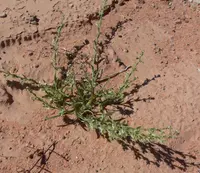
Encouraged self-seeding

If the stand is healthy, avoid raking or mulching the soil surface until late in the dry season so mature nutlets can fall, dry, and work into the top 1–2 cm of soil for natural regeneration.

Low-competition spacing

Maintain a sparse cover of neighboring annuals and control aggressive grasses within 10–15 cm of plants so the shallow root system and fine seedlings are not outcompeted early in the season.

Targeted early weeding

Hand-weed around seedlings during their first 3–4 weeks, using a narrow tool to cut competing weeds at the soil line rather than pulling them, which can dislodge the delicate taproots.

Collection-friendly layout

If collecting seed, grow plants in short, labeled rows or patches and place narrow mesh fabric or a shallow tray beneath the plants near maturity to catch falling nutlets without having to uproot the plants.

Common Pests and Diseases

Powdery mildew

This disease causes a white, powdery film on leaves and young stems, especially in dense stands after late-season moisture. Symptoms include reduced vigor and premature leaf yellowing or distortion.

Solution

Remove heavily infected plants to reduce spore load, avoid overhead irrigation, and thin dense patches to improve air movement. In small plantings, a sulfur or potassium bicarbonate fungicide labeled for powdery mildew can be used preventively when conditions turn warm and dry after rainfall.

Rust fungi

This disease produces small orange to brown pustules on the undersides of leaves, with pale or yellow spots on the upper surface. Symptoms include early leaf drop and reduced seed production in stressed plants.

Solution

Collect and dispose of infected plant debris to limit overwintering spores, and avoid prolonged leaf wetness from overhead watering. In conservation or research plantings, a targeted foliar fungicide labeled for rust on herbaceous species may be applied at the first sign of pustules if disease pressure is high.

Aphids

These insects cluster on tender stems and flower stalks, sucking sap and excreting sticky honeydew. This pest can cause leaf curling, stunted growth, and may attract sooty mold on the honeydew.

Solution

Dislodge colonies with a firm stream of water and encourage natural predators such as lady beetles by avoiding broad-spectrum insecticides. For small cultivated groups, apply insecticidal soap or a light horticultural oil thoroughly to stems and leaf undersides, repeating as needed according to label directions as part of Pectocarya platycarpa care.

Leaf-chewing caterpillars

These insects feed on foliage, creating irregular holes or skeletonized leaves, and can occasionally defoliate small plants in dry, open sites. Symptoms include ragged leaf margins and dropped flower stalks.

Solution

Hand-pick caterpillars in small plantings and remove heavily damaged plants if they are not needed for seed. Where damage is significant, a biological insecticide containing Bacillus thuringiensis (Bt) can be applied to foliage in the evening, targeting young larvae while minimizing impact on beneficial insects.

Interesting Facts

Desert winter annual

This species is a small winter annual that germinates during cooler, wetter months in deserts and arid scrub of the southwestern United States and northwestern Mexico, completing its life cycle quickly before summer heat and drought return.

Four-winged nutlets

Its fruits are distinctive flattened nutlets with four broad, comb-like wings around the margin, which is the feature that gives the species its common name broadfruit combseed.

Specialized desert habitat

The plant typically grows in sandy or gravelly soils on open desert flats, washes, and disturbed ground, often as part of sparse spring annual communities adapted to low and unpredictable rainfall.

FAQs about broadfruit combseed

This species behaves as a small annual wildflower. It completes its life cycle in a single growing season, then dies after setting seed. Fresh seedlings typically appear the following season if conditions remain suitable.

Grow Healthy Plants with Botan Care

Keep your plants happy and healthy with plant identification, disease detection, and easy care guidance.

Botan plant care app — identify plants on mobile

Explore More Plants