Greater celandine Care (Chelidonium majus)

Also known as: celandine, Swallow-wort
Greater celandine

About Greater celandine

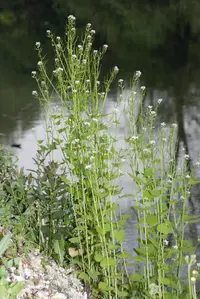
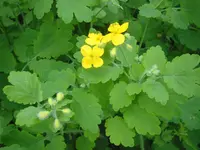
Greater celandine (Chelidonium majus) is a herbaceous perennial from the poppy family, best known for its bright yellow sap and small yellow flowers. It typically forms loose clumps with branching stems and soft, lobed leaves, reaching a modest height in garden settings.

The species is native to Europe and western Asia but has naturalized widely in North America, often appearing along walls, woodland edges, and disturbed ground. It self-seeds readily, which can make it somewhat weedy in mild climates.

Chelidonium majus grows best in partial shade with moist, well-drained soil, though it tolerates a range of conditions. Its toughness makes it easy to establish, but controlled spread is important when you care for Greater celandine.

Main Plant Requirements

Care Difficulty

Easy Care

Light Preference

Partial Shade

Water Requirements

Moderate Water

Temperature Preference

Cold Hardy

Hardiness Zone

4–8

Soil Texture

Loamy, Silty, Organic-rich

Soil pH

Acidic (5.5–6.5), Slightly acidic (6.5–7.0)

Soil Drainage

Moist but well-drained

Fertilization

Minimal (feed rarely)

Get Personalized Care Plan

Scan your plant to receive care tips personalized for your specific plant

Available on iOS and Android

How to Care for the Greater celandine

This herbaceous perennial prefers moderate light with some protection from intense midday sun.

  • Provide 3–5 hours of morning sun with light or dappled shade in the afternoon for best growth of Greater celandine.
  • Site the plant in partial shade; it tolerates brighter spots in cool climates but may scorch in full, exposed afternoon sun, especially in summer.
  • In hot summers, increase shade during the brightest months, while in early spring and late fall it benefits from more open exposure to capture weaker sunlight.

This species prefers evenly moist but not waterlogged soil throughout the growing season.

  • Water when the top 3–5 cm of soil feel dry, aiming for soil that stays slightly moist, especially during active spring and early summer growth.
  • Use well-drained, loamy soil; persistent puddling, sour smell, or yellowing, limp leaves indicate overwatering or poor drainage affecting Chelidonium majus.
  • In hot, dry weather, expect to water more often, while in cool or rainy periods reduce watering; drooping, dry, or crisping leaves signal that the plant is staying too dry.

This hardy perennial tolerates a wide temperature range but grows best in cool to mild conditions.

  • Optimal growth occurs around 55–70°F (13–21°C), with strongest leafy growth in cool spring and early summer conditions.
  • Plants survive down to about 5–10°F (-15 to -12°C) once established, dying back above ground in winter and resprouting from the root in spring.
  • Heat tolerance is moderate; growth slows above 80–85°F (27–29°C), so provide extra water and partial shade during hot spells to limit stress and wilting.

This species grows well in typical outdoor humidity and rarely needs special humidity management.

Chelidonium majus prefers moist, loose soil that drains freely but does not dry out too quickly.

  • Use a loamy mix with plenty of organic matter such as compost or well-rotted leaf mold to keep moisture even.
  • Aim for slightly acidic to neutral pH, roughly 6.0–7.0, which supports nutrient availability and healthy root function.
  • Improve drainage and aeration by loosening heavy clay with coarse sand or fine gravel mixed throughout the top 20–25 cm.
  • Avoid compacted, waterlogged, or very sandy soil that swings quickly between drought and saturation, which can stress roots.

This species can be grown in containers if the pot supports its spreading root system and moisture needs.

  • Choose a container at least 25–30 cm deep to allow the taproot to develop without curling tightly at the base.
  • Select a heavier material such as ceramic or thick plastic to reduce tipping as stems elongate and the plant leans toward light.
  • Water thoroughly until excess drains, then empty saucers within 10–15 minutes so the mix stays moist but never stagnant at the bottom.

Chelidonium majus is a low-nutrient woodland and roadside species that needs only light feeding in cultivation.

  • Use a balanced, diluted liquid fertilizer (around 10-10-10 at 1/4–1/2 strength) for potted plants in poor soil.
  • Feed every 4–6 weeks during active growth in spring and early summer if leaves look pale or growth is weak.
  • Apply a thin layer of compost around outdoor clumps once in spring instead of frequent synthetic feeding.
  • Stop fertilizing in late summer and do not feed in winter dormancy to avoid soft, weak growth.

Pruning Chelidonium majus is mainly for tidiness, safety, and seed control rather than shaping.

  • Cut back spent flowering stems in late spring or early summer to reduce self-seeding and keep clumps neat.
  • Remove dead, damaged, or yellowing leaves at the base with clean hand pruners or scissors to limit disease spread.
  • Thin crowded stems lightly so air moves through the plant, which reduces fungal problems in damp climates.
  • Wear gloves and avoid sap contact with skin when pruning, as the orange latex can be irritating.

This species is usually grown in the ground, so focus on careful transplanting rather than frequent repotting.

  • Transplant Greater celandine in early spring or early fall when temperatures are mild and soil is moist.
  • Move plants only when needed, such as overcrowding or unwanted self-seeded clumps in paths or beds.
  • Lift with a hand fork or spade, keeping as much root and surrounding soil intact as possible to reduce stress.
  • Water thoroughly after transplanting and shade for a few days in hot weather until growth resumes and wilting stops.

Chelidonium majus spreads mainly by seed, so propagation focuses on managing and directing this natural reseeding.

  • Collect ripe seed pods in late spring or early summer before they shatter and disperse widely.
  • Sow fresh seeds on the soil surface or barely covered in trays or prepared beds; cool conditions aid germination.
  • Keep the substrate evenly moist and in light shade until seedlings appear, usually after a natural cold period.
  • Transplant young seedlings while small, handling by the leaves and keeping root disturbance minimal.

Chelidonium majus is frost hardy in most temperate climates and usually needs no special winter care outdoors.

  • Allow top growth to die back naturally after hard frosts; new shoots emerge from the crown in spring.
  • In very cold or exposed sites, add a 2–5 cm mulch of leaves or compost around the root zone for extra insulation.
  • Overwinter container plants in a sheltered, unheated spot with good drainage so the soil does not stay waterlogged.

Care Tips

Managed self-seeding

Mark a few healthy clumps and let only those set seed, removing spent flowers from the rest so you control spread while still renewing the population from vigorous plants.

Protective handling routine

Always wear gloves and long sleeves when cutting or pulling plants, and rinse tools and skin afterward, as the orange sap can irritate skin and stain surfaces.

Targeted clump thinning

Every 1–2 years, thin dense patches by removing the weakest plants to improve airflow, reduce foliar diseases, and keep stronger individuals with better flowering.

Sap-safe tool care

Wipe pruners and knives with a cloth and dilute rubbing alcohol after contact with cut stems to prevent sticky sap buildup and reduce the chance of spreading pathogens between plants.

Boundary and containment

Use shallow edging, paths, or mulched strips to define where the colony is allowed, and promptly pull or hoe out any seedlings that appear beyond that boundary when caring for Greater celandine.

Common Pests and Diseases

Downy mildew

This disease affects leaves in cool, moist conditions and causes yellow patches on the upper surface with grayish or purplish fuzzy growth underneath. Symptoms include distorted foliage and premature leaf drop in dense or shaded stands.

Solution

Remove and discard heavily infected leaves to reduce spore spread and avoid overhead watering, especially late in the day. Improve spacing and airflow around plants, water at soil level, and if needed apply a copper- or phosphonate-based fungicide labeled for downy mildew, following local regulations and label instructions.

Powdery mildew

This disease shows up as white, powdery patches on leaves and stems, often in dry conditions with poor air circulation. Symptoms include reduced vigor and early yellowing or browning of foliage.

Solution

Cut off and dispose of affected leaves to lower the fungal load, and thin dense patches to improve light and airflow. Avoid excess nitrogen fertilization, water at soil level, and if necessary use a sulfur or potassium bicarbonate product approved for powdery mildew and follow label directions carefully.

Rust

This disease produces small orange, yellow, or brown pustules on the undersides of leaves, with yellow spots above. Symptoms include leaf distortion and early defoliation when infections are heavy.

Solution

Remove and destroy infected leaves as soon as pustules are noticed and keep the area free of plant debris. Increase spacing, avoid wetting foliage, and where rust is persistent consider using a labeled rust fungicide in rotation to slow resistance development as part of broader Chelidonium majus care.

Leaf-mining flies

These insects create pale, winding tunnels inside leaves as larvae feed between the leaf surfaces. Symptoms include blotchy or serpentine mines that can weaken foliage but rarely kill the plant.

Solution

Pinch off and dispose of mined leaves to physically remove larvae and break the life cycle. Encourage or introduce beneficial insects where possible, use yellow sticky traps to monitor adult activity, and in severe cases apply a systemic insecticide labeled for leaf miners, following all safety and environmental guidelines.

Aphids

These insects cluster on young stems and leaf undersides, sucking sap and excreting sticky honeydew that can lead to sooty mold. Symptoms include curled or distorted new growth and reduced vigor, especially in dense plantings or sheltered spots.

Solution

Spray plants with a firm jet of water to dislodge aphids, and remove heavily infested shoots if practical. For continuing problems, apply insecticidal soap or horticultural oil thoroughly to leaf undersides and repeat as needed, avoiding applications in high heat or direct midday sun.

Interesting Facts

Bright orange latex

When the stems or leaves are broken, the plant releases a sticky orange or yellow latex sap that contains benzophenanthridine alkaloids, which serve as a chemical defense against herbivores and microbes.

Shade woodland specialist

This species is adapted to cool, nutrient-rich, partially shaded habitats such as forest edges, hedgerows, and old gardens, where it takes advantage of disturbed soil and spring light before tree canopies fully leaf out.

Papaveraceae family link

Greater celandine belongs to the poppy family Papaveraceae and shares several traits with poppies, including production of latex, presence of similar isoquinoline alkaloids, and a preference for temperate climates.

Botan icon

Did you know?

In several regions outside its native Eurasian range, Greater celandine is classified as a naturalized or invasive species, forming dense patches that can outcompete some native understory plants in disturbed woodland and urban habitats.

FAQs about Greater celandine

This species self-seeds readily and can spread aggressively in open soil, especially in disturbed or semi-shaded areas. Regular deadheading, removing seed pods, and pulling unwanted seedlings help prevent it from dominating beds or natural areas.

Grow Healthy Plants with Botan Care

Keep your plants happy and healthy with plant identification, disease detection, and easy care guidance.

Botan plant care app — identify plants on mobile

Explore More Plants