Tree spinach Care (Chenopodium giganteum)

Tree spinach

About Tree spinach

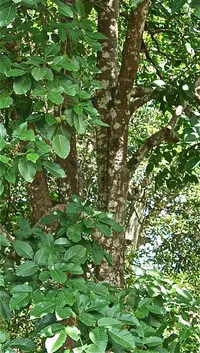
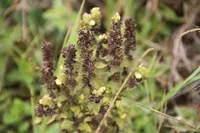
Tree spinach, Chenopodium giganteum, is a fast-growing annual leafy plant related to common spinach and quinoa. It is mainly grown as a vegetable and ornamental.

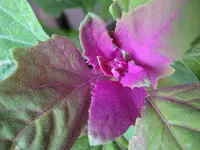
The plant forms tall, upright stems with triangular leaves, often flushed with striking pink or magenta on young growth. It self-seeds easily and can naturalize in suitable climates.

Chenopodium giganteum originates from the Indian subcontinent but is now cultivated in many temperate gardens. It tends to be easy to grow where summers are mild to warm and soil is reasonably fertile and well drained.

Gardeners who care for Tree spinach usually value its quick growth, edible young leaves, and tolerance of varied soil conditions, as long as it receives adequate light and moisture.

Main Plant Requirements

Care Difficulty

Easy Care

Light Preference

Full Sun

Water Requirements

Moderate Water

Temperature Preference

Cool Climate

Hardiness Zone

3–9

Soil Texture

Sandy, Loamy, Organic-rich

Soil pH

Slightly acidic (6.5–7.0), Neutral (7.0)

Soil Drainage

Well-drained

Fertilization

Minimal (feed rarely)

Get Personalized Care Plan

Scan your plant to receive care tips personalized for your specific plant

Available on iOS and Android

How to Care for the Tree spinach

This fast-growing annual prefers bright, open conditions for sturdy growth and strong leaf color.

  • Provide 6–8 hours of direct sun daily; morning sun with light afternoon shade helps prevent leaf scorch in hot climates.
  • Plant Tree spinach in a position that avoids harsh, reflected afternoon heat, especially near walls or paving in USDA zones 8–10.
  • In cooler regions, choose full sun all day; in very hot summers, slight dappled shade after 2–3 p.m. reduces stress and wilting.

This species prefers consistent, moderate soil moisture without remaining saturated.

  • Water when the top 3–5 cm of soil feels dry, applying enough to moisten the root zone but not leave standing water.
  • Use well-drained soil or amended garden beds; poor drainage and constantly wet soil cause root rot, yellowing leaves, and weak stems in Chenopodium giganteum.
  • In hot, dry weather, expect faster drying and more frequent deep watering; in cool or rainy periods, reduce watering if foliage droops yet soil is still moist.

This annual leafy plant grows best in mild to warm outdoor conditions.

  • Aim for active growth in 60–80°F (16–27°C); germination and early development are strongest within this range.
  • Protect plants from frost, as growth stops near 34°F (1°C) and hard freezes below 28°F (-2°C) kill foliage and often the whole plant.
  • In hot spells above 90°F (32°C), provide extra water and light afternoon shade to limit stress, bolting, and leaf scorch during midsummer.

This species tolerates a wide humidity range and rarely needs special humidity management outdoors or in typical homes.

This fast-growing annual prefers loose, moderately fertile soil that holds moisture yet drains freely.

  • Use a loamy or sandy-loam texture with 20–30% organic matter from compost or well-rotted manure to support rapid growth.
  • Aim for slightly acidic to neutral pH around 6.0–7.0, avoiding highly acidic or strongly alkaline conditions that limit nutrient uptake.
  • Improve drainage and aeration by incorporating coarse sand or perlite, especially in heavy or compacted garden soil.
  • Avoid waterlogged, clay-heavy, or crusted surfaces; raised rows or beds help keep Chenopodium giganteum roots oxygenated.

This species can grow in large containers if the pot is prepared to handle its height and biomass.

  • Choose a deep, heavy container at least 30–40 cm wide to provide root volume and reduce tipping in windy conditions.
  • Use a free-draining mix, such as vegetable potting soil blended with 20–30% perlite, so water moves quickly through the root zone.
  • Position containers where runoff can drain away freely, preventing saucers or trays from holding standing water that could destabilize the root system.

Chenopodium giganteum grows well in average soil and only needs light feeding to support leafy growth.

  • In garden beds, mix in moderate compost before planting instead of relying on frequent liquid feedings.
  • During the main growing season, apply a balanced NPK fertilizer at half strength every 4–6 weeks if growth looks weak or leaves pale.
  • Avoid high-nitrogen products that can cause soft, floppy stems in Tree spinach, especially in rich soils.
  • Stop feeding in late summer so plants can complete their life cycle naturally without producing overly lush, frost-tender growth.

Chenopodium giganteum benefits from light, targeted pruning to manage height and promote bushier growth.

  • In late spring to midsummer, pinch or cut back soft shoot tips to encourage branching and denser foliage.
  • Remove dead, damaged, or diseased stems whenever noticed, using clean, sharp hand pruners or scissors.
  • Thin out overcrowded shoots to improve airflow, which reduces fungal problems and keeps plants upright.
  • Cut back overly tall stems by 1/3 to control legginess and prevent lodging, while still allowing flowering and seed set.

This fast-growing annual is usually direct-sown but can be transplanted carefully when young.

  • Transplant seedlings outdoors in spring after frost when they have 2–4 true leaves, before roots become pot-bound or start circling.
  • Space plants 30–45 cm apart in loose, well-drained soil to reduce competition and support tall, stable growth.
  • Water seedlings deeply before and after moving to reduce root stress, keeping soil evenly moist for 7–10 days.
  • Container-grown plants can stay in the same pot for one season; repot only if roots fill the container and growth stalls.

Chenopodium giganteum is most commonly propagated by seed, which germinates reliably in suitable conditions.

  • Sow seeds in early to mid spring, either indoors 4–6 weeks before the last frost or directly outdoors once soil warms.
  • Use a light, well-drained seed mix, barely cover seeds, and keep at 60–70°F with consistent moisture until germination.
  • Provide bright light after emergence to prevent leggy seedlings and transplant once they have several true leaves.
  • Allow some plants to flower and set seed; self-sown seedlings often appear the following spring and can be thinned or moved.

This species behaves as a frost-tender to half-hardy annual, so long-term winter care is usually unnecessary.

  • Light frosts may damage foliage; hard freezes typically kill plants, ending their cycle for the year.
  • In colder regions, focus on allowing plants to set and drop seed in late summer to early fall for natural reseeding.
  • Container plants in mild climates can be moved to a cool, bright, frost-free spot to extend harvest slightly.

Care Tips

Sequential sowing

Sow small batches every 2–3 weeks in spring and early summer so plants mature at different times, giving a steady harvest of young, tender leaves rather than a single glut.

Timed harvest height

Start harvesting when plants reach 30–45 cm by pinching out the soft tips, which encourages bushier growth and delays flowering so leaf production continues longer.

Wind and support

In open or windy sites, insert slender stakes and loosely tie taller stems once they reach 80–100 cm to reduce wind rock and prevent roots from loosening in the soil.

Volunteer management

Allow a limited number of self-sown seedlings to grow in convenient spots and remove extras early, using a hoe on dry days so unwanted volunteers dry out on the surface instead of re-rooting.

Heat‑season adjustment

During hot, dry spells, use a light mulch around the base and harvest more frequently, since this reduces stress, keeps the root zone cooler, and improves leaf quality when growing Tree spinach.

Common Pests and Diseases

Leaf miners

This pest burrows inside the leaves, creating pale winding tunnels that can distort or weaken foliage on young plants.

Solution

Remove and destroy affected leaves to reduce larvae numbers, and protect new growth with fine insect netting. On small plantings, regularly inspect the undersides of leaves and crush any visible eggs or tiny larvae by hand to keep damage low when growing Tree spinach.

Aphids

These insects cluster on tender shoots and leaf undersides, sucking sap and causing curling, sticky honeydew, and potential stunting of new growth.

Solution

Spray affected stems and leaves with a strong stream of water to dislodge colonies, then treat remaining clusters with insecticidal soap or a dilute neem oil solution, ensuring full coverage of leaf undersides. Encourage or introduce natural predators such as ladybird beetles by avoiding broad-spectrum insecticides nearby.

Downy mildew

This disease causes yellow to pale patches on upper leaf surfaces, often with a grayish or purplish downy growth on the undersides in humid conditions.

Solution

Improve airflow by thinning crowded plants and avoid overhead watering, especially late in the day. Remove and dispose of heavily infected leaves, and rotate planting sites yearly to reduce carryover of the pathogen in the garden.

Powdery mildew

This disease appears as white, powdery patches on leaves and stems, which can lead to leaf distortion and premature leaf drop under prolonged stress.

Solution

Increase spacing between plants, water at soil level, and avoid excessive nitrogen fertilization that promotes very soft growth. Remove the most affected leaves and, if needed, apply a sulfur or potassium bicarbonate-based fungicide labeled for edible greens, following label directions carefully.

Flea beetles

These insects chew many small round holes in leaves, giving foliage a shot-hole or sieve-like appearance, especially on young seedlings.

Solution

Protect young plants with floating row covers or fine mesh until they are well established, and keep the area free of plant debris where adults may shelter. Mulching the soil surface and using yellow sticky traps can also help reduce beetle activity and limit repeated damage to new leaves.

Interesting Facts

Magenta leaf coating

Young leaves and shoot tips are covered with a distinctive, powdery magenta bloom made of tiny bladder-like hairs that scatter light and help reduce water loss and sun stress.

Tall annual pioneer

This species is a fast-growing annual that can exceed 2–3 m in a single season and often behaves as a pioneer plant, quickly colonizing disturbed, nutrient-rich soils in gardens and farm edges.

Traditional leafy vegetable

In parts of the Himalayas and northern India, the tender leaves and shoots are traditionally eaten cooked as a seasonal green, and it has long been grown as a minor leafy crop closely related to cultivated spinach and quinoa.

Botan icon

Did you know?

The species has produced naturally occurring white- and gold-tinged forms in cultivation, and these colorful variants have been selected as ornamental vegetables for their striking contrast in cottage gardens and mixed borders.

FAQs about Tree spinach

Yes, the young leaves and tender shoots are edible and often used like spinach, cooked or lightly wilted. Older leaves contain more oxalic acid, so they are best eaten in moderation and preferably cooked.

Grow Healthy Plants with Botan Care

Keep your plants happy and healthy with plant identification, disease detection, and easy care guidance.


Botan plant care app — identify plants on mobile

Explore More Plants