lemon verbena Care (Aloysia citrodora)

lemon verbena

About lemon verbena

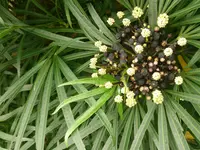
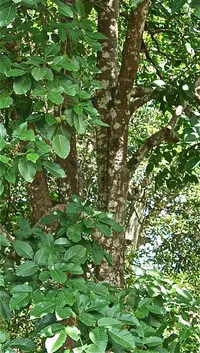
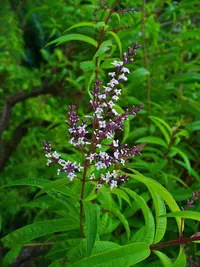
Lemon verbena, Aloysia citrodora, is a woody perennial shrub grown mainly for its strong lemon-scented leaves. It typically reaches a medium height with an upright, open growth habit and narrow, light green leaves.

This plant is native to South America, especially Argentina and Chile, but is now common in herb gardens in warm and mild climates. It is deciduous in cooler regions and may lose leaves in winter.

Gardeners find it moderately easy to grow because it enjoys full sun, dislikes waterlogged roots, and prefers well-drained soil. Understanding how to care for lemon verbena focuses on giving it enough light, warmth, and protection from frost.

Main Plant Requirements

Care Difficulty

Moderate Care

Light Preference

Full Sun

Water Requirements

Moderate Water

Temperature Preference

Tropical / Frost Sensitive

Hardiness Zone

8–10

Soil Texture

Sandy, Loamy, Organic-rich

Soil pH

Acidic (5.5–6.5), Slightly acidic (6.5–7.0)

Soil Drainage

Well-drained

Fertilization

Light (every 4–6 weeks)

Get Personalized Care Plan

Scan your plant to receive care tips personalized for your specific plant

Available on iOS and Android

How to Care for the lemon verbena

This sun-loving shrub needs strong light to develop fragrant leaves and compact growth.

  • Provide 6–8 hours of direct sun daily; morning sun with light afternoon shade suits most climates, especially hot summers.
  • In cooler regions, full sun all day supports dense foliage and stronger flavor in lemon verbena, but watch for leaf scorch above 95°F (35°C).
  • In partial shade (3–4 hours), expect looser growth; move plants gradually into brighter spots in spring to avoid sunburn.

This plant prefers evenly moist but never saturated soil, with brief drying between waterings.

  • Outdoors in the ground, water when the top 3–5 cm of soil feel dry, applying a deep soak rather than frequent light splashes.
  • In hot, dry weather, check Aloysia citrodora every 1–2 days; in cool seasons, intervals often stretch to 4–7 days depending on soil and rain.
  • Yellowing, soft leaves and a sour smell indicate overwatering, while drooping, crisp leaves and very light soil point to underwatering or drought stress.

This warm-temperate shrub grows best in mild, frost-free conditions.

  • Ideal growth occurs at 65–80°F (18–27°C), with steady warmth promoting new shoots and stronger lemon scent in the foliage.
  • The plant is damaged around 32°F (0°C) and may die back below 25°F (−4°C); in cold regions, protect roots with mulch and shelter from freezing winds.
  • It tolerates short heat spikes up to about 95°F (35°C) if soil moisture is maintained, but prolonged heat plus drought leads to leaf drop and stunting.

This species prefers moderately dry air but tolerates a broad indoor humidity range.

  • Aim for 40–60% humidity; avoid persistently damp, stagnant air around the foliage.
  • Dry air is usually tolerated, but very low humidity with heat can cause leaf edge browning and tip scorch.
  • Increase humidity only in very arid homes by grouping plants or placing a water tray nearby, not by frequent misting of lemon verbena.

This plant needs a light, sharply drained substrate that prevents waterlogging around the roots.

  • Use a sandy or loamy mix, such as 2 parts all-purpose potting mix, 1 part coarse sand, and 1 part perlite for Aloysia citrodora.
  • Keep drainage fast; water should pass through within seconds and not leave the pot feeling heavy for long.
  • Target a slightly acidic to neutral pH around 6.0–7.0, which supports nutrient uptake without stressing roots.
  • Avoid dense, clay-heavy, or peat-only substrates that stay wet, as these promote root rot and weak, leggy growth.

This species is well suited to container growing when the pot supports its vigorous, woody root system.

  • Choose a deep, heavy pot to counterbalance the tall, shrubby top growth and reduce tipping in wind.
  • Select unglazed clay if extra evaporation is needed, as it allows excess moisture to leave the root zone faster.
  • Ensure multiple large drainage holes so surplus water exits quickly, preventing soggy pockets at the pot base.

This aromatic shrub benefits from light, consistent feeding during active growth but reacts poorly to heavy fertilization.

  • Use a balanced liquid fertilizer (for example 10-10-10) at 1/2 strength every 4–6 weeks in spring and summer when caring for lemon verbena.
  • Alternatively, top-dress with a thin layer of mature compost once in spring for a gentler nutrient supply.
  • Pause feeding in late fall and winter when growth slows or stops, especially for indoor or container plants.
  • Always water lightly before applying fertilizer to reduce root burn risk.

Thoughtful pruning keeps Aloysia citrodora compact, leafy, and productive for harvesting.

  • Carry out main pruning in late winter or very early spring before vigorous new growth starts.
  • Remove dead, damaged, or crossing stems first, then thin crowded interior shoots to improve light and airflow.
  • Shorten overly long stems by up to 1/3 to encourage bushier growth and more fresh leaves.
  • Use clean, sharp hand pruners and make cuts just above a leaf node to guide new branching.

Container-grown lemon verbena benefits from periodic repotting to support vigorous root and shoot growth.

  • Check for roots circling the pot, pushing through drainage holes, or unexplained slow growth as signals to repot.
  • Plan repotting or transplanting for mid to late spring once frost risk has passed and new growth begins.
  • Move into a pot only 1–2 in wider, using a free-draining mix, and gently loosen circling roots without tearing them heavily.
  • Water thoroughly after potting, keep in bright but not harsh sun for 3–5 days, and then return to full light once foliage looks firm.

New plants are most commonly raised from softwood or semi-ripe cuttings taken during the warm season.

  • Take 8–10 cm non-flowering tip cuttings of Aloysia citrodora in late spring or summer from healthy shoots.
  • Remove lower leaves, optionally dip the base in rooting hormone, and insert into a moist, very well-drained mix.
  • Maintain bright, indirect light, high humidity, and temperatures around 68–75°F until roots form.
  • Seeds are possible but slow; use fresh seed, provide warmth, and expect variable germination.

This shrub is frost-tender and needs protection in cooler climates, particularly when grown in containers.

  • In regions colder than USDA zone 8, grow in pots so plants can be moved indoors before frost.
  • Position indoor plants in the brightest possible window and water sparingly while growth is dormant or sparse.
  • For in-ground plants in mild climates, apply a 5–8 cm mulch layer around the root zone, keeping it off the stems.

Care Tips

Frequent Leaf Harvest

Pinch or cut young leafy tips every 2–3 weeks in the growing season to keep plants compact, delay woody growth, and stimulate a steady flush of aromatic new foliage for tea and culinary use.

Overwintering Strategy

In cold climates, shift container plants to a bright, cool, frost-free spot and reduce watering sharply as leaves drop, treating the plant as seasonally deciduous rather than assuming it has died.

Root Zone Warmth

For container plants outdoors, place pots on paving or gravel rather than bare soil so the root zone stays slightly warmer and better drained, which supports faster spring regrowth.

Renewal Pruning Cycle

Every 2–3 years, remove 1–3 of the oldest, thickest stems right down to the base in late winter to renew the framework and maintain vigorous, leafy growth rather than a tangle of bare wood.

Targeted Pest Monitoring

Check shoot tips and leaf undersides weekly in warm weather for aphids and whiteflies, and hose them off or spot-treat early, as light, aromatic foliage can be damaged quickly once sap-feeding pests gain a foothold when growing lemon verbena.

Common Pests and Diseases

Whiteflies

This pest feeds on the undersides of leaves, causing yellowing, leaf drop, and sticky honeydew that can lead to sooty mold. Infestations are more common in warm, sheltered spots, especially in greenhouses or conservatories.

Solution

Reduce numbers by regularly shaking or tapping stems so adults fly up, then vacuum or trap them with yellow sticky cards; repeat weekly. For heavier infestations, wash leaf undersides with a mild insecticidal soap or horticultural oil, ensuring good coverage and improving airflow around the plant as part of general Aloysia citrodora plant care.

Spider mites

These insects cause fine speckling, pale leaves, and delicate webbing, especially in hot, dry conditions. Symptoms include slowed growth and leaf drop if left unmanaged.

Solution

Increase humidity around the plant and regularly hose or shower foliage, paying attention to leaf undersides to physically remove mites. In persistent cases, apply a miticide or insecticidal soap labeled for spider mites and repeat at 5–7 day intervals until new growth appears clean.

Leafhoppers

These insects suck sap from tender leaves, leaving pale spots, curling, and sometimes a slight distortion of new growth. Activity is highest in warm, dry weather and can stress plants kept in exposed, sunny positions.

Solution

Inspect plants frequently and remove heavily infested shoots, then hose down foliage to dislodge remaining insects. If needed, use a pyrethrin-based spray or insecticidal soap in the evening, repeating as directed, and avoid overhead watering late in the day to limit plant stress.

Powdery mildew

This disease produces white, powdery patches on leaves and young stems, often appearing during warm days and cool nights. Symptoms include distorted new growth, leaf yellowing, and premature leaf drop.

Solution

Prune to improve airflow, remove and discard infected leaves, and avoid overhead watering to keep foliage dry. Apply a sulfur-based fungicide or a potassium bicarbonate product at the first signs of infection, repeating as directed and ensuring the plant has enough sun and space.

Interesting Facts

Distinct lemon aroma

The leaves contain high amounts of citral and limonene, aromatic compounds that give a strong lemon scent that is usually more intense and pure than that of most other lemon-scented herbs.

Evening-scented foliage

The fragrance of the leaves often becomes stronger in the evening and after light bruising, when volatile oils evaporate more readily from the leaf surface.

South American origins

This shrub is native to western South America, particularly regions of Argentina, Chile, and Peru, and was introduced to Europe in the 18th century, where it quickly became popular in gardens and perfumery.

Botan icon

Did you know?

In traditional herbal taxonomy and modern research, this species is notable for producing essential oil with a relatively high and stable citral content, which makes it a reference plant for lemon-scented oil profiles and a valued crop in small-scale perfumery and flavor industries.

FAQs about lemon verbena

Brown leaves usually result from underwatering, low humidity, hot dry wind, or fertilizer burn. Check soil moisture, protect from harsh wind, and flush excess fertilizer with plain water to prevent further leaf scorch and drop.

Grow Healthy Plants with Botan Care

Keep your plants happy and healthy with plant identification, disease detection, and easy care guidance.

Botan plant care app — identify plants on mobile

Explore More Plants