Rose Care (Rosa 'Julia Child')

Rose

About Rose

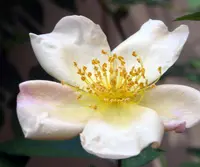
Rosa 'Julia Child' is a compact floribunda rose known for its buttery yellow, fully double blooms and strong, sweet fragrance. It forms a rounded shrub with dense, glossy foliage. Selected for garden performance rather than wild origin, it is widely grown in landscapes and containers in temperate regions. Flowers appear in repeating flushes through the warm season. This cultivar is valued for its good disease resistance, which makes it more forgiving for beginners learning how to care for Rose. It prefers a sunny site with well-drained, fertile soil and steady, moderate moisture.

Main Plant Requirements

Care Difficulty

Moderate Care

Light Preference

Full Sun

Water Requirements

Regular Water

Temperature Preference

Cold Hardy

Hardiness Zone

5–9

Soil Texture

Loamy, Sandy, Organic-rich

Soil pH

Acidic (5.5–6.5), Slightly acidic (6.5–7.0)

Soil Drainage

Moist but well-drained

Fertilization

Moderate (every 2–4 weeks)

Get Personalized Care Plan

Scan your plant to receive care tips personalized for your specific plant

Available on iOS and Android

How to Care for the Rose

This floribunda rose performs best with strong, direct light in most climates.

  • Provide 6–8 hours of direct sun daily, with at least 4 hours of gentle morning sun for strongest flowering and compact growth.
  • Allow light afternoon shade in hot-summer areas to reduce leaf scorch, fading blooms, and heat stress on Rose foliage.
  • In autumn and early spring, maximize exposure by avoiding shade from buildings or trees, since low-angle sun already reduces light intensity.

This rose prefers deep, infrequent watering that keeps the root zone moist but never saturated.

  • Water when the top 3–5 cm of soil feels dry, soaking the soil to 20–30 cm depth, then allow it to drain fully through well-structured ground or raised beds.
  • In hot, dry weather, inspect soil 2–3 times weekly; increase volume rather than frequency so Rosa 'Julia Child' roots grow deep and stay cooler.
  • Watch for yellowing soft leaves and constantly wet soil as overwatering signs, or crisp leaf edges and drooping canes as indicators of underwatering.

This rose grows best in moderate temperatures with some tolerance for both heat and cold when established.

  • Active growth and flowering are strongest around 65–80°F (18–27°C), with consistent soil moisture and mulch helping to stabilize root temperature.
  • Dormant, established plants typically survive down to about -10°F (-23°C) with proper winter protection such as mulching over the root zone.
  • During heat spikes above 95°F (35°C), provide extra mulch, deep irrigation, and, if possible, light afternoon shade to limit flower scorching and stress.

This rose tolerates 30–60% humidity and usually does not need special moisture control outdoors.

  • Handles typical household or outdoor air without extra misting, but sustained indoor humidity below 30% can cause crispy leaf edges.
  • Watch for leaf edge browning and stalled bud development as possible signs of humidity stress combined with underwatering.
  • Increase humidity mildly by grouping plants nearby or placing a water tray close, but keep foliage dry to limit fungal issues.

This rose performs best in deep, loose, well‑drained loam with steady moisture and ample organic matter.

  • Use a mix of roughly 50% garden loam, 30–40% compost, and 10–20% perlite or coarse sand to keep structure open yet moisture retentive.
  • Aim for slightly acidic to neutral pH around 6.0–7.0, where Rosa 'Julia Child' roots absorb nutrients efficiently.
  • Incorporate composted manure or leaf mold to improve fertility and soil biology while maintaining a friable, crumbly texture.
  • Avoid compacted clay, constantly waterlogged sites, or very sandy soil without amendments, as these lead to root stress and nutrient imbalance.

This compact rose is suitable for container growing outdoors when given a stable, well‑drained setup.

  • Choose a heavy clay or ceramic pot to reduce tipping in wind and moderate moisture swings around the root zone.
  • Select a container at least 35–40 cm deep to allow a broad fibrous root system and support repeated flowering flushes.
  • Elevate the pot on feet or spacers so drainage holes stay clear and runoff does not reabsorb into the root zone.

Consistent feeding supports strong flowering and healthy foliage in Rosa 'Julia Child'.

  • Use a balanced slow-release granular rose fertilizer or compost-based product at the start of spring growth.
  • Feed every 4–6 weeks through the growing season, stopping 6–8 weeks before expected hard frost.
  • Apply at label rates; for liquids, dilute to 1/2 strength to avoid salt burn of roots.
  • Water thoroughly before and after feeding to help nutrients move into the root zone.

Thoughtful pruning keeps Rosa 'Julia Child' compact, well-shaped, and blooming strongly.

  • Carry out main pruning in late winter to very early spring before new growth extends.
  • Remove dead, diseased, crossing, or very weak stems back to healthy wood to improve airflow.
  • Shorten remaining canes by about 1/3 to shape the shrub and encourage vigorous flowering shoots.
  • Use clean, sharp bypass pruners, cutting just above outward-facing buds at a slight angle.

This rose is more often planted in-ground, but container plants or shrubs in poor sites benefit from careful transplanting.

  • Plan transplanting or up-potting for early spring or late fall when temperatures are mild.
  • Look for roots circling the pot, water running straight through, or declining vigor as signs of container crowding.
  • Move container plants every 2–3 years into a slightly larger pot with fresh, well-drained rose soil mix.
  • Reduce root stress by watering well before moving, disturbing roots minimally, then shading and watering evenly for 1–2 weeks.

Rosa 'Julia Child' is usually propagated vegetatively to maintain its exact flowering and growth traits.

  • Use semi-hardwood stem cuttings in late spring to summer, selecting pest-free, non-flowering shoots.
  • Cut 10–15 cm sections, remove lower leaves, dip bases in rooting hormone, and insert into sterile, well-drained medium.
  • Maintain bright, indirect light, high humidity, and a soil temperature around 70°F for steady rooting.
  • Allow roots to develop firmly before potting on, hardening young plants gradually to outdoor sun and wind.

This rose is generally cold hardy but benefits from simple winter protection in colder regions.

  • In zones colder than USDA 6, mound 10–15 cm of mulch or compost over the crown after the ground cools.
  • Avoid heavy pruning in fall; only remove clearly dead or diseased wood before winter.
  • For containers, move pots to a sheltered, unheated space or cluster and insulate the root zone with mulch or wraps.

Care Tips

Deadhead With Precision

Cut spent blooms back to the first 5-leaflet leaf facing outward to encourage continuous flowering and an open, well-ventilated structure.


Improve Air Circulation

Space plants 60–90 cm apart and avoid crowding with dense perennials so foliage dries quickly after rain, which reduces black spot and powdery mildew pressure.

Targeted Pest Scouting

Inspect new growth and flower buds weekly, especially in spring flush, and treat early aphid or thrips outbreaks with a strong water spray or horticultural soap before damage escalates.

Mulch Management Zone

Keep a 5–8 cm mulch layer but pull it back 5–8 cm from the base of the canes to prevent stem rot and provide easier access for cane renewal pruning.

Bloom Support Strategy

In windy sites, use low, unobtrusive hoop stakes or a single ring support to prevent stem breakage while still allowing natural, slightly arching growth typical for growing Rose shrubs.

Common Pests and Diseases

Black spot

This disease causes round black spots with fringed or yellow halos on older leaves, often followed by yellowing and leaf drop, especially in humid or rainy weather.

Solution

Remove and discard infected leaves on and under the plant, avoid overhead watering, and water early in the day. Improve air circulation by thinning crowded stems and apply a labeled rose fungicide preventively during wet periods as part of consistent Rosa 'Julia Child' care instructions.

Powdery mildew

This disease produces white, powdery patches on young leaves, buds, and stems, which may distort new growth and reduce flowering in warm days and cool nights.

Solution

Prune out heavily affected shoots and avoid wetting foliage late in the day. Increase airflow around the plant and use a sulfur or other rose-safe fungicide at the first sign of powdery growth to protect new foliage.

Rose aphids

These insects cluster on tender shoots and flower buds, sucking sap and causing curled, sticky foliage and deformed blooms due to honeydew and feeding damage.

Solution

Spray buds and shoot tips with a strong stream of water to knock aphids off, then follow with insecticidal soap or horticultural oil, ensuring thorough coverage of all soft tissues. Encourage beneficial insects such as lady beetles by minimizing broad-spectrum insecticides in the garden.

Japanese beetles

These insects skeletonize leaves by eating the tissue between veins and often damage fully open flowers, leaving ragged petals and reduced display in summer.

Solution

Hand-pick beetles in the early morning into soapy water before they fly, focusing on the first arrivals to reduce feeding cues. Use row covers or fine netting during peak flight where feasible and consider targeted, labeled products such as neem or spinosad if hand removal is not sufficient.

Rose rust

This disease appears as bright orange to rust-colored pustules on leaf undersides, with yellowing on top surfaces and possible premature leaf drop in cool, moist conditions.

Solution

Remove and discard affected leaves and any heavily infected stems, and keep foliage as dry as possible by watering at soil level. Improve spacing and airflow, then apply a rose-labeled systemic or contact fungicide on a regular schedule if rust recurs each season.

Interesting Facts

Butter-yellow flower color

This cultivar produces a stable, butter-yellow bloom that holds its color well in sun and heat, instead of fading to cream or white like many yellow roses. The pigment combination gives the flowers a soft, opaque yellow rather than a sharp lemon tone.

High disease resistance

Rosa 'Julia Child' was selected for strong resistance to common rose diseases such as black spot and powdery mildew, even in humid regions. This makes it reliable in home gardens that receive only basic Rose care instructions.

Licorice-like fragrance

Its flowers have a distinctive licorice or anise fragrance rather than the classic old rose scent. This unusual aromatic profile results from a different balance of volatile compounds in the petals.

Botan icon

Did you know?

This rose was personally chosen and approved by the chef Julia Child to bear her name, after she was presented with several unnamed yellow rose candidates and selected this one as her favorite.

FAQs about Rose

Lack of blooms often comes from insufficient light, heavy pruning at the wrong time, nutrient imbalance, or plant stress. Check for pests, ensure balanced fertilization, and avoid cutting off young flowering stems during the main growing period.

Grow Healthy Plants with Botan Care

Keep your plants happy and healthy with plant identification, disease detection, and easy care guidance.

Botan plant care app — identify plants on mobile

Explore More Plants