


Segmented mounting
Mount several small divisions on a long piece of cork or hardwood in a staggered pattern to create a cooler, better-ventilated root zone and make it easier to control hydration with targeted misting or dunking.

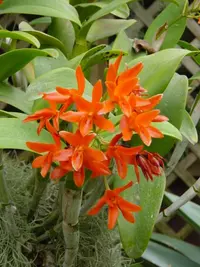
Guarianthe aurantiaca is a compact epiphytic orchid, often called the orange cattleya, known for its clusters of bright orange, star-shaped flowers. It usually grows on trees in warm, humid forests of Central America and southern Mexico.
Plants form slender pseudobulbs with narrow leaves and bloom mainly in late winter to spring, creating a showy display on relatively small plants. It is considered moderately easy for orchid growers who can provide stable warmth, good air movement, and bright, filtered light.
Those who want to learn how to care for Guarianthe aurantiaca should note that it prefers quick-drying, airy media and regular moisture without staying constantly wet.

Care Difficulty
Moderate Care

Light Preference
Partial Sun

Water Requirements
Moderate Water

Temperature Preference
Tropical / Frost Sensitive

Hardiness Zone
10–12

Soil Texture
Sandy, Rocky, Organic-rich

Soil pH
Acidic (5.5–6.5)

Soil Drainage
Well-drained

Fertilization
Light (every 4–6 weeks)
Scan your plant to receive care tips personalized for your specific plant
Available on iOS and Android
This orchid prefers bright, filtered light similar to high-canopy tropical conditions.
Watering should balance consistent moisture with excellent drainage to protect the roots.
This species prefers intermediate to warm temperatures with a clear distinction between day and night.
This orchid prefers moderately humid air and reacts quickly to very dry conditions.
Guarianthe aurantiaca is typically grown in airy orchid media rather than standard potting soil.
This species is well suited to container and basket culture when drainage and stability are managed carefully.
This orchid benefits from modest, well-timed feeding to support flowering without stressing the roots.
Guarianthe aurantiaca needs only light, targeted pruning to stay healthy and productive.
This epiphytic orchid prefers infrequent repotting, done carefully to limit root disturbance.
Guarianthe aurantiaca is most reliably multiplied by division of mature clumps.
This orchid is frost-sensitive and needs mild, protected conditions in winter.

Plant Health Check
Not sure what's wrong with your plant? Check your plant's health inside the app.
This species typically grows as an epiphyte on tree branches in seasonally dry oak and pine–oak forests from Mexico to Central America, anchoring to bark rather than rooting in soil.
Its vivid orange flowers are adapted to attract pollinators such as butterflies and possibly hummingbirds, using strong color contrast and a tubular flower form to guide them toward nectar and pollen.
Wild populations show considerable variation in flower size, shape, and color intensity, which has made this species a valuable parent in breeding programs aimed at producing compact, brightly colored Cattleya-type hybrids.

Molecular phylogenetic studies led to this species being moved from the traditional orchid genus Cattleya into the genus Guarianthe, making it one of the key species that helped clarify evolutionary relationships within this orchid group.
Lack of flowers is usually linked to insufficient light, inadequate seasonal temperature drop at night, or low fertilizer. Mature pseudobulbs must form fully. Provide brighter filtered light and a cooler, slightly drier rest after growth finishes.
Keep your plants happy and healthy with plant identification, disease detection, and easy care guidance.


Great bougainvillea
Bougainvillea spectabilis
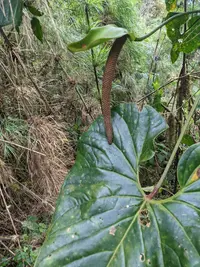
Anthurium concinnatum
Anthurium concinnatum
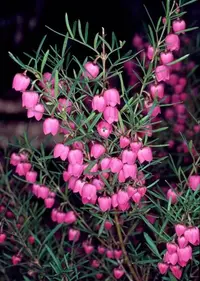
red boronia
Boronia heterophylla
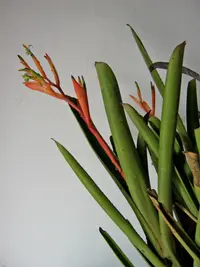
Billbergia amoena
Billbergia amoena
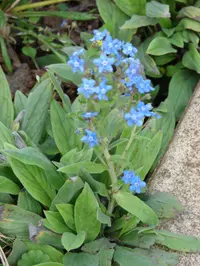
Chinese hound's tongue
Cynoglossum amabile
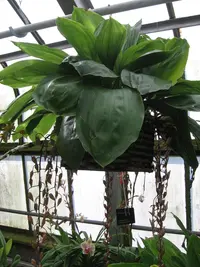
Gongora unicolor
Gongora unicolor
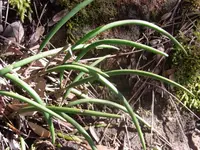
Streaked rock orchid
Dendrobium striolatum
 POPULAR
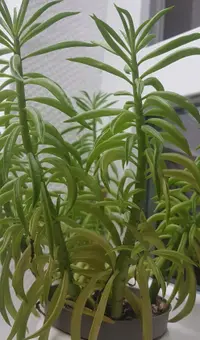
Happy Bean plant
Peperomia ferreyrae