moonshine yarrow Care (Achillea clypeolata)

moonshine yarrow

About moonshine yarrow

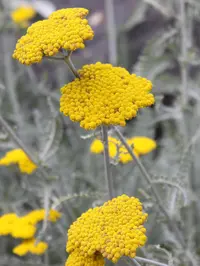
Moonshine yarrow, Achillea clypeolata, is a compact, clump-forming perennial grown mainly for its flat, bright yellow flower clusters and soft, gray-green foliage. It typically forms low mounds with upright flowering stems, giving a neat, structured look in borders and gravel gardens.

This species is native to southeastern Europe, where it grows in sunny, open, and often rocky habitats. Its drought tolerance, long flowering period, and ability to handle poor soils make it a reliable choice for low-maintenance plantings.

Gardeners who learn how to care for moonshine yarrow usually find it easy, as it thrives in full sun, well-drained soil, and relatively dry conditions compared with many other perennials.

Main Plant Requirements

Care Difficulty

Easy Care

Light Preference

Full Sun

Water Requirements

Low Water

Temperature Preference

Cold Hardy

Hardiness Zone

4–9

Soil Texture

Sandy, Loamy, Rocky

Soil pH

Slightly acidic (6.5–7.0), Slightly alkaline (7.0–7.5)

Soil Drainage

Well-drained

Fertilization

Minimal (feed rarely)

Get Personalized Care Plan

Scan your plant to receive care tips personalized for your specific plant

Available on iOS and Android

How to Care for the moonshine yarrow

Achillea clypeolata thrives in strong sun and produces best flowers in open, exposed sites.

  • Provide 6–8 hours of direct sun daily; full sun from morning through mid-afternoon supports compact growth and abundant blooms.
  • The plant tolerates light afternoon shade in hot summers, but flowering of moonshine yarrow decreases in sites with less than 4–5 hours of sun.
  • In cooler seasons, choose the brightest, least-shaded position available, as low light leads to floppy stems, fewer flowers, and paler foliage.

Achillea clypeolata prefers dry to moderately moist soil and is highly drought-tolerant once established.

  • Allow the top 5–7 cm of soil to dry fully before watering; the foliage should feel firm, not limp, when moisture is adequate.
  • During hot, dry spells, water deeply but infrequently, ensuring soil drains quickly so no standing water remains within 30 minutes.
  • Reduce watering in cool or rainy seasons; yellowing lower leaves, soft stems, or a sour soil smell indicate overwatering, while crispy foliage tips suggest underwatering.

This yarrow is a hardy perennial that tolerates a wide range of outdoor temperatures.

  • Optimal growth occurs in 65–80°F (18–27°C); plants remain active and flower reliably in this range during late spring and summer.
  • Established clumps tolerate winter cold down to about -20°F (-29°C) when grown in the ground with good drainage.
  • Heat tolerance is good up to about 95°F (35°C) if soil is not waterlogged; in extreme heat, flowering may pause but resumes as temperatures moderate.

Achillea clypeolata tolerates a wide humidity range and rarely needs special humidity management.

This species prefers lean, well-drained mineral soil that stays on the dry side.

  • Use sandy or gritty loam with 30–60% coarse sand or fine gravel to keep the root zone open and free-draining.
  • Aim for slightly alkaline to neutral pH, around 6.5–7.5, which suits most garden yarrows including Achillea clypeolata.
  • Mix in a small amount of mature compost for structure, not richness, to avoid excessively lush, floppy growth.
  • Avoid heavy clay, waterlogged spots, or peat-heavy mixes that hold moisture and reduce aeration around the roots.

This species is suitable for containers if the potting mix stays sharply drained and relatively dry.

  • Choose a wide, low container to support its spreading, clumping habit and reduce the risk of the pot tipping in wind.
  • Use a mineral-rich mix, such as cactus soil blended with extra grit, to prevent moisture buildup around the rhizomes.
  • Select unglazed clay pots in sunny positions so the sides can dry faster and prevent prolonged root dampness.

Achillea clypeolata, including moonshine yarrow types, grows best in lean soil and needs only light fertilization.

  • Apply a thin layer of compost or a low-dose balanced NPK fertilizer (around 10-10-10) once in spring as growth begins.
  • Use slow-release granules sparingly in poorer soils, keeping fertilizer off the crown to prevent rot.
  • Dilute liquid feed to 25–50% strength if used, and water afterward to distribute nutrients evenly.
  • Avoid feeding in late fall and winter to prevent soft, frost-sensitive growth and maintain compact plants.

Pruning Achillea clypeolata helps maintain compact growth and supports long, clean flowering.

  • In summer, deadhead spent flower heads with clean hand pruners to encourage additional blooms.
  • Remove dead, weak, or damaged stems at the base in late fall or very early spring.
  • Thin crowded shoots to improve air movement and reduce the risk of fungal issues.
  • Lightly shape the clump after flowering, avoiding cutting into the woody crown to prevent decline.

Achillea clypeolata is most often grown in garden beds, with attention focused on transplanting rather than frequent repotting.

  • Transplant in early spring or early fall so roots can establish in cool, moist conditions.
  • Move plants when clumps become congested, flowering declines, or growth seems stunted despite good light.
  • Lift the clump carefully, tease roots apart, and replant divisions at the same depth in well-drained soil.
  • Water thoroughly after transplanting, then keep soil slightly moist for 1–2 weeks to limit transplant shock.

Achillea clypeolata is commonly propagated by division, stem cuttings, and seeds under suitable conditions.

  • Divide mature clumps in early spring or early fall, replanting healthy outer sections into prepared soil.
  • Take softwood or semi-ripe cuttings in late spring to early summer and root them in a free-draining, slightly moist mix.
  • Sow seeds in late winter to spring, barely covering them, and keep at 65–75°F with bright, indirect light.
  • Provide good air circulation and avoid overwatering young plants to reduce damping-off and root rot.

Achillea clypeolata is generally cold hardy and needs minimal winter care in most temperate climates.

  • In regions with wet winters, ensure excellent drainage so crowns do not sit in waterlogged soil.
  • After hard frost, cut back spent stems to a low stubble, leaving 5–10 cm to mark the plant’s location.
  • Apply a light mulch layer in colder zones to moderate soil temperature, keeping mulch off the crown.

Care Tips

Staggered Deadheading

Remove spent flower stems in stages over 2–3 weeks instead of all at once to encourage a longer bloom period while leaving some seed heads for beneficial insects.

Prevent Lodging Early

When plants reach 15–20 cm tall, pinch back the top 2–3 cm of growth or lightly shear the clump to promote shorter, sturdier stems that are less likely to flop in summer winds.

Dry Site Mulching

Use a thin, open mulch layer such as coarse gravel or crushed stone around the crown to suppress weeds while keeping the plant base dry and reducing crown rot risk.

Targeted Division Strategy

Divide congested clumps every 3–4 years in early spring, replanting only the vigorous outer sections and discarding the woody center to maintain strong flowering performance when growing moonshine yarrow.

Beneficial Insect Support

Leave a portion of late-season flower heads and stems standing through winter to provide shelter and seed for beneficial insects, then cut back the old growth in late winter before new shoots emerge.

Common Pests and Diseases

Powdery mildew

This disease causes white, powdery growth on leaves and stems, often during warm days and cool, humid nights. Symptoms include distorted foliage and reduced flowering if the infection is heavy.

Solution

Improve air circulation by thinning crowded clumps and avoid overhead watering, especially late in the day. Remove and discard heavily affected stems and, if needed, apply a sulfur or potassium bicarbonate fungicide labeled for ornamentals at the first sign of infection.

Botrytis blight

This disease leads to brown, water-soaked spots on flower heads and stems that become covered with gray, fuzzy mold in cool, damp conditions. Symptoms include blighted flower clusters and collapse of tender growth.

Solution

Remove and destroy all affected flower stalks and debris, and keep the plant base clean and dry. Improve drainage and spacing, water at soil level, and in persistent wet weather use a labeled ornamental fungicide directed at Botrytis on emerging flower stems.

Aphids

These insects cluster on young stems and flower stalks, sucking sap and causing curling, distortion, and sticky honeydew that can attract sooty mold. This pest can reduce vigor and deform developing flower heads.

Solution

Spray colonies off with a firm stream of water and prune out heavily infested tips. For ongoing issues, use insecticidal soap or a light horticultural oil, making sure to coat stems and the undersides of leaves while avoiding treatment during high heat.

Spittlebugs

These insects hide in frothy, soap-like masses on stems, where they feed on sap and may cause mild distortion or spotting on nearby tissues. Symptoms include visible white spittle clusters, often on lower to mid-stems.

Solution

Physically remove the spittle masses by hand or wash them off with a strong stream of water, repeating as needed during the season. Keeping the area around the plant weeded and open reduces hiding places and lowers reinfestation pressure while still allowing beneficial insects to visit the flowers.

Leaf spot complex

These diseases cause scattered brown to purplish spots on lower and inner leaves, which may yellow and drop prematurely, especially in overly moist or crowded plantings. Symptoms include a general thinning of the foliage from the base upward.

Solution

Remove and discard spotted, yellowing, or heavily affected leaves and avoid wetting the foliage when irrigating. Increase spacing, divide and replant overgrown clumps, and in recurrent cases apply a broad-spectrum fungicide labeled for ornamental leaf spots early in the season as part of Achillea clypeolata care.

Interesting Facts

Balkan limestone specialist

This yarrow is native to limestone-rich mountain and hill regions of the Balkans, where it has adapted to very alkaline, rocky soils that many other garden plants cannot tolerate long term.

Silver foliage adaptation

Its small, gray-silver, finely divided leaves are covered with tiny hairs, which reduce water loss and reflect intense sunlight in its native dry habitats.

Stable yellow flower color

Unlike some yarrows whose flower color fades significantly, this species is known for holding a clear, strong yellow in its dense, flat flower clusters throughout most of the blooming period.

Botan icon

Did you know?

This species has been a key parent in breeding several modern compact yellow yarrow cultivars, contributing both its strong golden flower color and its dense, mounding growth habit to widely used ornamental hybrids.

FAQs about moonshine yarrow

Lack of flowers usually comes from too much shade, overly rich or wet soil, or plants becoming crowded and old. Ensure full sun, avoid heavy fertilizing, and divide clumps every 3–4 years to restore flowering.

Grow Healthy Plants with Botan Care

Keep your plants happy and healthy with plant identification, disease detection, and easy care guidance.

Botan plant care app — identify plants on mobile

Explore More Plants