Florida Keys Indian mallow Care (Abutilon hirtum)

Florida Keys Indian mallow

About Florida Keys Indian mallow

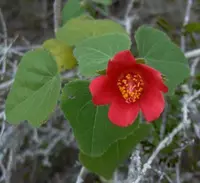
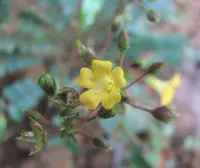
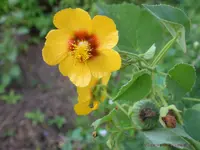
Florida Keys Indian mallow (Abutilon hirtum) is a small shrub or subshrub in the mallow family, valued for its soft foliage and small yellow flowers. It often has a slightly fuzzy texture on stems and leaves, giving it a distinctive, velvety look.

In nature it occurs in dry, open habitats, roadsides, and disturbed sites across tropical and subtropical regions, including the Florida Keys. The plant is generally tough and forgiving, which makes it suitable for low-maintenance landscapes.

It tolerates heat, drought, and poorer soils once established, so it is not demanding for most home gardeners. Those learning how to care for Florida Keys Indian mallow mainly need to provide sun, drainage, and protection from severe cold.

Main Plant Requirements

Care Difficulty

Moderate Care

Light Preference

Full Sun

Water Requirements

Moderate Water

Temperature Preference

Tropical / Frost Sensitive

Hardiness Zone

10–12

Soil Texture

Sandy, Loamy, Organic-rich

Soil pH

Acidic (5.5–6.5), Slightly acidic (6.5–7.0)

Soil Drainage

Well-drained

Fertilization

Minimal (feed rarely)

Get Personalized Care Plan

Scan your plant to receive care tips personalized for your specific plant

Available on iOS and Android

How to Care for the Florida Keys Indian mallow

This sun-loving shrub thrives in bright, warm conditions similar to its native habitat.

  • Provide 6–8 hours of direct sun, ideally strong morning sun with some light afternoon shade in very hot regions for Florida Keys Indian mallow.
  • Plant in an open site; it tolerates light partial shade but flowering and density drop noticeably below 4–5 hours of direct light.
  • In summer, monitor for leaf scorch in reflected or all-day afternoon sun; in cooler seasons, ensure less shading from nearby plants or structures.

This species prefers consistent, moderately dry conditions rather than constant moisture.

  • Water when the top 3–5 cm of soil feels dry, using a deep soak that moistens the root zone, then allow excess to drain away.
  • Choose well-drained, sandy or loamy soil; persistent puddling, sour smell, or yellowing, dropping leaves indicate overwatering in Abutilon hirtum.
  • Increase checks during hot, windy periods when wilting and dull, folded leaves appear by midday; reduce frequency in cool seasons while still preventing complete soil desiccation.

This plant is adapted to warm climates and does best without frost exposure.

  • Aim for 70–90°F (21–32°C) for strongest growth, with flowering and foliage quality highest in the warmer part of this range.
  • It tolerates brief dips to about 40°F (4°C), but foliage may suffer; temperatures below 32°F (0°C) can kill young growth or the entire plant.
  • In hot spells above 95°F (35°C), growth may slow; provide some afternoon shade and maintain soil moisture to limit heat stress.

This species tolerates relatively dry air but benefits from moderate ambient humidity.

  • Aim for 40–60% humidity; typical indoor levels in many homes are acceptable for Florida Keys Indian mallow.
  • Dry, curling leaf edges and slow bud development can indicate air that is too dry.
  • To increase humidity locally, group plants together or place the pot near, but not directly above, a pebble tray with water.

This plant prefers light, well-drained soil that mimics a sandy, slightly fertile habitat.

  • Use a mix of 50–60% sandy or loamy garden soil, 20–30% coarse sand, and 10–20% compost for structure and nutrients.
  • Ensure very sharp drainage; add perlite or fine gravel if water lingers on the surface after watering Abutilon hirtum.
  • Target a slightly acidic to neutral pH around 6.0–7.0 for optimal root function and nutrient uptake.
  • Avoid heavy clay, waterlogged spots, or mixes dominated by peat that stay wet and exclude air from the roots.

This species adapts well to container culture when its root and drainage needs are met.

  • Choose a pot deep enough to allow a moderately long taproot to develop without circling tightly at the base.
  • Select a relatively heavy container material, such as thick terracotta or ceramic, to stabilize the upright, branching top growth outdoors.
  • Use a pot with multiple drainage holes so excess water exits quickly, preventing the gritty mix from compacting and reducing aeration.

Abutilon hirtum is not a heavy feeder but responds well to light nutrition during active growth.

  • Use a balanced liquid fertilizer (for example 10-10-10) at 1/2 strength every 4–6 weeks in spring and summer.
  • Alternatively, apply a thin layer of compost or a gentle slow-release fertilizer at the start of the growing season.
  • Reduce or stop feeding in fall and winter when growth slows, especially for Florida Keys Indian mallow in cooler areas.
  • Always water before applying fertilizer to avoid root burn and monitor foliage color to adjust strength if needed.

Abutilon hirtum benefits from light, periodic pruning to maintain shape and encourage dense growth.

  • Time main pruning for late winter or early spring before strong new growth starts.
  • Remove dead, diseased, crossing, or storm-damaged stems first to improve plant health and airflow.
  • Shorten overly long or leggy shoots to shape the shrub and stimulate branching and flowering.
  • Use clean, sharp hand pruners, making angled cuts just above outward-facing buds.

This species is often grown in the ground, but young or container Abutilon hirtum may need occasional transplanting.

  • Check for roots circling the pot, pushing through drainage holes, or noticeably slowed growth as signs to move it.
  • Plan transplanting or repotting for spring, about every 2–3 years for container plants, when temperatures are mild.
  • Shift into a container only 2–5 cm wider or replant in prepared ground with well-drained soil.
  • Water thoroughly after moving, keep shaded for several days, and avoid heavy pruning at the same time to limit stress.

Abutilon hirtum is commonly multiplied by seeds and softwood cuttings under warm conditions.

  • Sow fresh seeds in late spring in a sterile, well-drained mix, keeping temperatures around 70–80°F and moisture even.
  • Take 7–10 cm softwood cuttings in late spring or early summer from non-flowering shoots.
  • Remove lower leaves, dip the base in rooting hormone, and insert into moist, free-draining medium.
  • Provide bright, indirect light, high humidity, and gentle bottom warmth until roots develop.

In frost-free or very mild climates, Abutilon hirtum needs minimal winter attention beyond normal care.

  • In regions with occasional light frost, add a 5–8 cm mulch layer around the root zone, keeping it off the stems.
  • For container plants in cooler zones, move pots indoors or into a bright, frost-free space before temperatures drop near freezing.
  • Avoid heavy pruning or high-nitrogen feeding late in the season so new growth hardens before cold weather.

Care Tips

Wind-resistant staking

Install low, wide stakes or a short wire cage around young plants in exposed sites so stems can flex in the wind without snapping, especially in coastal or open landscapes.

Targeted basal pruning

Remove a few of the oldest, most woody stems at ground level each year to keep the shrub airy, improve light penetration, and reduce fungal issues inside the canopy.

Seed pod management

Regularly clip off developing seed pods if you want to extend flowering and limit self-seeding, but allow a few to mature fully if seed collection for propagation is desired.

Soil heat moderation

Use a light-colored mineral mulch such as coarse sand or small gravel around the root zone to reduce soil overheating and stabilize moisture in very hot, dry sites.

Dry-season pest checks

Inspect the undersides of leaves and young shoots every 1–2 weeks during hot, dry periods so early spider mite or whitefly activity can be managed before it stresses the plant when growing Florida Keys Indian mallow.

Common Pests and Diseases

Cotton aphids

This pest feeds on tender shoots and flower buds, causing distortion, yellowing, and sticky honeydew that may lead to sooty mold on leaves and stems.

Solution

Rinse colonies off young stems and leaf undersides with a firm stream of water, then spot-treat remaining clusters with insecticidal soap or a light horticultural oil, repeating every 5–7 days until new growth appears clean. Encourage natural predators such as lady beetles outdoors by minimizing broad-spectrum insecticides in the planting area.

Spider mites

These insects create fine webbing on leaf undersides and cause stippling, bronzing, and gradual leaf drop, especially in hot, dry conditions.

Solution

Increase humidity around the plant, then thoroughly wash both sides of the leaves with water and follow with insecticidal soap or a low-rate horticultural oil, ensuring full coverage of undersides. Inspect weekly and repeat treatments at 5–7 day intervals until new foliage develops without speckling or webbing.

Whiteflies

This pest rests on the underside of leaves and flies up in a cloud when disturbed, weakening plants through sap feeding and leaving honeydew that attracts sooty mold.

Solution

Regularly shake branches and use yellow sticky traps to monitor and reduce adult numbers, then spray leaf undersides with insecticidal soap or neem oil, focusing on immature stages. Continue treatments at 7-day intervals and remove heavily infested leaves to interrupt the life cycle.

Leaf spot

This disease produces small brown or dark-purple spots on leaves that may coalesce, leading to premature yellowing and leaf drop, especially in warm, humid weather.

Solution

Prune and discard affected leaves, improve air circulation by thinning crowded branches, and avoid overhead watering that keeps foliage wet for long periods. If the problem persists, apply a copper-based fungicide according to label directions and monitor new growth for clean foliage.

Powdery mildew

Symptoms include a white, powdery coating on upper leaf surfaces and young stems, which can lead to leaf curling, distortion, and reduced flowering under crowded or shaded conditions.

Solution

Remove and discard the most affected leaves, then improve light and airflow around the plant by careful pruning and spacing. If needed, apply a sulfur or potassium bicarbonate fungicide labeled for ornamental plants, treating at 7–10 day intervals until new growth stays free of visible mildew.

Interesting Facts

Desert-edge specialist

This species naturally occurs in dry, open habitats such as savannas, rocky slopes, and disturbed roadsides across Africa, the Arabian Peninsula, and parts of tropical Asia, showing strong tolerance to heat and periodic drought.

Velvety protective hairs

Leaves and young stems are densely covered with fine hairs, which reduce water loss, reflect strong sunlight, and offer some protection from herbivores in exposed environments.

Long-lasting flower display

Individual yellow, bell-shaped flowers are short-lived, but the plant produces them continuously over a long warm season, so a single shrub can appear in bloom for many weeks in suitable climates.

Botan icon

Did you know?

Abutilon hirtum is considered a useful pioneer shrub in some dryland restoration projects because it can quickly colonize degraded, sun-baked soils and help stabilize them, creating slightly cooler, more sheltered spots where other, less hardy species can later establish.

FAQs about Florida Keys Indian mallow

Poor flowering usually comes from low light, heavy pruning at the wrong time, or nutrient imbalance with excess nitrogen. Allow some older stems to remain, avoid frequent shearing, and use a balanced fertilizer to support bud formation when growing Florida Keys Indian mallow.

Grow Healthy Plants with Botan Care

Keep your plants happy and healthy with plant identification, disease detection, and easy care guidance.

Botan plant care app — identify plants on mobile

Explore More Plants