Heat-stress planning
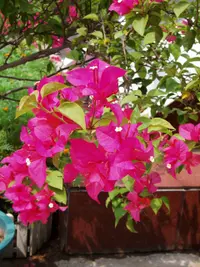
In hot climates, site plants where they receive good morning sun but some light afternoon shade from a fence or taller plants to reduce flower drop during extreme heat waves.

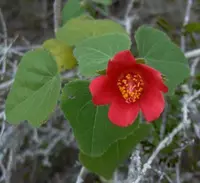
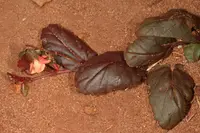
Heartleaf rosemallow (Hibiscus martianus) is a compact, woody perennial hibiscus native to dry, rocky regions of Texas and northern Mexico. It forms a bushy clump with small, heart-shaped leaves and vivid red, funnel-shaped flowers that attract hummingbirds and pollinators.
This species is adapted to heat, sun, and drought, which makes it relatively forgiving once established in suitable conditions. It prefers full sun, well-drained soil, and infrequent but deep watering.
Because it evolved in tough environments, it tolerates neglect better than many ornamental hibiscus types. These traits make it a good choice for gardeners who want to learn how to care for heartleaf rosemallow without high-maintenance demands.

Care Difficulty
Moderate Care

Light Preference
Full Sun

Water Requirements
Moderate Water

Temperature Preference
Warm Climate

Hardiness Zone
8–11

Soil Texture
Sandy, Loamy, Rocky

Soil pH
Slightly acidic (6.5–7.0), Neutral (7.0)

Soil Drainage
Well-drained

Fertilization
Minimal (feed rarely)
Scan your plant to receive care tips personalized for your specific plant
Available on iOS and Android
Hibiscus martianus thrives in bright, direct sun but benefits from some protection during the hottest hours in very hot climates.
Hibiscus martianus prefers evenly moist, well-drained soil and does not tolerate standing water.
This species is heat tolerant but needs protection from hard frost and prolonged freezing conditions.
This species prefers moderately humid air but usually adapts to typical indoor levels.
Hibiscus martianus performs best in freely draining, nutrient-rich mineral soil.
This species can grow well in containers when drainage and stability are carefully managed.
Hibiscus martianus benefits from light, targeted feeding to support flowering without producing weak, lush growth.
Pruning Hibiscus martianus helps maintain a compact form and encourages more flowering wood.
This species is most often grown in-ground, where transplanting timing and root care matter more than frequent repotting.
Hibiscus martianus is commonly propagated from semi-hardwood cuttings and seeds under warm conditions.
In mild climates this hardy perennial hibiscus needs only modest winter care once established.

Plant Health Check
Not sure what's wrong with your plant? Check your plant's health inside the app.
This species is naturally restricted to dry canyons and rocky slopes of south Texas and northeastern Mexico, where it grows in thin, well-drained soils under intense sun and heat.
Its small, thickened leaves and deep root system are adaptations that allow the plant to remain evergreen and keep flowering through long stretches of hot, dry weather in its native range.
The bright red, open-faced flowers are structured to attract hummingbirds and large bees, which contact the central column of stamens and stigma as they feed, improving cross-pollination.

Despite belonging to a mostly tropical genus, Hibiscus martianus is one of the few species adapted to tolerate occasional light frosts in parts of its native south Texas habitat, allowing it to bridge ecological niches between subtropical and warm-temperate shrub communities.
This species is highly attractive to hummingbirds, butterflies, and many native bees due to its tubular red flowers and extended blooming season. It works well in wildlife or pollinator gardens and supports local ecosystems when planted in groups.
Keep your plants happy and healthy with plant identification, disease detection, and easy care guidance.