Lantana Care (Lantana × strigocamara)

Lantana

About Lantana

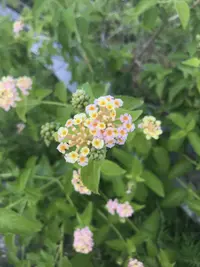
Lantana × strigocamara is a sun-loving, shrubby perennial often grown as an annual in cooler climates. It is valued for its clusters of small, brightly colored flowers. Plants typically form dense, bushy mounds with rough, aromatic leaves and can spread or become somewhat woody with age. Flower colors often shift as they age, creating multicolored heads on a single plant. This hybrid has naturalized in many warm regions worldwide and can be invasive in some areas, especially in frost-free climates. It is generally robust and drought-tolerant once established, which makes it easy to care for Lantana in typical garden conditions. It prefers full sun, well-drained soil, and moderate watering.

Main Plant Requirements

Care Difficulty

Easy Care

Light Preference

Full Sun

Water Requirements

Low Water

Temperature Preference

Tropical / Frost Sensitive

Hardiness Zone

9–11

Soil Texture

Sandy, Loamy, Organic-rich

Soil pH

Acidic (5.5–6.5), Slightly acidic (6.5–7.0)

Soil Drainage

Well-drained

Fertilization

Light (every 4–6 weeks)

Get Personalized Care Plan

Scan your plant to receive care tips personalized for your specific plant

Available on iOS and Android

How to Care for the Lantana

This sun-loving shrub blooms best with strong, direct light for most of the day.

  • Provide 6–8 hours of direct sun daily; full sun all morning and early afternoon gives the heaviest flowering for Lantana.
  • Tolerates light afternoon shade in very hot climates, but too much shade causes leggy growth, fewer blooms, and pale foliage.
  • In spring and fall, maximize sun by avoiding shade from trees or buildings; in summer, monitor for leaf scorch and mulch soil to reduce stress.

This drought-tolerant shrub prefers thorough, infrequent watering in well-drained soil.

  • Water when the top 3–5 cm of soil is dry; in hot summer spells this may mean every few days, but in cooler weather it can be much less often.
  • Ensure sharply drained soil or raised beds so roots of Lantana × strigocamara do not sit in water, which promotes rot and yellowing leaves.
  • Signs of underwatering include limp, wilting foliage and crisp leaf edges; overwatering shows as persistent soggy soil, leaf drop, and stem dieback.

This heat-tolerant shrub thrives in warm conditions and is damaged by frost.

  • Optimal growth occurs around 70–90°F (21–32°C); flowering is strongest when days are warm and nights stay above about 60°F (16°C).
  • Lantana × strigocamara is very frost-sensitive; growth declines below 50°F (10°C) and hard frost near 32°F (0°C) can kill top growth or the entire plant.
  • In hot regions, it tolerates short periods up to about 100°F (38°C) if soil is not waterlogged; mulch roots and avoid reflected heat from walls during extreme heat.

This species tolerates a wide humidity range and usually does not need special humidity management.

  • Performs well at 30–60% humidity, typical for many outdoor and indoor environments in the US.
  • Handles dry air better than many ornamentals, so avoid misting, which only wets foliage and can encourage disease.
  • If foliage browns at tips while soil moisture is adequate, suspect heat or drought stress rather than low humidity and adjust watering or sun exposure instead.

Lantana × strigocamara prefers well-aerated, fast-draining mineral soils that never stay saturated.

  • Use a light, sandy or loamy mix with 30–50% coarse material such as coarse sand, perlite, or fine gravel to keep pores open.
  • Aim for slightly acidic to neutral pH around 6.0–7.0, which supports nutrient availability without excess micronutrient solubility.
  • Incorporate a modest amount of mature compost or leaf mold for structure and nutrients, but avoid heavy peat-only mixes that hold water too long.
  • Avoid dense clay or compacted ground; in such sites, plant on a mound or in raised beds with extra coarse amendments to improve drainage and aeration.

This plant is well-suited to container growing in sunny, warm locations.

  • Choose a wide, heavy container to counterbalance the spreading canopy and reduce tipping in windy spots.
  • Select terra cotta or other porous materials if overwatering is a concern, since they allow faster evaporation from the root zone.
  • Elevate the pot slightly on feet or bricks so drainage holes clear the ground and excess water escapes quickly after rain or irrigation.

Feed Lantana × strigocamara modestly to support flowering without forcing soft, weak growth.

  • Use a balanced NPK granular or slow-release fertilizer, or a light topdress of compost, in spring as new growth starts.
  • Apply fertilizer every 6–8 weeks through the warm growing season while the plant is actively blooming.
  • Use half-strength liquid feeds if using water-soluble products to avoid salt buildup and leaf burn.
  • Stop feeding in late summer to early fall so growth hardens before cooler weather and winter dormancy.

Pruning Lantana × strigocamara maintains a compact shape and encourages heavier flowering.

  • In late winter or very early spring, cut back stems by about one-third to remove old, woody growth and reset plant size.
  • Throughout the growing season, remove dead, damaged, or crossing stems to improve air flow and reduce disease risk.
  • Shear or lightly trim after each major flush of flowers to promote new shoots and more blooms.
  • Use clean, sharp hand pruners and disinfect blades when working on diseased or suspect material.

Container-grown plants and young Lantana × strigocamara benefit from occasional repotting or transplanting to maintain vigor.

  • Check for roots circling the pot, pushing through drainage holes, or noticeably slowed growth as signs a move is needed.
  • Plan to repot or transplant in spring after frost risk has passed, typically every 2–3 years for container plants.
  • Shift into a container 2–5 cm wider with a well-draining mix, handling the root ball gently to limit disturbance.
  • Water thoroughly after moving, then keep soil slightly moist and shaded for several days to reduce transplant stress.

Lantana × strigocamara is most commonly propagated from softwood or semi-ripe cuttings.

  • Take 7–10 cm non-flowering tip cuttings in late spring to summer when stems are flexible but not too soft.
  • Remove lower leaves, optionally dip the cut end in rooting hormone, and insert into a moist, free-draining propagation mix.
  • Maintain bright, indirect light, 70–80°F warmth, and high humidity using a loose plastic cover with ventilation.
  • Seeds can be sown in warm conditions, but cuttings give faster, more reliable clones of the parent plant.

Cold sensitivity means Lantana × strigocamara needs protection in regions with freezing winters.

  • In climates below about 25°F, grow in containers so plants can be moved indoors to a bright, cool spot before frost.
  • For in-ground plants in marginal zones, cut back lightly after first frost and apply 5–8 cm of mulch over the root zone.
  • Keep indoor plants on the dry side in winter, watering only when the top layer of soil is dry to limit root rot.
  • Remove winter mulch gradually in spring once consistent mild temperatures return and new growth appears.

Care Tips

Encourage Bushy Shape

Pinch back soft shoot tips every 3–4 weeks in active growth to keep plants compact, encourage more branching, and increase flower clusters, especially in containers and small beds.

Refresh Leggy Plants

If plants become woody and sparse, cut back the longest stems by 1/3 early in the warm season and top-dress with a thin layer of compost to stimulate fresh flowering growth from lower nodes.

Monitor Seedling Spread

Regularly remove spent flower heads before they set fruit, and pull or hoe out volunteer seedlings at the edges of beds to limit unwanted spread and reduce invasiveness when caring for Lantana.

Use Strategic Mulching

Apply a light, 2–3 cm coarse mulch band around but not touching the stems to reduce weed competition and soil splash while avoiding heavy, wet mulch that can promote crown rot in this shrub.

Plan Seasonal Rotation

In colder regions, grow plants in large, lightweight containers that can be moved to a protected porch or frost-free garage in late fall, then gradually reintroduce them to full sun in spring over 7–10 days to prevent sunscald and shock.

Everything About Lantana

Common Pests and Diseases

Lantana lace bug

This pest feeds on the undersides of leaves, causing pale stippling, yellowing, and a dry, blanched look, often followed by leaf drop. Symptoms include dirty-looking undersides with dark spots of excrement and shed skins.

Solution

Inspect leaf undersides regularly and prune off heavily infested stems. For active infestations, wash foliage thoroughly with a strong stream of water, then apply insecticidal soap or a neem oil product to the undersides of leaves every 7–10 days until new growth appears clean, and reduce plant stress through proper watering and sun exposure.

Whitefly

These insects congregate on tender growth and leaf undersides, sucking sap and causing leaf yellowing, curling, and sticky honeydew that can support black sooty mold. When disturbed, clouds of tiny white insects often fly up from the plant.

Solution

Use a strong water spray to dislodge adults and nymphs, then apply insecticidal soap or horticultural oil, coating the undersides of leaves. Yellow sticky traps help monitor and reduce adults; remove heavily infested foliage and avoid overfertilizing, which encourages soft, attractive new growth.

Powdery mildew

This disease appears as white, powdery patches on leaves and stems, often starting on shaded or crowded areas of the plant. Symptoms include distorted new growth and premature leaf drop, especially in humid conditions with poor airflow.

Solution

Remove and dispose of affected leaves to reduce spore load, then improve air circulation by thinning dense growth and avoiding overhead watering. In persistent cases, apply a labeled fungicide or a potassium bicarbonate-based product at the first sign of symptoms, keeping foliage as dry as possible between treatments as part of general Lantana × strigocamara care.

Anthracnose leaf spot

This disease causes tan to dark brown spots with sometimes darker margins on leaves, which can merge into larger blotches and lead to defoliation in warm, wet weather. Symptoms include thinning foliage and a generally stressed, sparse canopy.

Solution

Promptly remove and discard spotted leaves and any fallen debris around the plant to limit reinfection. Water at the base, not over the foliage, and if wet, warm conditions persist, use a copper-based or other labeled fungicide as a preventative on healthy leaves, repeating per label directions until weather turns drier.

Spider mite

These pests thrive on hot, dry plants and cause fine stippling, bronzing, and eventual drying of foliage, sometimes with fine webbing between leaves and stems. Symptoms include a dusty appearance and leaves that feel rough or sandpapery to the touch.

Solution

Increase humidity around the plant and regularly hose down the foliage, focusing on leaf undersides to physically remove mites. For ongoing infestations, apply insecticidal soap or horticultural oil at 5–7 day intervals, rotating products if needed, and avoid drought stress, which strongly favors mite buildup.

Interesting Facts

Hybrid of two species

This ornamental shrub is a natural hybrid between Lantana camara and Lantana urticifolia, and many garden forms sold simply as lantana in the US and Europe actually belong to this hybrid taxon.

Highly invasive behavior

In many warm regions, especially in Australia and parts of the tropics, this hybrid escapes cultivation, forms dense thickets, and displaces native vegetation, so it is officially listed as a serious environmental weed in several countries.

Toxic to livestock

The leaves and unripe fruits contain triterpenoid compounds known as lantadenes, which can cause liver damage and photosensitivity in grazing animals that ingest significant amounts of the plant.

Botan icon

Did you know?

Molecular studies that compare DNA markers among wild and cultivated lantanas were essential to confirming that many invasive populations worldwide belong to this specific hybrid lineage rather than to a single original wild species.

FAQs about Lantana

Lack of flowers usually comes from insufficient light, excess nitrogen fertilizer, or old, unpruned wood. Ensure full sun, use a balanced or low-nitrogen fertilizer, and lightly prune or deadhead to stimulate new, flower-producing growth.

Grow Healthy Plants with Botan Care

Keep your plants happy and healthy with plant identification, disease detection, and easy care guidance.

Botan plant care app — identify plants on mobile

Explore More Plants