Anoda acerifolia Care

Anoda acerifolia

About Anoda acerifolia

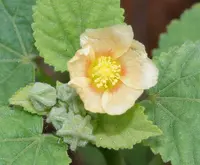
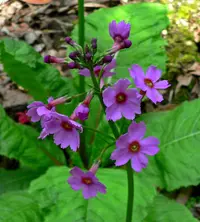
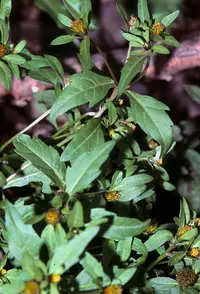
Anoda acerifolia is an annual or short-lived perennial herb in the mallow family, valued mainly as a wildflower and ecological species rather than as a common garden ornamental. It typically forms upright, branching stems with maple-like leaves and purple to bluish funnel-shaped flowers that attract pollinators.

This species is native to parts of Mexico and the southern United States, where it grows in open fields, roadsides, and disturbed soils. It adapts best to full sun, moderate moisture, and well-drained soils, which makes it relatively undemanding once established.

For gardeners, the main considerations when thinking about how to care for Anoda acerifolia are its tendency to self-seed and its preference for open, sunny sites over shaded, crowded plantings.

Main Plant Requirements

Care Difficulty

Moderate Care

Light Preference

Full Sun

Water Requirements

Moderate Water

Temperature Preference

Warm Climate

Hardiness Zone

8–11

Soil Texture

Sandy, Loamy, Organic-rich

Soil pH

Acidic (5.5–6.5), Slightly acidic (6.5–7.0)

Soil Drainage

Well-drained

Fertilization

Minimal (feed rarely)

Get Personalized Care Plan

Scan your plant to receive care tips personalized for your specific plant

Available on iOS and Android

How to Care for the Anoda acerifolia

This sun-loving annual grows best with steady, bright exposure during the growing season.

  • Provide 6–8 hours of direct sun daily; morning sun with light afternoon shade suits Anoda acerifolia in hotter climates.
  • In regions with intense summer sun, give protection from strong sun between 12–4 pm to prevent leaf scorch and excessive wilting.
  • If grown in partial shade (3–4 hours sun), expect taller, softer growth and fewer flowers; shift plants gradually to brighter sites in spring.

This plant prefers evenly moist, well-drained soil and does not tolerate prolonged saturation.

  • Water when the top 3–5 cm of soil feels dry, applying a deep soak rather than light, frequent splashes.
  • During hot, windy weather, monitor daily; in cooler or rainy periods, extend intervals and rely on soil feel, not a fixed schedule.
  • Yellowing, limp foliage with wet soil suggests overwatering or poor drainage, while dull, drooping leaves and dry, crumbly soil indicate underwatering for Anoda acerifolia.

This warm-season annual grows best in mild to hot conditions and is sensitive to cold.

  • Aim for active growth in 70–85°F (21–29°C); seedlings establish best once nights stay above 55°F (13°C).
  • Avoid exposure below 40°F (4°C); light frost can damage foliage, and a hard freeze below 32°F (0°C) usually kills the plant.
  • In hot spells above 95°F (35°C), growth may slow; provide extra water and, if possible, light afternoon shade to limit stress and leaf scorch.

This species handles a wide humidity range but grows best with moderately moist air.

  • Aim for 40–60% humidity, similar to most temperate outdoor conditions or typical household levels.
  • Plants tolerate short dry spells, but prolonged very dry air can cause leaf edge browning and slower growth.
  • Increase humidity near potted plants with grouped containers, a pebble tray with water below the pot base, or occasional misting in arid climates.

This plant prefers light, well-drained soil that does not stay waterlogged.

  • Use a loose loamy or sandy mix with moderate organic matter so roots receive both moisture and air.
  • Aim for slightly acidic to neutral pH, around 6.0–7.2, avoiding strongly alkaline or saline soils that restrict nutrient uptake.
  • For containers, combine roughly 2 parts all-purpose potting mix with 1 part coarse sand or perlite to improve drainage and aeration.
  • Avoid heavy clay or compacted ground; if soil is dense, incorporate coarse sand and compost through the top 15–20 cm before planting Anoda acerifolia.

This species can be grown successfully in containers outdoors.

  • Choose a pot at least 25–30 cm wide so the fast-growing roots have enough lateral space and the plant remains stable in wind.
  • Select a relatively heavy clay or ceramic container in exposed sites to prevent tipping as the leafy stems become taller and bushier.
  • Ensure a drainage layer with large holes and elevate the pot slightly on feet or bricks so excess water clears quickly after rain or irrigation.

This fast-growing wildflower usually needs minimal feeding in garden soil, so focus on light, balanced nutrition during active growth.

  • Use a balanced NPK fertilizer at 1/2 strength or a thin layer of compost in spring as growth begins.
  • Feed every 4–6 weeks during the growing season if soil is poor or plants look pale and weak.
  • Water before and after applying fertilizer to avoid root burn and improve nutrient uptake.
  • Stop feeding Anoda acerifolia in late summer to early fall to allow growth to harden before cold weather.

Pruning helps keep Anoda acerifolia compact, tidy, and flowering well through the season.

  • Cut back dead, damaged, or diseased stems whenever noticed, using clean, sharp hand pruners.
  • In late winter or early spring, remove crowded or crossing stems to improve air flow and reduce foliar disease.
  • Lightly shorten leggy shoots to encourage bushier growth and more flowering sites.
  • Deadhead spent flowers by cutting just above a leaf node to extend the blooming period.

This species is more often grown in beds than pots, so focus on transplanting young plants at the right time and with minimal root disturbance.

  • Transplant in spring after frost, when seedlings have several true leaves but before roots become pot-bound or circling.
  • Choose a sunny, well-drained site and loosen soil 15–20 cm deep to help new roots spread quickly.
  • Water seedlings well before moving, slide them out gently, and keep as much soil around the root ball as possible.
  • Plant at the same depth, firm soil lightly, then water thoroughly and shade for 2–3 days to reduce transplant shock.

Raising Anoda acerifolia from seed is the most practical and reliable method for home growers.

  • Sow fresh seed in late winter to spring, indoors in trays or directly outdoors after frost risk has passed.
  • Use a light, well-drained seed mix, barely cover the seed, and keep evenly moist at 65–75°F for best germination.
  • Provide bright light once seedlings emerge and good air circulation to prevent damping-off, a fungal seedling disease.
  • Harden off indoor-raised seedlings for 7–10 days outdoors in shelter before planting into their final position.

This annual species completes its life cycle in one season, so winter care focuses on seed carryover rather than plant survival.

  • Allow some seed heads to mature and dry on the plant before frost to ensure self-sowing for next year.
  • In colder regions, collect dry seed and store in a cool, dry place for intentional sowing in spring.
  • Spent plants can be removed after hard frost; compost healthy material to reduce overwintering pests and diseases.

Care Tips

Sturdy wind protection

In open or windy sites, use low windbreaks like mesh fencing or a row of taller companion plants to prevent stems from snapping, especially in young plantings.


Targeted staking system

Install individual stakes or a simple horizontal string line early in the season and loosely tie stems, which keeps tall growth upright and reduces lodging during heavy rain.

Timed deadheading routine

Remove spent flowers weekly during peak bloom to prolong flowering and limit unwanted self-seeding, leaving only selected seedheads if you want to collect seed.

Progressive thinning

Thin crowded seedlings in 2–3 stages rather than all at once so that remaining plants adapt gradually, and aim for final spacing that allows airflow between mature plants to reduce foliar disease.

Planned rotation break

Avoid planting in the same bed for at least 2–3 years where previous stands grew heavily, which helps disrupt disease cycles and soil-borne pests when growing Anoda acerifolia.

Common Pests and Diseases

Leaf beetles

These insects feed on foliage, creating irregular shot holes and sometimes skeletonizing young leaves. This pest is most active in warm, open sites where host mallows are abundant.

Solution

Hand-pick adults and larvae into soapy water, and remove heavily infested leaves to reduce feeding pressure. Encourage predators such as ground beetles, avoid broad-spectrum insecticides, and, in small plantings, use lightweight row covers early in the season to protect young plants while still allowing good airflow for healthy growing Anoda acerifolia stands.

Flea beetles

These insects cause many tiny round holes in leaves, often giving foliage a shothole or lacy appearance and slowing growth in seedlings and young plants. This pest is especially problematic in dry, sunny locations with sparse groundcover.

Solution

Use floating row covers to protect seedlings, and keep soil evenly moist to support rapid growth past the vulnerable stage. Sticky traps near plantings can help monitor populations, and a fine spray of water in the morning can dislodge beetles; in higher pressure situations, apply a targeted low-impact product such as neem or spinosad, following label directions carefully.

Rust

This disease produces small orange to brown pustules on leaf undersides, often with yellow spots on the upper surface and gradual leaf yellowing. Symptoms include premature leaf drop in dense or humid stands.

Solution

Promptly remove and discard infected leaves and any heavily affected plant debris to lower spore levels. Improve spacing and airflow, avoid overhead watering where possible, and, in persistent cases, apply a labeled sulfur or copper-based fungicide preventively when new growth appears, following local regulations and product instructions.

Leaf spot

This disease causes small water-soaked or brown spots that may enlarge and merge, leading to partial leaf blight and reduced vigor. Symptoms include more severe damage in crowded, poorly ventilated plantings, particularly after rain or overhead irrigation.

Solution

Remove and dispose of spotted leaves and fallen debris, and thin surrounding vegetation to increase light and air movement. Water at soil level early in the day so foliage dries quickly, rotate plantings away from heavily affected areas, and, if needed, use a registered broad-spectrum fungicide on young foliage before wet weather periods.

Aphids

These insects cluster on young stems and leaf undersides, sucking sap and causing curling, distortion, and sticky honeydew that can support sooty mold. This pest can also weaken stressed plants or seedlings in cultivation plots or restoration plantings.

Solution

Spray colonies off with a firm jet of water and pinch back heavily infested shoot tips. Encourage natural enemies such as lady beetles and lacewings, avoid excess nitrogen fertilization that promotes soft growth, and if populations remain high, use insecticidal soap or horticultural oil, applying thoroughly to leaf undersides and repeating as needed according to label guidance.

Interesting Facts

Maple-like leaf shape

This species has palmately lobed leaves that closely resemble those of many Acer (maple) species, which is the reason for the epithet acerifolia, meaning maple-leaved.

Malvaceae family traits

It belongs to the mallow family Malvaceae and shows typical family features such as alternate leaves and funnel-shaped flowers with a conspicuous epicalyx, a secondary whorl of small leaf-like bracts beneath the calyx.

Southwestern North America native

The species is native to arid and semi-arid regions of northern Mexico and the southwestern United States, where it typically grows in disturbed soils, roadsides, and open scrub habitats adapted to relatively low and variable rainfall.

FAQs about Anoda acerifolia

This species is typically grown as an annual in most gardens, completing its life cycle in a single growing season. In frost-free, very mild climates it may behave as a short-lived perennial but often reseeds freely.

Grow Healthy Plants with Botan Care

Keep your plants happy and healthy with plant identification, disease detection, and easy care guidance.

Botan plant care app — identify plants on mobile

Explore More Plants