Mark Dormant Clumps
Flag plant locations with discreet markers in late fall, since the foliage can disappear over winter and early spring, helping prevent accidental digging or treading when caring for prairie smoke.

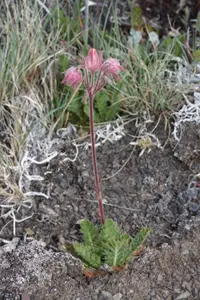
Prairie smoke (Geum triflorum) is a small, long-lived perennial from North American prairies and open meadows. It forms low mounds of fern-like, gray-green foliage. In spring, it sends up nodding, reddish-pink flowers that develop into feathery seed heads, giving the plant its smoky appearance. Plants spread slowly to form tidy clumps rather than aggressive patches. This species is adapted to dry, sunny sites with well-drained, often rocky or sandy soils. It tolerates drought once established, which makes it suitable for low-water gardens if you understand how to care for prairie smoke.

Care Difficulty
Moderate Care

Light Preference
Full Sun

Water Requirements
Low Water

Temperature Preference
Cold Hardy

Hardiness Zone
3–7

Soil Texture
Sandy, Loamy, Rocky

Soil pH
Slightly acidic (6.5–7.0), Neutral (7.0)

Soil Drainage
Well-drained

Fertilization
Minimal (feed rarely)
Scan your plant to receive care tips personalized for your specific plant
Available on iOS and Android
This sun-loving perennial forms best flowers and seed plumes in open, bright locations.
This species prefers evenly moist, fast-draining soil rather than constant wetness or prolonged drought.
This hardy prairie perennial is adapted to cold winters and cool to warm growing seasons.
Humidity is rarely a concern for Geum triflorum, which is adapted to dry prairie air.
Geum triflorum prefers lean, well-drained, slightly dry soils that do not stay wet after rain or watering.
This species can be grown in containers if the pot is set up to mimic its naturally dry, fast-draining conditions.
This dry prairie native needs only light feeding in most garden soils.
Pruning Geum triflorum is simple and mainly supports plant health and tidy appearance.
This species is usually grown in the ground, so focus on careful transplanting rather than frequent repotting.
Geum triflorum is commonly propagated by seed and by careful division of mature clumps.
This cold-hardy perennial needs minimal winter care in most temperate climates.

Plant Health Check
Not sure what's wrong with your plant? Check your plant's health inside the app.
After flowering, the styles elongate and become feathery, creating the pink, smoky seed heads that give prairie smoke its common name and help wind disperse the seeds over short distances.
This species forms deep, fibrous roots that allow it to tolerate drought and thrive in well-drained, often rocky or sandy prairie soils where many other perennials struggle.
Prairie smoke blooms in spring before many other prairie forbs, providing nectar and pollen to early-emerging native bees and other small pollinators at a critical time of year.

Geum triflorum is considered a characteristic species of North American mixed-grass and shortgrass prairies, and its presence is often used by botanists as an indicator of relatively undisturbed, high-quality native grassland habitat.
Poor flowering usually comes from too much shade, overly rich or wet soil, or plants that are still immature. Deadhead spent flowers and avoid high-nitrogen fertilizer. Consistent conditions over several seasons are often needed before full displays appear.
Keep your plants happy and healthy with plant identification, disease detection, and easy care guidance.