


Support Slender Stems
In exposed or windy sites, insert small twiggy branches or low wire hoops around the clump early in the season so the fine stems lean on them instead of snapping or lodging after rain.

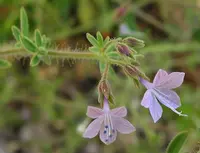
Sticky false gilyflower (Allophyllum glutinosum) is a small annual wildflower in the bellflower family, valued for its airy, branching habit and delicate clusters of pale to bright purple blooms. The stems and buds often feel slightly sticky, which helps the plant trap small particles and gives it its common name.
It is native to dry, open habitats in western North America, especially California foothills and rocky slopes. The plant grows quickly from seed, completes its life cycle in one season, and tends to reseed in suitable conditions.
This species favors full sun, low to moderate moisture, and well-drained, often sandy or rocky soil, which makes care for sticky false gilyflower relatively straightforward in similar garden settings.

Care Difficulty
Moderate Care

Light Preference
Full Sun

Water Requirements
Moderate Water

Temperature Preference
Cool Climate

Hardiness Zone
6–9

Soil Texture
Sandy, Loamy, Rocky

Soil pH
Acidic (5.5–6.5), Slightly acidic (6.5–7.0)

Soil Drainage
Well-drained

Fertilization
Minimal (feed rarely)
Scan your plant to receive care tips personalized for your specific plant
Available on iOS and Android
Allophyllum glutinosum grows best in bright outdoor sites with mild sun exposure.
This species prefers evenly moist but not saturated soil during its main growth and flowering period.
This plant favors mild, temperate conditions and dislikes hard frost or extreme heat.
This annual wildflower handles 30–50% humidity comfortably and rarely needs special humidity management.
Allophyllum glutinosum prefers light, well-drained soil that mimics its native dry, open habitats.
This species is suitable for container growing outdoors when provided with sharp drainage and modest moisture.
This native annual usually needs little feeding in typical garden soils, but light fertilization can support flowering in sticky false gilyflower.
Pruning needs for Allophyllum glutinosum are minimal and focus on tidiness and flower production.
This species is usually grown as a seasonal bedding or wildflower, so transplanting is more important than long-term repotting cycles.
Most Allophyllum glutinosum plants are raised from seed, which is straightforward in suitable conditions.
This annual wildflower completes its life cycle in one season and normally needs no special winter care.

Plant Health Check
Not sure what's wrong with your plant? Check your plant's health inside the app.
The stems and calyx of this species are covered with glandular hairs that exude a sticky secretion, which traps small insects and debris, likely helping reduce herbivory and fungal spores on delicate floral tissues.
It behaves as a small, quick-growing summer annual in its native California chaparral and foothill habitats, completing its life cycle rapidly before the hottest, driest part of the season intensifies.
This species is naturally restricted to parts of California and southwestern Oregon, where it favors dry, open slopes and rocky or sandy soils within oak woodland, chaparral, and coniferous forest openings.
This species behaves as a short-lived perennial or biennial in mild, frost-free climates, but is often grown as an annual elsewhere. Many gardeners re-sow it each year for reliable flowering and consistent vigor.
Keep your plants happy and healthy with plant identification, disease detection, and easy care guidance.

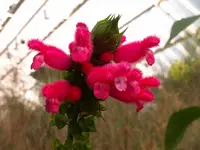
Bolivian hummingbird sage
Salvia oxyphora
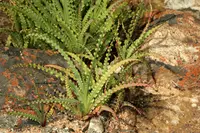
Crisp Plumeiris
Tritonia undulata
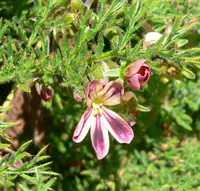
Night-Scented Pelargonium
Pelargonium triste
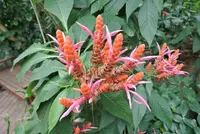
Aphelandra sinclairiana
Aphelandra sinclairiana
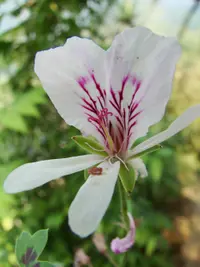
Regal geranium
Pelargonium grandiflorum
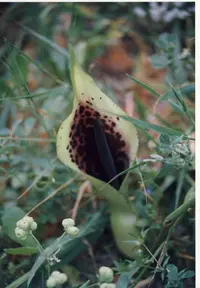
Dioscorides Arum
Arum dioscoridis
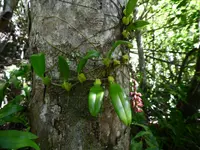
Bulbophyllum incurvum
Bulbophyllum incurvum
Prosthechea ochracea
Prosthechea ochracea