Dioscorides Arum Care (Arum dioscoridis)

Dioscorides Arum

About Dioscorides Arum

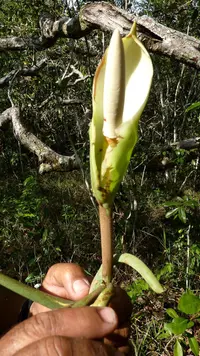
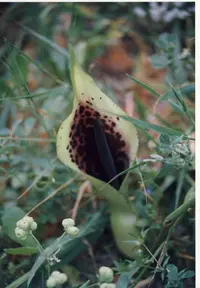
Dioscorides arum (Arum dioscoridis) is a tuberous perennial from the eastern Mediterranean, valued mainly as a botanical curiosity rather than a typical garden ornamental. It produces dramatic hooded flower structures with a central spadix, often mottled in dark purple and green, followed by upright clusters of bright red berries as the foliage dies back.

This species grows naturally in rocky, well-drained habitats and light woodland, where winters are mild and summers are dry. It has a strong, often unpleasant flower scent that attracts pollinating insects, which some growers may find challenging indoors. To care for Dioscorides Arum successfully, it helps to mimic its seasonal rhythm with moist, cool growth periods and a relatively dry summer rest.

Main Plant Requirements

Care Difficulty

Moderate Care

Light Preference

Partial Shade

Water Requirements

Moderate Water

Temperature Preference

Warm Climate

Hardiness Zone

7–9

Soil Texture

Loamy, Sandy, Organic-rich

Soil pH

Slightly acidic (6.5–7.0), Neutral (7.0)

Soil Drainage

Moist but well-drained

Fertilization

Minimal (feed rarely)

Get Personalized Care Plan

Scan your plant to receive care tips personalized for your specific plant

Available on iOS and Android

How to Care for the Dioscorides Arum

This species prefers bright, indirect light with some direct sun during cooler hours.

  • Provide 3–5 hours of gentle morning sun with dappled or filtered light the rest of the day, especially in spring when leaves are actively growing.
  • Give partial shade in hot climates; protect Dioscorides Arum from strong midday and afternoon sun that can scorch foliage and dry soil too quickly.
  • In summer, increase shade if leaf edges bleach or crisp; in low light, expect weaker growth and fewer flowers, so consider a brighter, east-facing position.

Arum dioscoridis prefers evenly moist but not saturated soil during its active growth period.

  • During spring growth and flowering, water when the top 3–5 cm of soil feel dry, aiming for consistently moist, crumbly soil, not soggy or muddy.
  • Ensure sharply draining soil; yellowing, limp leaves and a sour smell from the soil indicate overwatering, while drooping, thin leaves and dry soil clumps signal underwatering.
  • Reduce watering sharply or stop once foliage yellows and dies back in summer dormancy, then resume careful watering as new shoots emerge in the next cool season.

This plant favors mild, Mediterranean-style conditions with cool, moist winters and warm, dry summers.

  • Ideal growth occurs around 55–70°F (13–21°C) in the cool season, when leaves and flowers develop most strongly.
  • The tubers tolerate brief drops to about 25°F (-4°C) if soil is well drained, but repeated hard frosts below this can damage or kill them.
  • Plants handle dry summer heat up to about 90°F (32°C) while dormant; in warmer winters, light shade and mulch help buffer temperature swings and protect roots.

This species tolerates a fairly wide humidity range but grows best with moderately moist air.

  • Aim for 40–60% humidity, similar to most heated homes, to support steady leaf growth in Dioscorides Arum.
  • Dry indoor air can cause browning leaf edges and slower growth, especially in warm, bright spots.
  • Increase humidity by grouping pots, placing the container on a pebble tray with water below the pot base, or using a small room humidifier nearby.

Arum dioscoridis prefers loose, humus-rich, well-drained soil that does not stay waterlogged.

  • Use a mix of roughly 50% peat-free compost, 30% mineral grit or coarse sand, and 20% perlite or pumice for structure and drainage.
  • Aim for slightly acidic to neutral pH, about 6.0–7.0, which supports nutrient availability without causing leaf burn or chlorosis.
  • Ensure the mix is crumbly and airy so tubers and roots receive oxygen and excess water can drain quickly.
  • Avoid heavy clay, compacted ground, or soil that stays wet for more than 1 day after watering, as this promotes rot.

This species adapts well to container growing when the pot and medium are chosen to prevent tuber rot.

  • Select a pot deep enough to accommodate tubers with at least 5–8 cm of mix beneath them to buffer against rapid drying.
  • Choose a heavy terracotta or ceramic container outdoors to keep the tall inflorescences stable in wind.
  • Ensure multiple drainage holes and keep a coarse gravel or chunky bark layer at the base so water exits quickly after rain or irrigation.

This tuberous aroid is modest in its nutrient needs but responds well to light feeding in active growth.

  • Use a balanced, diluted liquid fertilizer (for example 10-10-10 at 1/2 strength) every 4–6 weeks in spring while shoots and leaves of Arum dioscoridis develop.
  • Alternatively, top-dress with a thin layer of mature compost around the clump, keeping it off the stems and tubers.
  • Stop feeding once foliage begins yellowing and the plant heads into summer dormancy, and avoid fertilizing completely in winter.

Pruning needs for Arum dioscoridis are minimal and focus on hygiene rather than shaping.

  • Cut off spent flower spikes at the base once they collapse, using clean, sharp hand pruners to reduce mess and disease risk.
  • Remove yellowing or damaged leaves during or after flowering to maintain a tidy clump and improve air flow.
  • Allow healthy foliage to remain until it dies back naturally, since leaves feed the tuber and support future flowering.

This species is usually grown as a hardy garden perennial, with transplanting done infrequently and with care.

  • Transplant clumps in late summer to early autumn, once foliage has fully died back and tubers are dormant.
  • Lift and divide crowded clumps every 3–5 years, handling the tubers gently to avoid breakage and moisture loss.
  • Check container-grown plants for roots circling the pot or poor growth, then move to a slightly larger container with free-draining soil.
  • Replant tubers at the same depth, water lightly to settle soil, and keep conditions cool and shaded until new growth resumes.

Propagation of this species is most reliable by division of dormant tubers, with seed used mainly for larger-scale growing Dioscorides Arum.

  • Divide tubers in late summer or early autumn when the plant is fully dormant and foliage has disappeared.
  • Use a clean knife to separate offsets with at least one growth eye, then dust cuts with sulfur or fungicide if rot is a concern.
  • Replant divisions in well-drained soil at the original depth, spacing them so future clumps do not crowd each other.
  • Sow fresh seed in deep trays of gritty mix, keep evenly moist and cool, and expect uneven, sometimes slow germination.

This hardy aroid tolerates typical cool-temperate winters once established and needs only light attention in colder regions.

  • In USDA zones around 6–8, dormant tubers usually overwinter in the ground without extra measures if soil drains well.
  • In colder or exposed sites, add a 5–8 cm mulch layer over the root zone after foliage dies back to buffer freeze–thaw cycles.
  • For container plants, move pots into a cold but frost-free spot, such as an unheated garage or porch, to protect tubers from deep freezing.

Care Tips

Plan tuber spacing

When planting, space tubers 25–30 cm apart in groups of 3–5 to create a naturalistic clump that fills in well without overcrowding or increasing rot risk.

Use summer dormancy markers

After foliage dies back in summer, place small, durable labels or gravel markers where tubers sit so you avoid accidental digging or overplanting that can damage them when dormant.

Control self-seeding

If seedlings are not desired, remove the spent flower stalks before berries fully color, using gloves and a bagged disposal to prevent unwanted spread and reduce contact with the irritating sap.

Rotate container plantings

For container-grown plants, rotate pots by 90° every 1–2 weeks during active growth so the foliage develops evenly and the stems do not lean strongly toward one direction.

Protect from heavy canopy

In mixed borders, thin or selectively prune overhanging shrubs or perennials in late winter so new shoots receive enough dappled light and are not shaded out just as they emerge.

Common Pests and Diseases

Aphids

This pest often colonizes the soft flowering stems and undersides of leaves, feeding on sap and causing distortion or sticky honeydew deposits. Symptoms include curled foliage, stunted growth, and sooty mold growing on the honeydew.

Solution

Remove heavily infested flower stalks or leaves and rinse remaining colonies off with a firm stream of water. For persistent infestations, apply an insecticidal soap or neem oil spray to all above‑ground parts, repeating weekly until new growth emerges clean and beneficial insects have regained control.

Spider mites

These insects favor hot, dry conditions and can appear on Arum foliage kept in containers or sheltered spots, causing fine speckling, dull leaves, and delicate webbing between leaf veins. Symptoms include premature yellowing and leaf drop if populations are high.

Solution

Increase humidity around the plant and hose down both sides of the leaves to dislodge mites and webs. In more severe cases, use a miticidal product labeled for ornamental plants, ensuring full leaf coverage and repeating treatments according to label directions while keeping the plant out of hot direct sun during application.

Snails and slugs

This pest is attracted to the fleshy leaves and emerging shoots, especially in moist, shaded planting sites. Symptoms include irregular holes, shredded leaf edges, and slime trails on or around the plant.

Solution

Hand-pick snails and slugs in the evening, use iron phosphate slug pellets around clumps, and reduce hiding places such as dense debris or boards near the crowns. Copper bands around containers and rough, dry mulches can also lower feeding damage on young growth.

Bacterial soft rot

This disease can affect the underground tubers, especially in poorly drained soil or when tubers are injured, leading to foul-smelling, mushy tissue and collapse of leaves. Symptoms include sudden wilting of shoots and brown, water-soaked areas on stored or planted tubers.

Solution

Discard all affected tubers and do not compost them, then replant only firm, healthy tubers into well-drained soil or raised beds. Avoid mechanical damage, disinfect cutting tools, and store lifted tubers in a dry, airy place at moderate temperatures, keeping them separated to prevent spread.

Fungal leaf spot

This disease appears during prolonged damp weather as small brown or purple lesions on leaves that may merge into larger blotches, reducing photosynthesis and overall vigor. Symptoms include spotting concentrated in areas with poor air movement or on leaves that stay wet for long periods.

Solution

Remove and dispose of affected leaves, improve spacing and airflow around clumps, and water at soil level rather than overhead. In sites with recurrent issues, apply a preventive fungicide labeled for ornamental leaf spots at the start of wet periods, and keep fallen plant debris cleaned up after the foliage dies back.

Interesting Facts

Heat‑boosted scent

The spadix of this species warms up during flowering, a process called thermogenesis, which helps volatilize its carrion-like scent and attract fly pollinators more efficiently.

Deceptive pollination trap

The flower structure temporarily traps visiting flies inside the floral chamber using slippery inner surfaces and hairs, releasing them only after pollen is shed so they can carry it to another inflorescence.

Mediterranean specialist

Arum dioscoridis is naturally distributed in the eastern Mediterranean, including parts of Greece, Turkey, Cyprus, Syria, Lebanon, and nearby regions, where it grows in rocky, seasonally dry habitats and light woodland.

Botan icon

Did you know?

Despite its foul odor and dramatic purple‑black patterned spathe, Arum dioscoridis was historically collected and described in detail by early botanists studying the flora of the eastern Mediterranean, and it remains an important reference species for understanding pollination by carrion‑attracted flies in the arum family.

FAQs about Dioscorides Arum

This species spreads slowly by underground tubers and sometimes self-seeds, forming loose clumps rather than dense colonies. It is not usually considered aggressive but can naturalize over time if conditions are favorable and soil is not disturbed.

Grow Healthy Plants with Botan Care

Keep your plants happy and healthy with plant identification, disease detection, and easy care guidance.

Botan plant care app — identify plants on mobile

Explore More Plants