Windbreak planning
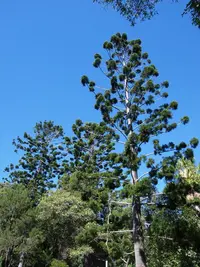
In open or coastal sites, establish a windbreak or plant near a solid fence to reduce strong winds that can snap young branches and scar fruit when growing abiu outdoors.

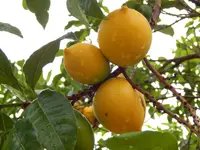
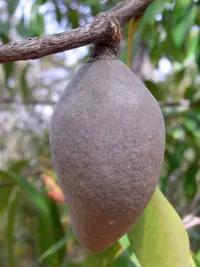
Abiu, Pouteria caimito, is a tropical evergreen fruit tree from the Amazon region, now grown in many warm, humid climates. It forms a medium-sized tree with glossy green leaves and round, yellow fruits with sweet, translucent pulp.
This species prefers consistently warm temperatures, protection from frost, and moderate humidity, which can make it challenging outside true tropical or subtropical areas. It grows best in full sun, with shelter from strong winds, and in well-drained, slightly acidic soil.
For gardeners in suitable climates, learning how to care for abiu focuses mainly on providing warmth, moisture, and good drainage from a young stage so the tree can establish well.

Care Difficulty
Moderate Care

Light Preference
Full Sun

Water Requirements
Regular Water

Temperature Preference
Tropical / Frost Sensitive

Hardiness Zone
10–12

Soil Texture
Sandy, Loamy, Organic-rich

Soil pH
Acidic (5.5–6.5), Slightly acidic (6.5–7.0)

Soil Drainage
Moist but well-drained

Fertilization
Light (every 4–6 weeks)
Scan your plant to receive care tips personalized for your specific plant
Available on iOS and Android
Pouteria caimito prefers bright, direct sun in warm climates but benefits from some protection in very intense conditions.
Pouteria caimito needs consistently moist, well-drained soil without prolonged drying or standing water.
This species thrives in warm, frost-free climates and is sensitive to both cold snaps and extreme heat.
This species prefers moderately high humidity and reacts to very dry air.
Pouteria caimito prefers a deep, well‑structured, slightly acidic, free‑draining substrate.
This tree can be grown in large containers for several years if root space and stability are managed carefully.
Abiu benefits from moderate feeding to support steady growth and fruiting in suitable climates.
Pruning Pouteria caimito helps maintain a strong framework and manageable size while improving light penetration.
This tree is usually grown in the ground, so focus on careful transplanting of young plants rather than frequent repotting.
Pouteria caimito is mainly propagated by seeds, with grafting sometimes used to improve fruit quality and uniformity.
This tropical fruit tree is highly frost-sensitive and needs careful winter management outside frost-free climates.

Plant Health Check
Not sure what's wrong with your plant? Check your plant's health inside the app.
The tree produces a white, sticky latex in its bark, leaves, and unripe fruits, a common feature in the Sapotaceae family that helps seal wounds and deter some herbivores, so the fruit is usually eaten only when fully ripe and less gummy.
Ripe abiu fruits have a clear to translucent, jelly-like pulp with a mild, sweet flavor and a texture often compared to a soft gelatin dessert, which is unusual among commonly cultivated tropical fruit trees.
This species is native to the lowland rainforests of the western Amazon basin, where it grows as a medium-sized canopy tree in warm, humid conditions with little seasonal temperature change.

In some parts of the Amazon region, abiu has traditionally been planted near homes and along paths not only as a fruit source but also as a marker tree, because its smooth gray bark, dense rounded crown, and distinctive yellow fruits make it easy to recognize from a distance even in dense vegetation.
Growth is moderate under warm, frost-free conditions. Young trees often add 30–60 cm per year, faster in the ground than in containers. Adequate water, balanced fertilizer, and consistent warmth noticeably increase extension growth and trunk thickening.
Keep your plants happy and healthy with plant identification, disease detection, and easy care guidance.