Florida Yew Care (Taxus floridana)

Florida Yew

About Florida Yew

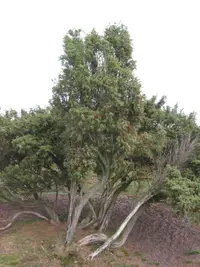
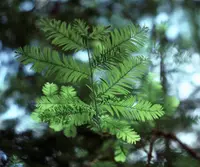
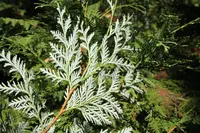
Florida yew, Taxus floridana, is a rare, slow-growing evergreen shrub or small tree native to shaded ravines in the Florida Panhandle. It typically forms dense, upright clumps with dark green, needle-like foliage and a compact, somewhat irregular outline.

This species is highly localized in the wild and is considered endangered, so it is seldom seen in ordinary landscapes. It can be challenging to grow because it dislikes heat stress, poorly drained sites, and physical disturbance.

Gardeners who care for Florida Yew need to provide cool, dappled light, consistently moist but well-drained soil, and shelter from harsh wind and direct afternoon sun.

Main Plant Requirements

Care Difficulty

Hard Care

Light Preference

Partial Shade

Water Requirements

Moderate Water

Temperature Preference

Warm Climate

Hardiness Zone

8–9

Soil Texture

Sandy, Loamy, Organic-rich

Soil pH

Acidic (5.5–6.5), Slightly acidic (6.5–7.0)

Soil Drainage

Moist but well-drained

Fertilization

Minimal (feed rarely)

Get Personalized Care Plan

Scan your plant to receive care tips personalized for your specific plant

Available on iOS and Android

How to Care for the Florida Yew

This rare yew prefers bright, gentle light that mimics its shaded woodland habitat.

  • Provide dappled or filtered light under taller trees, with 2–4 hours of soft morning sun and full shade by mid‑afternoon.
  • Avoid harsh midday and late‑afternoon sun, which can scorch needles and dry out soil too quickly, especially in summer.
  • In winter, when deciduous canopies are bare, Florida Yew tolerates more direct light but still benefits from some overhead filtering.

This species prefers evenly moist, not saturated, soil that never stays bone‑dry for long.

  • Water when the top 3–5 cm of soil feel slightly dry, then soak the root zone thoroughly and allow excess to drain away.
  • Use well‑drained, organic‑rich soil; persistent puddling, sour smell, or yellowing, dropping needles suggest overwatering and poor aeration.
  • In hot months, check moisture more often; in cool or rainy seasons, extend intervals and watch for limp, browning needle tips as a sign of underwatering in Taxus floridana.

This yew is adapted to mild, humid climates with limited temperature extremes.

  • Aim for 60–80°F (16–27°C) for active growth, with steady moisture and some shade to keep roots cool.
  • Mature plants can tolerate brief drops to about 20°F (−6°C), but young plants benefit from mulch to buffer sudden cold snaps.
  • Prolonged heat above 90°F (32°C), especially with dry soil and full sun, stresses the plant, so provide shade and consistent moisture through hot summers.

This species is adapted to outdoor conditions and does not have special humidity requirements in cultivation.

Taxus floridana prefers cool, moist, well-aerated mineral soil that never stays waterlogged.

  • Use a loamy to sandy-loam soil enriched with modest organic matter to support root health without becoming heavy.
  • Aim for slightly acidic to neutral pH around 6.0–7.0, avoiding strongly alkaline substrates that can limit nutrient availability.
  • Improve drainage and aeration by mixing in coarse sand, fine gravel, or pine bark, especially in compact or clay-based soils.
  • Avoid sites where water stands after rain, as prolonged saturation encourages root rot and decline.

This yew is generally not ideal for long-term container culture but can be grown in large outdoor pots for a time.

  • Choose a deep, heavy container that resists tipping and allows the slow-growing but eventually extensive root system to anchor well.
  • Use a very free-draining potting mix over a coarse drainage layer so excess water moves quickly away from the root zone.
  • Position the container where runoff does not re-enter the pot, since repeated rewetting around the base can keep roots too wet.

This slow-growing conifer needs minimal feeding, but light fertilization can support container or stressed plants.

  • Use a balanced slow-release fertilizer (around 10-10-10) or a thin layer of well-rotted compost in early spring.
  • Apply once per growing season for in-ground plants; containers may benefit from a second, light midsummer dose.
  • Dilute liquid fertilizers to 1/2 strength to avoid salt buildup and root burn.
  • Avoid feeding Taxus floridana in late fall or winter to prevent soft, frost-sensitive growth.

Pruning helps maintain structure and health without heavy shaping for this naturally dense yew.

  • Carry out light pruning in late winter to early spring before new growth starts.
  • Remove dead, damaged, crossing, or crowded branches first to improve airflow and reduce disease risk.
  • Use sharp, clean bypass pruners to make precise cuts just above a bud or side branch.
  • Limit cuts into old, bare wood, as heavy removal can slow recovery in Taxus floridana.

This species is usually grown in the ground, so focus on careful transplanting rather than frequent repotting.

  • Transplant in late fall or early spring when temperatures are mild and the plant is less active.
  • Look for roots circling the container, water running straight through, or stalled growth as signs a potted plant needs a larger container.
  • Move up only 1 pot size, gently loosen circling roots, and keep the root ball intact to limit stress.
  • Water thoroughly after transplanting, then maintain even moisture and partial shade for 1–2 weeks to support root recovery.

Propagation of this rare yew is possible but slow and usually left to specialists or conservation programs.

This evergreen is adapted to mild winters and often needs only basic care in its native range.

  • Taxus floridana tolerates light frost but may suffer in prolonged hard freezes below its normal climate range.
  • Apply a 5–8 cm mulch layer around the root zone, keeping it slightly away from the trunk, to moderate soil temperature.
  • For container plants in cooler regions, move pots to a sheltered, frost-free but bright spot during cold spells.

Care Tips

Root-zone mulching

Apply a 5–8 cm layer of pine bark or leaf mold over the root zone, keeping mulch 5–8 cm away from the stem to stabilize soil moisture and protect the very shallow roots from heat and mechanical damage.

Wind and weight support

In exposed sites, install low, discreet staking or a windbreak fence on the prevailing-wind side to reduce branch breakage and root rock, especially on young plants with still-developing anchoring roots.

Careful soil disturbance

Avoid digging, edging, or turf renovation within at least a 1–1.5 m radius of the trunk, since disturbance or compaction of the fibrous root system can cause slow decline over several seasons.

Wildlife and human safety

Label the plant clearly and avoid placing benches, play areas, or livestock access nearby, because all parts are toxic if ingested and clippings should always be collected and removed rather than left on the ground.

Low-stress transplantation

When transplanting established specimens, root-prune 6–12 months in advance and move them only during the coolest part of the year, keeping the root ball wrapped and shaded to reduce transplant shock when growing Florida Yew.

Common Pests and Diseases

Scale insects

This pest feeds on stems and needles, causing yellowing, thinning foliage, and overall decline in vigor. Symptoms include small, dome-shaped bumps along twigs that may exude sticky honeydew.

Solution

Prune and discard heavily infested twigs, then wash remaining stems and needles with a firm stream of water. For persistent infestations, apply a targeted horticultural oil during the crawler stage, ensuring thorough coverage of twigs and undersides of needles while monitoring for beneficial insects.

Armillaria root disease

This disease, caused by Armillaria fungi, leads to gradual decline, thinning foliage, branch dieback, and eventual plant death, especially in stressed or shaded specimens. Symptoms include white fungal mycelium under the bark near the root collar and possible honey-colored mushrooms at the base in wet seasons.

Solution

Remove severely infected plants including as much of the root system and surrounding woody debris as possible, and avoid replanting highly susceptible species in the same spot. Improve site drainage, avoid overwatering or soil compaction, and maintain plant vigor through proper mulching and moderate, not excessive, fertilization.

Botryosphaeria canker

This disease causes dieback of branches, scattered dead twigs, and sunken, discolored areas on stems, often following drought or mechanical injury. Symptoms include brown, dead inner bark beneath the outer surface and resin or sap exudation on affected stems.

Solution

Prune out affected branches several inches below visible symptoms during dry weather and disinfect pruning tools between cuts. Reduce plant stress by avoiding drought, limiting pruning wounds, and preventing trunk or bark injury, and improve airflow around plants so stems dry quickly after rain.

Needle blight

This disease causes browning and shedding of older needles, often starting in the lower, inner parts of the plant where humidity is higher and air movement is poor. Symptoms include banded or blotchy discoloration on needles and a progressively thin, bare interior canopy.

Solution

Thin dense growth slightly to increase light and airflow, and avoid overhead irrigation that keeps foliage wet for long periods. Remove and discard fallen needles and severely affected branches, and in high-pressure sites consider a registered fungicide program applied in spring when new growth emerges, following local extension or label guidance.

Spider mites

These insects are tiny sap-feeding arachnids that cause fine stippling, a dull or bronzed appearance of needles, and possible webbing on inner foliage during hot, dry periods. Symptoms include premature needle drop and a dusty look to affected branches.

Solution

Rinse foliage thoroughly with water, focusing on inner branches and needle undersides, on a regular schedule during dry weather to dislodge mites. If populations remain high, use insecticidal soap or a horticultural oil labeled for conifers, applied in the early morning or evening to avoid leaf burn, and encourage natural predators by minimizing broad-spectrum insecticides.

Interesting Facts

Extremely narrow range

This species is naturally restricted to a short stretch of ravines and bluffs along the east side of the Apalachicola River in Florida, making it one of the most geographically localized conifers in North America.

Shade-adapted conifer

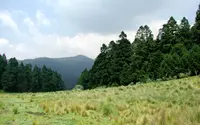
Unlike many conifers that prefer open sun, this yew is adapted to deep shade on steep, north-facing slopes under hardwood forest canopies, where it grows slowly but can persist for many years.

Threatened by erosion

Natural bank erosion and landslides along the Apalachicola River can uproot or bury entire colonies, so population loss is driven not only by human activity but also by the instability of its specialized river bluff habitat.

Botan icon

Did you know?

Florida yew is one of the few North American conifers that naturally reproduces mostly by layering, where low branches in contact with the soil root themselves and form new stems genetically identical to the parent plant.

FAQs about Florida Yew

All parts of this species except the fleshy red aril are highly toxic to people, cats, dogs, and livestock. Ingestion can cause serious heart and nervous system problems. Plant it where children and animals cannot access it.

Grow Healthy Plants with Botan Care

Keep your plants happy and healthy with plant identification, disease detection, and easy care guidance.

Botan plant care app — identify plants on mobile

Explore More Plants