Himalayan birch Care (Betula alnoides)

Also known as: Indian Birch, Saur
Himalayan birch

About Himalayan birch

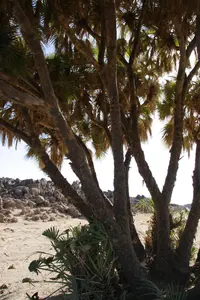
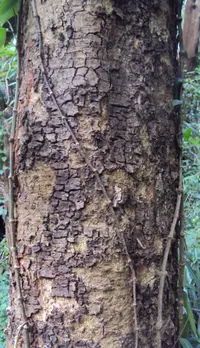
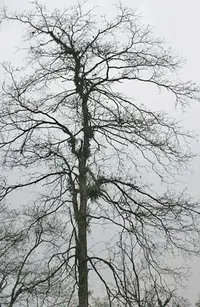
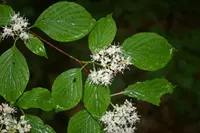
Himalayan birch, Betula alnoides, is a medium to large deciduous tree valued for its smooth bark and light, airy canopy. It is part of the birch family and typically forms an upright, elegant crown.

This species is native to the Himalayan region and parts of Southeast Asia, where it grows in cool to mild climates, often in montane forests. It prefers well-drained, slightly acidic soils with consistent moisture but does not tolerate prolonged drought or waterlogging.

Growth is moderately fast when conditions are suitable, yet it can be more demanding in hotter, drier lowland sites. Gardeners who learn how to care for Himalayan birch usually focus on providing adequate moisture, protection from extreme heat, and space for its mature height and spread.

Main Plant Requirements

Care Difficulty

Moderate Care

Light Preference

Full Sun

Water Requirements

Regular Water

Temperature Preference

Warm Climate

Hardiness Zone

9–11

Soil Texture

Loamy, Silty, Organic-rich

Soil pH

Acidic (5.5–6.5), Slightly acidic (6.5–7.0)

Soil Drainage

Moist but well-drained

Fertilization

Minimal (feed rarely)

Get Personalized Care Plan

Scan your plant to receive care tips personalized for your specific plant

Available on iOS and Android

How to Care for the Himalayan birch

This fast-growing birch prefers bright, open sites with consistent sun exposure.

  • Provide 6–8 hours of direct sun daily; in hotter regions, prioritize strong morning sun with light afternoon shade to reduce leaf scorch.
  • Tolerates light partial shade, but Himalayan birch develops stronger trunks and better autumn color in full sun on a wide, unshaded site.
  • In the first 2–3 years, avoid dense shade from nearby trees or structures, as low light leads to sparse branching and weak, leaning growth.

This species prefers steadily moist but not saturated soil, especially while establishing.

  • In the ground, aim for soil that stays evenly moist to 10–15 cm depth, allowing the top 2–3 cm to dry slightly between thorough soakings.
  • Increase watering during hot, dry spells when leaves start to lose gloss or droop slightly by late afternoon, then recover by evening.
  • Avoid standing water or heavy clay without amendments; yellowing leaves, dieback, and persistent surface wetness indicate overwatering or poor drainage for Betula alnoides.

This tree prefers warm, frost-free to only lightly frosty climates with mild winters.

  • Optimal growth occurs around 68–86°F (20–30°C); young trees establish best where spring and summer temperatures stay in this range.
  • Mature trees tolerate brief drops to about 28°F (−2°C), but repeated hard frosts below 26°F (−3°C) can damage new shoots and thin bark.
  • Handles summer heat up to about 95°F (35°C) if soil moisture is maintained; prolonged hotter periods increase stress and raise watering needs.

This species prefers moderate ambient humidity but adapts to many outdoor conditions if soil moisture is stable.

  • Aim for 40–60% humidity, which is typical of many temperate outdoor sites with consistent soil moisture.
  • Tolerates short dry-air spells, but prolonged hot, dry winds increase leaf edge browning and premature leaf drop.
  • In exposed sites, reduce humidity stress by mulching the root zone and installing windbreaks or companion shrubs rather than misting foliage.

Betula alnoides grows best in deep, well-aerated, moist but freely draining soil.

  • Use a loamy, organic-rich structure with visible aggregates so roots receive both moisture and ample air spaces.
  • Aim for slightly acidic to neutral pH around 5.5–7.0 to support nutrient uptake and healthy mycorrhizal fungi.
  • Blend garden loam with coarse sand and composted bark or leaf mold to improve drainage while retaining steady moisture.
  • Avoid compacted clay, waterlogged hollows, and extremely alkaline substrates, which promote root rot and nutrient deficiencies.

This tree is only suitable for short-term container growing because it develops a large, vigorous root system.

  • Choose a tall, heavy container to reduce tipping as the trunk extends and the crown becomes wind-sensitive.
  • Use a coarse, bark-based mix to keep the root zone oxygenated and prevent chronic saturation after rain or irrigation.
  • Position the container where it is sheltered from strong winds that can lever the root mass against the pot walls and cause instability.

Betula alnoides benefits from light, balanced feeding when grown in managed landscapes or containers, but mature trees in fertile ground often need little added fertilizer.

  • Use a balanced, slow-release fertilizer (for example 10-10-10) or well-rotted compost spread thinly over the root zone in spring.
  • Feed once in early spring and, if growth is weak, again in midsummer during the active growing season.
  • Apply at half the label rate for trees, keeping granules or compost away from direct contact with the trunk.
  • Stop feeding in late summer so new growth hardens before winter, and avoid any fertilization in winter dormancy.

Betula alnoides responds well to light structural pruning aimed at safety, clearance, and a stable crown.

  • Carry out main pruning in late winter to very early spring, before active sap flow and new leaf growth.
  • Remove dead, diseased, crossing, or storm-damaged branches first to improve health and reduce future breakage risk.
  • Thin crowded interior shoots selectively rather than topping, which preserves natural form and strong branch attachments.
  • Use clean, sharp bypass pruners or a pruning saw, making smooth cuts just outside the branch collar without leaving stubs.

This species is usually grown in the ground, so care focuses on correct transplanting of Betula alnoides from nursery containers or field stock.

  • Transplant in late winter to early spring while the tree is dormant and soil is workable, reducing water stress and transplant shock.
  • Look for roots circling the pot or dense root mats emerging from drainage holes as signs that a container-grown tree is ready to move.
  • At planting, gently tease out circling roots, plant at the same depth as in the container, and backfill with native soil rather than rich mixes.
  • Water deeply after transplanting, then maintain consistent moisture and a 5–8 cm mulch layer over the root zone, keeping mulch off the trunk.

Sexual propagation from seed is most common for Betula alnoides, while vegetative methods are more technical and used less often by home growers.

  • Collect ripe seed in late summer to autumn, then store cool and dry until sowing.
  • Provide a cold stratification period of about 6–8 weeks at 34–41°F to break seed dormancy and improve germination.
  • Sow seeds on the surface of a moist, free-draining mix, pressing lightly without deep burial, and maintain bright, indirect light.
  • Keep humidity moderate and temperature around 60–70°F, ventilating trays to limit fungal issues as seedlings establish.

This warm-temperate to subtropical birch is less cold-hardy than many northern birch species and may need winter attention in cooler climates.

  • In areas with regular frost below about 20–25°F, grow Betula alnoides in a sheltered microclimate or as a container specimen.
  • Apply a 5–8 cm layer of organic mulch over the root zone in late autumn to moderate soil temperature and moisture swings.
  • For young trees, use breathable trunk wraps or guards to reduce bark damage from sudden freezes and winter sunscald.
  • Move container-grown plants into an unheated but frost-sheltered space, such as a cold greenhouse or bright garage, during severe cold spells.

Care Tips

Train a clear leader

In the first 3–5 years, select one strong upright stem as the main leader and remove or shorten competing vertical shoots in late winter to develop a stable, storm-resistant trunk.

Protect from bark scorch

On young trees in hot, exposed sites, wrap the southwest-facing trunk with a breathable tree wrap or use temporary shade cloth during the first 2–3 summers to reduce bark cracking and sunscald.

Mulch for root cooling

Maintain a 5–8 cm layer of coarse organic mulch in a wide ring, kept a few cm away from the trunk, to keep roots cool, conserve moisture, and suppress weeds without causing rot.

Monitor for bronze borers

Inspect the trunk and main branches twice a year for D-shaped exit holes, dieback, or thinning foliage, and remove and destroy affected branches early to limit spread of borers that target stressed birches when growing Himalayan birch.

Plan for rapid growth

Allow generous spacing from buildings, power lines, and other trees and stake only if necessary for 1–2 seasons, orienting stakes low and loose so the trunk can flex and develop strong taper as it matures.

Common Pests and Diseases

Leaf rust

This disease causes yellow to orange powdery spots on leaves that can merge and lead to early leaf drop, especially in warm, humid conditions common in Himalayan birch areas.

Solution

Prune and destroy heavily infected leaves, improve airflow through the canopy, avoid overhead irrigation, and, in high-value plantings, apply a registered copper- or triazole-based fungicide at the first sign of spots according to label directions.

Powdery mildew

This disease produces a white to gray, powdery film on young leaves and shoots, which can cause distortion, reduced growth, and premature leaf drop in Betula alnoides.

Solution

Thin crowded branches, reduce shade if possible, avoid wetting foliage late in the day, and use a sulfur or potassium bicarbonate fungicide on new growth where powdery coating appears repeatedly.

Leaf spot

Symptoms include small dark brown to black spots that may develop pale halos and merge into larger dead areas, often starting on lower, denser parts of the crown in moist conditions.

Solution

Collect and discard fallen leaves, prune to open the canopy, water at soil level, and, if leaf loss recurs annually, use a broad-spectrum foliar fungicide in early rainy periods to protect new leaves.

Bark borers

These insects tunnel into stems and trunks, leaving small round exit holes, frass (sawdust-like material), and sometimes localized dieback of branches in stressed or young Himalayan birch trees.

Solution

Promptly prune and destroy infested branches, keep trees vigorous with proper watering and mulching, avoid mechanical trunk injury, and in high-risk areas consider trunk-protectant systemic insecticides timed to adult flight if allowed locally.

Aphids

These insects cluster on young shoots and leaf undersides, sucking sap and producing honeydew that can lead to sooty mold on leaves and nearby surfaces.

Solution

Spray colonies off with a strong stream of water, encourage natural predators such as lady beetles, and, if populations remain high, treat new growth with insecticidal soap or a light horticultural oil, ensuring full coverage of leaf undersides.

Interesting Facts

Evergreen birch species

Unlike most birches from temperate regions, this species is typically evergreen or semi-evergreen in its native subtropical to tropical habitats, retaining foliage for much of the year rather than dropping all leaves seasonally.

High-elevation range

This tree naturally occurs in montane forests from roughly 900–2,000 m elevation across parts of the eastern Himalayas and Southeast Asia, where it forms part of mixed broadleaf forests on moist, well-drained slopes.

Commercial timber source

In several Asian countries it is managed as a plantation or selectively logged species, valued for its moderately hard, fine-textured wood used in furniture, interior construction, and plywood.

Botan icon

Did you know?

Genetic studies have shown that this species is closely related to other Asian birches in the section Acuminatae and helps clarify how birch lineages adapted from temperate to subtropical and tropical montane climates over evolutionary time.

FAQs about Himalayan birch

This tree is considered moderately fast-growing, typically adding 30–60 cm of height per year in suitable conditions. Growth slows with age, in poorer soils, or under heat or drought stress compared with its preferred cool, moist climate.

Grow Healthy Plants with Botan Care

Keep your plants happy and healthy with plant identification, disease detection, and easy care guidance.

Botan plant care app — identify plants on mobile

Explore More Plants