Windfirm training
In the first 2–3 years, selectively head back the leader and lightly thin crowded side branches to encourage a broad, low, wind-resistant canopy rather than a tall, whippy trunk that snaps in storms.

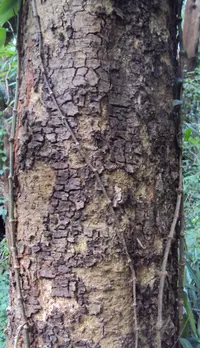
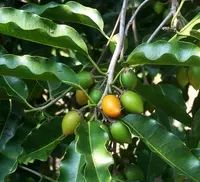
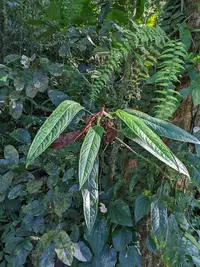
Chinese albizia (Albizia chinensis) is a fast-growing deciduous tree from tropical and subtropical Asia. It typically develops a broad, spreading crown with fine, feathery foliage. The leaves are bipinnate, giving the canopy a light, airy look, and the tree produces clusters of fluffy, cream to yellowish flowers. In nature it occurs from India through Southeast Asia, often in warm lowland areas and along roadsides. It can be relatively easy to grow in suitable climates but needs space, warmth, and well-drained soil. Understanding how to care for Chinese albizia starts with knowing it prefers full sun, moderate moisture, and protection from severe frost.

Care Difficulty
Moderate Care

Light Preference
Full Sun

Water Requirements
Moderate Water

Temperature Preference
Tropical / Frost Sensitive

Hardiness Zone
10–12

Soil Texture
Sandy, Loamy, Clay

Soil pH
Slightly acidic (6.5–7.0), Neutral (7.0)

Soil Drainage
Well-drained

Fertilization
Minimal (feed rarely)
Scan your plant to receive care tips personalized for your specific plant
Available on iOS and Android
This fast-growing tree needs high light to form a full canopy and strong branching.
This species prefers steadily moist, well-drained soil while it is establishing, then becomes more drought-tolerant.
This warm-climate tree grows best in consistently mild to hot conditions without hard frost exposure.
This species tolerates a wide humidity range but grows best with moderate ambient moisture.
Albizia chinensis prefers loose, well-structured soil that drains quickly yet retains some moisture.
This species can be grown in containers when young, but requires careful management due to its eventual size.
Albizia chinensis benefits from light, targeted feeding during active growth but often manages on modest soil fertility outdoors.
Pruning Albizia chinensis helps maintain a stable framework, safe clearance, and good light penetration through the canopy.
This fast-growing tree is usually transplanted from nursery containers to the ground rather than maintained long term in pots.
New Albizia chinensis plants are most often raised from seed, with cuttings used less frequently.
This species prefers frost-free to mild winter climates and may suffer damage in colder regions.

Plant Health Check
Not sure what's wrong with your plant? Check your plant's health inside the app.
This species forms root nodules with symbiotic bacteria that fix atmospheric nitrogen, improving soil fertility and often enriching degraded tropical sites where it is planted.
Albizia chinensis can reach 15–25 m with a broad, spreading crown, and is widely used in South and Southeast Asia as a quick shade tree for tea, coffee, and cacao plantations.
Its finely divided, bipinnate leaves create a soft, feathery canopy and often fold partially in low light or at night, reducing water loss and light interception when photosynthesis is not active.

Albizia chinensis is frequently used in multi-strata agroforestry systems, where its light-filtering canopy, leaf litter, and nitrogen enrichment support understory crops and long-term soil structure, making it a key species in sustainable tropical farming designs.
Yellowing leaves usually result from water stress, nutrient deficiency, or root problems. Check for waterlogged or very dry soil, compacted roots, or poor drainage. Correct watering, improve drainage, and apply a balanced fertilizer during active growth.
Keep your plants happy and healthy with plant identification, disease detection, and easy care guidance.