Root zone mulching
Apply a 5–8 cm layer of coarse organic mulch around the drip line, keeping it 5–10 cm away from the trunk, to stabilize soil moisture and temperature and reduce weed competition for young trees.

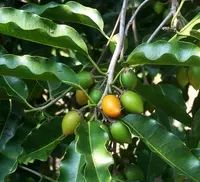
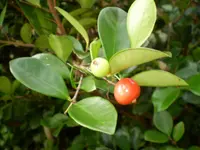
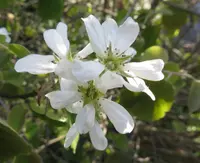
Spanish cherry, Mimusops elengi, is a medium-sized evergreen tree valued for its glossy foliage and highly fragrant, star-shaped white flowers. It often develops a dense, rounded canopy and can be grown as a feature tree in warm, frost-free climates.
This species is native to South and Southeast Asia and is commonly planted along streets, in gardens, and around temples. It prefers warm temperatures, sun to light shade, and well-drained soil.
The tree is generally sturdy and long-lived but is not suitable for cold regions or small indoor spaces. Understanding basic needs such as water, light, and soil helps owners know how to care for Spanish cherry.

Care Difficulty
Moderate Care

Light Preference
Full Sun

Water Requirements
Moderate Water

Temperature Preference
Tropical / Frost Sensitive

Hardiness Zone
10–11

Soil Texture
Sandy, Loamy, Organic-rich

Soil pH
Acidic (5.5–6.5), Slightly acidic (6.5–7.0)

Soil Drainage
Well-drained

Fertilization
Minimal (feed rarely)
Scan your plant to receive care tips personalized for your specific plant
Available on iOS and Android
Mimusops elengi grows best in bright, warm locations with strong but not extreme sun exposure.
Watering for Mimusops elengi should balance consistent soil moisture with good drainage to prevent root problems.
This tropical tree prefers warm, stable temperatures and is sensitive to cold and frost.
This species prefers moderately humid air but usually tolerates typical household conditions.
This tree prefers deep, well-drained, slightly moisture-retentive soil with moderate fertility.
This species can be grown in containers when root space and drainage are carefully managed.
This evergreen tree benefits from modest, consistent feeding during its active growing season.
Mimusops elengi responds well to light structural pruning that maintains a healthy, balanced canopy.
This species is usually grown in the ground and needs transplanting only as young trees outgrow nursery containers.
Reproduction of this tree is usually done from seed, with vegetative methods used more by nurseries than home growers.
This tropical tree is frost-sensitive and needs protection in regions with cool or freezing winters.

Plant Health Check
Not sure what's wrong with your plant? Check your plant's health inside the app.
This species produces small, white, star-shaped flowers that release their strongest fragrance at night, attracting moths and other nocturnal pollinators in its native range.
The wood is very hard, heavy, and fine-grained, which makes it valued in its native regions for items that need high durability such as tool handles and precision carvings.
Mimusops elengi can tolerate coastal wind and some salt exposure, so it is often planted as a windbreak or shade tree in tropical seaside landscapes.

In several parts of South and Southeast Asia, this tree is traditionally planted near temples and in palace gardens because of its long-lived, evergreen canopy and continuous production of highly scented flowers, which are used in religious offerings and ceremonial garlands.
Lack of flowers usually comes from insufficient light, young age, or heavy pruning at the wrong time. Nutrient-poor or very dry soil can also reduce bud formation. Stable warmth and balanced nutrition help restore flowering.
Keep your plants happy and healthy with plant identification, disease detection, and easy care guidance.