Himalayan Fir Care (Abies spectabilis)

Also known as: Webb Fir, East Himalayan fir
Himalayan Fir

About Himalayan Fir

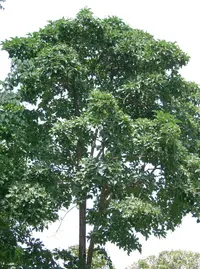
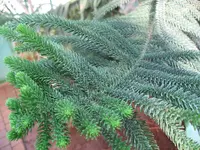
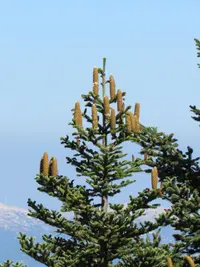
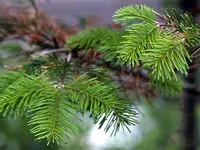
Himalayan fir, Abies spectabilis, is a large, long-lived coniferous tree native to the high mountain forests of the Himalayas. It forms a tall, straight trunk with strong horizontal branches and dense, aromatic needles. The foliage is typically deep green with a silvery underside, and mature trees produce upright, resinous cones high in the crown. In gardens and larger landscapes, it is used mainly as a specimen or shelter tree in cool, moist climates. It prefers cool summers, consistent moisture, and deep, well-drained soil, which can make how to care for Himalayan Fir more demanding in warmer or very dry regions.

Main Plant Requirements

Care Difficulty

Hard Care

Light Preference

Full Sun

Water Requirements

Moderate Water

Temperature Preference

Cold Hardy

Hardiness Zone

5–7

Soil Texture

Loamy, Sandy, Rocky

Soil pH

Strongly acidic (4.5–5.5), Acidic (5.5–6.5)

Soil Drainage

Well-drained

Fertilization

Minimal (feed rarely)

Get Personalized Care Plan

Scan your plant to receive care tips personalized for your specific plant

Available on iOS and Android

How to Care for the Himalayan Fir

This high-altitude fir prefers cool, bright outdoor sites with moderate direct sun.

  • Provide 4–6 hours of direct sun daily, ideally morning sun with light shade or filtered light in the hotter afternoon hours.
  • Tolerates partial shade, but dense shade leads to sparse, elongated growth and reduced vigor in Himalayan Fir.
  • In hot-summer climates, site on an east or north exposure to reduce leaf scorch risk from intense afternoon sun, especially in late spring and summer.

Abies spectabilis needs consistently moist but not saturated soil, especially during establishment.

  • Water when the top 3–5 cm of soil feels slightly dry, soaking the root zone deeply rather than giving light, frequent splashes.
  • Ensure free-draining, slightly acidic soil; prolonged puddling, sour smell, or yellowing needles indicate overwatering and poor drainage.
  • In the first 2–3 years, increase watering during hot, dry spells; mature trees usually cope with natural rainfall but need extra water during extended drought when foliage dulls and lower needles drop.

This species is adapted to cool, mountainous climates and handles significant cold once established.

  • Best growth occurs around 50–70°F (10–21°C), with cool summers and cold, snowy winters supporting strong dormancy.
  • Mature trees tolerate winter lows near -20°F (-29°C) or slightly below; young plants benefit from wind protection and snow cover in very exposed sites.
  • Heat above 85°F (29°C), especially with dry winds, stresses the tree; provide mulch and avoid heat-reflecting locations to reduce root and needle damage during hot spells.

This high-mountain conifer prefers cool, moderately humid air but adapts to 40–60% household humidity if soil moisture is stable.

  • Tolerates brief dry indoor air, but prolonged humidity below 35% can desiccate needles, especially on young Himalayan Fir.
  • Watch for browning needle tips and increased shedding on inner branches as early signs of humidity stress combined with drought.
  • Increase effective humidity by sheltering from strong drying winds, using mulch over the root zone, and avoiding heat sources nearby.

Abies spectabilis needs deep, cool, moist but well-drained soil to develop a stable, healthy root system.

  • Use a loamy, slightly sandy structure with high organic matter, such as a mix of native soil, composted bark, and coarse sand or grit.
  • Aim for slightly acidic to neutral pH around 5.5–7.0, avoiding strongly alkaline soils that can induce nutrient deficiencies and chlorosis (yellowing needles).
  • Improve drainage and aeration in heavier soils by incorporating coarse sand, fine gravel, or pine bark fines through at least the top 20–30 cm.
  • Avoid compacted, waterlogged, or very shallow soils, since standing water around the root collar greatly increases the risk of root rot.

This species is marginally suitable for large, outdoor containers when grown as a temporary or juvenile specimen.

  • Choose a very deep, heavy container to accommodate the taproot and prevent the tall, wind-exposed plant from tipping over.
  • Use a free-draining, bark-rich conifer mix that stays evenly moist yet never waterlogged, as containerized roots are more prone to rot.
  • Place the pot where winter roots stay cool but not frozen solid, since containers expose roots to more rapid temperature swings than in-ground plantings.

This high-mountain conifer grows well in average garden soil and usually needs only modest feeding.

  • In the ground, apply a light layer of compost or well-rotted manure around the drip line in early spring.
  • For container-grown Himalayan Fir, use a balanced slow-release fertilizer (around 10-10-10) once in spring.
  • If using liquid feed, dilute to 1/2 strength and apply monthly during the active growing season only.
  • Stop feeding in late summer so new growth hardens before winter, and avoid any fertilizer in winter dormancy.

Abies spectabilis needs minimal pruning and is usually maintained with light, corrective work only.

  • Carry out any pruning in late winter to early spring before new growth starts.
  • Remove dead, diseased, crossing, or storm-damaged branches with clean, sharp bypass pruners or a pruning saw.
  • Avoid cutting the central leader to maintain natural conical form and strong vertical growth.
  • Limit cuts to small branches to reduce stress and prevent large wounds that can invite decay.

This species is usually grown in the ground, so focus on careful transplanting of young trees rather than frequent repotting.

  • Transplant in late fall or early spring when soil is workable and temperatures are cool.
  • Move when roots circle the container, growth stalls, or the root ball dries out very quickly after watering.
  • Choose a site with deep, well-drained soil and replant at the same depth, spreading roots gently to reduce circling.
  • Water thoroughly after planting, then keep soil evenly moist and mulch 5–8 cm to limit root stress and temperature swings.

Abies spectabilis is most often propagated from seed, which requires patience and specific conditions.

  • Collect ripe cones in late summer to fall, then extract and dry the seeds.
  • Provide cold stratification by storing moist seeds at 34–41°F for 6–12 weeks to break dormancy.
  • Sow in a free-draining, slightly acidic mix, barely covering the seed, and keep evenly moist but not waterlogged.
  • Maintain cool, bright conditions and protect young seedlings from strong sun, extreme frost, and drying winds.

Mature trees are very cold hardy and generally need little winter care once established outdoors.

  • Young or newly planted trees benefit from 5–8 cm of mulch over the root zone, kept away from the trunk.
  • In very exposed sites, use a windbreak or burlap screen to reduce drying winter winds on small plants.
  • Container-grown trees are less hardy; move pots to a sheltered, unheated but frost-moderated area if possible.

Care Tips

Shelter From Wind

When siting young trees, provide windbreaks such as hedges or temporary burlap screens to reduce desiccating winter winds that can scorch needles and stress roots.

Mulch Root Zone

Apply a 5–8 cm layer of coarse, woody mulch over the root zone, keeping it a few cm away from the trunk, to moderate soil temperature, conserve moisture, and protect shallow feeder roots from compaction.

Gentle Formative Staking

Stake only very young or wind-exposed trees with flexible tree ties for 1–2 years to keep the leader upright while still allowing slight movement that encourages a strong trunk.

Monitor Leader Health

Inspect the central leader each spring for damage or dieback and, if the top is lost, select the strongest vertical side shoot, stake it loosely upright, and remove competing shoots to restore a single, straight leader.

Plan For Mature Size

When growing Himalayan Fir, position it with full awareness of its eventual height and spread, avoiding overhead wires and tight urban spaces so the tree can develop a stable, natural crown without heavy corrective pruning later.

Common Pests and Diseases

Balsam woolly adelgid

This pest feeds on bark and stems, causing swellings, reduced growth, and eventual branch dieback. Symptoms include white cottony masses on trunk and branches, often with a rough, bumpy appearance of the bark.

Solution

Monitor trunks and larger branches for white, wool-like clusters and swelling. In ornamental or small landscape trees, prune and destroy heavily infested branches and use targeted systemic insecticides labeled for adelgids, applied by a certified professional; avoid moving infested plant material to prevent spread.

Spruce spider mite

These insects pierce needle cells and suck out contents, leading to dull, gray-green needles, fine webbing, and premature needle drop, especially on inner branches. Damage is often most visible during cool, dry weather in spring and fall.

Solution

Check undersides of needles for fine webbing and tap branches over white paper to detect moving mites. Use a strong stream of water to wash foliage, maintain good plant vigor through proper watering, and, when populations are high, apply a miticide specifically labeled for cool-season spider mites while preserving beneficial predatory mites where possible.

Needle cast

This disease causes browning and premature shedding of needles, usually starting on lower, inner branches and moving upward. Symptoms include yellow or brown bands or spots on needles and thinning foliage over several seasons.

Solution

Improve air circulation by spacing trees properly and removing lower interior branches if practical, and avoid overhead irrigation that keeps needles wet for extended periods. Collect and destroy fallen needles and, in high-value plantings, use a registered fungicide applied in spring as new growth emerges, repeating per label directions during wet seasons.

Rust needle blight

This disease produces yellow to reddish-brown spots or bands on needles that later turn brown, with needles often dropping prematurely. In some rusts, small orange fruiting bodies may appear on the needles or nearby alternate hosts, reducing overall vigor of the tree.

Solution

Remove and destroy heavily affected needles and nearby alternate host plants if the rust species is known to require them. For valuable landscape specimens, consult local extension guidance and consider preventive fungicide sprays in spring when new needles are expanding, focusing on maintaining dry foliage and adequate spacing between trees.

Bark beetles

These insects bore into the trunk and larger branches, disrupting water transport and causing crown thinning, fading foliage, and eventual dieback. Symptoms include small round exit holes, reddish-brown boring dust at the base, and sometimes resin pitch tubes on the bark surface.

Solution

Maintain tree vigor with appropriate watering and avoid mechanical injury, as stressed trees are more susceptible. Promptly remove and destroy severely infested trees or major limbs to reduce local beetle populations, and in high-risk areas consider preventive trunk sprays by a licensed professional following regional Abies spectabilis care instructions and timing recommendations.

Interesting Facts

High Himalayan specialist

This fir is naturally restricted to high montane zones of the central and eastern Himalayas, typically forming forests between roughly 2,700–4,000 m where winters are long and cold and snow cover is common.

Distinctive cone structure

Its upright, barrel-shaped seed cones disintegrate on the tree at maturity, releasing winged seeds while leaving only the central cone axis, a trait typical of firs but with cone size and bract shape that help distinguish it from related Himalayan conifers.

Cold and snow adaptation

The dense, upward-curving needles and strong, flexible branches help this species resist snow load and intense ultraviolet radiation at high altitude, reducing mechanical damage and desiccation.

Botan icon

Did you know?

Abies spectabilis often forms nearly pure or co-dominant stands with Himalayan birch (Betula utilis) near the upper treeline, creating a characteristic forest belt that plays a key ecological role in stabilizing steep slopes and regulating water flow from Himalayan catchments.

FAQs about Himalayan Fir

Growth is slow to moderate. Young trees often add 20–30 cm in height per year, sometimes less in dry or exposed sites. In ideal, cool, moist conditions, annual growth may reach about 30–45 cm.

Grow Healthy Plants with Botan Care

Keep your plants happy and healthy with plant identification, disease detection, and easy care guidance.


Botan plant care app — identify plants on mobile

Explore More Plants