Mexican Juniper Care (Juniperus monticola)

Also known as: Mexican mountain juniper
Mexican Juniper

About Mexican Juniper

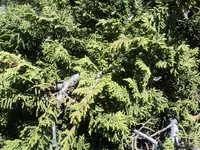
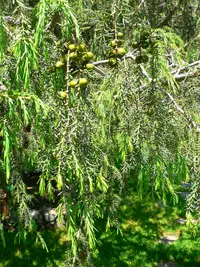
Mexican juniper (Juniperus monticola) is a slow-growing coniferous tree or large shrub, usually with a dense, rounded to irregular crown. Its foliage is evergreen, with small scale-like leaves and bluish berry-like cones that give it an ornamental, rugged look.

This species is native to high-elevation regions of Mexico, where it tolerates strong sun, wind, and poor, rocky soils. It is generally hardy and low-maintenance once established, but can be slow to recover from poor planting or compacted soil.

Gardeners who want to care for Mexican Juniper should provide well-drained soil, good light, and avoid overwatering, as excessive moisture is the main factor that makes cultivation more difficult.


Main Plant Requirements

Care Difficulty

Moderate Care

Light Preference

Full Sun

Water Requirements

Low Water

Temperature Preference

Cold Hardy

Hardiness Zone

7–9

Soil Texture

Sandy, Loamy, Rocky

Soil pH

Slightly acidic (6.5–7.0), Neutral (7.0)

Soil Drainage

Well-drained

Fertilization

Minimal (feed rarely)

Get Personalized Care Plan

Scan your plant to receive care tips personalized for your specific plant

Available on iOS and Android

How to Care for the Mexican Juniper

This high-elevation conifer needs abundant, direct light to stay dense and healthy.

  • Provide 6–8 hours of direct sun daily; full sun exposure is ideal for Mexican Juniper in most temperate climates.
  • It tolerates light partial shade, especially with morning sun and light afternoon shade in very hot, dry regions to reduce needle scorch.
  • In shade below about 4 hours of sun, growth becomes sparse; monitor for elongated, weak shoots and adjust site or prune surrounding plants to increase light.

This species prefers dry to slightly moist conditions and is sensitive to excess water.

  • Water only when the top 3–5 cm of soil feels dry; in established landscape plants this often means long intervals between deep soakings.
  • Ensure sharply draining soil or sloped ground so water does not pool around roots; persistent wet soil leads to root rot and dull, yellowing foliage.
  • Reduce or stop supplemental watering in cool, rainy seasons; resume careful deep watering during extended drought when foliage begins to lose turgor and tips start to dry.

This mountain juniper is adapted to cool to cold climates but also endures moderate heat when established.

  • Optimal growing temperatures are roughly 50–75°F (10–24°C), with strong performance in cool summers and cold, snowy winters.
  • Mature plants tolerate winter lows near -20°F (-29°C) or lower, but young plants benefit from wind protection and snow cover in exposed sites.
  • In hot regions, occasional highs of 90–95°F (32–35°C) are tolerated if soil is not waterlogged and roots are mulched to limit temperature extremes.

This high-elevation juniper tolerates a wide humidity range and typically does not need special humidity management.

  • Target 30–50% humidity, similar to typical indoor air, as Mexican Juniper naturally thrives in dry, well-ventilated mountain environments.
  • Dry air is generally tolerated; avoid overly sealed, stagnant rooms that trap heat and reduce gas exchange around the foliage.
  • Signs of humidity-related stress include browning scale tips combined with stagnant air and excess moisture; improve airflow rather than adding misting or humidifiers.

Juniperus monticola prefers lean, well-drained, mineral-based soil that imitates rocky mountain slopes.

  • Use a sandy or gritty loam with 30–50% coarse material such as sharp sand, fine gravel, or pumice to prevent waterlogging.
  • Aim for slightly acidic to neutral pH around 6.0–7.5, which supports root function without encouraging nutrient excesses.
  • For containers or amended beds, combine standard potting soil with coarse sand and pine bark fines in roughly equal parts for aeration and structure.
  • Avoid heavy clay, compacted sites, or mixes high in peat and compost that stay wet for long periods, which promotes root rot.

This species can be grown in containers when provided with a stable, deep setup that supports its woody root system.

  • Choose a heavy, wide-based pot that resists tipping as the plant becomes woody and develops asymmetric branching.
  • Select a container at least 35–45 cm deep to allow strong anchoring roots and reduce stress during wind exposure on patios or rooftops.
  • Use a mineral-rich, fast-draining mix and elevate the pot slightly on feet or spacers so drainage holes never sit directly in pooled water.

Juniperus monticola usually needs minimal feeding, especially in the ground on reasonably fertile soil.

  • For young or container plants, use a balanced slow-release fertilizer (e.g., 10-10-10) once in early spring.
  • Apply at 1/2 strength of label rate to avoid excessive, weak growth on Mexican Juniper.
  • Supplement with a thin layer of compost over the root zone instead of frequent granular feeding.
  • Do not fertilize in late fall or winter to prevent tender growth before cold weather.

Pruning Juniperus monticola is mainly corrective, aimed at maintaining structure and health rather than frequent shaping.

  • Best time is late winter to early spring before new growth starts.
  • Remove dead, diseased, or rubbing branches with clean, sharp bypass pruners or a pruning saw.
  • Thin crowded interior shoots lightly to improve airflow without cutting back into bare, old wood.
  • Limit shaping cuts to young tips to keep the plant’s natural form and avoid stress.

This species is usually grown in the ground, so focus on thoughtful site transplanting rather than frequent repotting.

  • Transplant in early spring or early fall when temperatures are mild and soil is workable.
  • Move only when necessary, such as root circling in a container or poor site conditions restricting growth.
  • Dig a wide root ball, keep roots shaded and moist, and replant at the same depth in well-drained soil.
  • Water deeply after planting, then maintain moderate moisture for several weeks to reduce transplant shock.

Juniperus monticola propagation is possible but slow, most often done by semi-hardwood cuttings rather than seed.

  • Take semi-hardwood cuttings in late summer from healthy, pencil-thick shoots.
  • Use a sharp, clean knife, remove lower foliage, and dip bases in rooting hormone powder or gel.
  • Insert cuttings into a sharply draining mix (sand and perlite), kept slightly moist and in bright, indirect light.
  • Provide bottom warmth if possible and expect rooting to take several months before potting on.

This high-elevation juniper is naturally cold hardy and typically needs little special winter care once established.

  • In colder regions, add a 5–8 cm mulch layer around the root zone, keeping mulch off the trunk.
  • Ensure soil drains well to prevent root damage from winter waterlogging.
  • For container plants, move pots to a sheltered, unheated area to reduce root freezing and thaw cycles.

Care Tips

Wind exposure planning

Site plants where they receive good air movement but are shielded from the strongest prevailing winter winds, using boulders, existing shrubs, or fencing as windbreaks to reduce desiccation and branch damage at higher elevations.

Establishing deep roots

During the first 2–3 growing seasons, use slow, infrequent, and thorough soakings that wet the soil 30–40 cm deep, then allow it to dry, to encourage a deep root system that improves drought and cold resilience.

Slope and drainage management

Plant on a slight slope, raised berm, or at the top edge of a retaining wall so excess water can drain away quickly, which helps prevent root stress on heavy or compacted sites.

Snow and ice protection

In regions with heavy, wet snow, gently tie the main branches inward with soft, wide ties in late fall to prevent splitting, and brush off heavy snowfalls with an upward motion rather than knocking down on the branches.

Targeted pest monitoring

From spring through mid-summer, inspect inner branch crotches and undersides of shoots every 3–4 weeks for early signs of scale insects or spider mites, and prune out or spot-treat small infestations promptly to avoid large, disfiguring outbreaks when growing Mexican Juniper.

Common Pests and Diseases

Juniper blight

This disease causes browning and dieback of young shoots, often starting at the tips and moving inward. Symptoms include scattered dead branchlets that turn reddish brown, while older inner foliage may remain green for some time.

Solution

Prune out and dispose of infected shoot tips 15–20 cm below visible damage during dry weather, disinfecting tools between cuts. Improve air circulation, avoid overhead watering, and if the plant has a history of blight, apply a labeled copper or chlorothalonil fungicide in early spring and after prolonged wet periods as part of Juniperus monticola care instructions.

Phomopsis tip blight

This disease affects new growth, which first turns dull green, then tan, and finally ash gray with tiny black fruiting bodies on the dead tissue. Symptoms include patchy dieback on the outer portions of the canopy, especially on young plants or recent growth flushes.

Solution

Remove and discard all blighted tips, cutting back into healthy green wood, and clean pruning tools with alcohol between cuts. Reduce moisture on foliage, keep plants spaced, and use a registered fungicide on emerging growth during cool, wet spring weather if the problem recurs each year.

Cypress bark beetles

These insects bore into stems and trunks, disrupting water flow and causing sudden yellowing and browning of whole branches or sections of the plant. Fine boring dust may appear in bark crevices, and woodpecker activity can increase on infested trees.

Solution

Promptly prune and destroy infested branches to reduce beetle populations and avoid stressing plants through drought or excessive pruning. In high‑value landscape trees, consult a certified arborist about systemic insecticides or preventively applied trunk sprays timed to local beetle flight periods.

Juniper scale

This pest appears as small, gray to white, oyster‑shaped bumps on needles and stems that suck sap and cause foliage to lose color and vigor. Heavy infestations can lead to thinning foliage, twig dieback, and sticky honeydew may be present on nearby surfaces.

Solution

Prune and discard heavily infested branches and increase plant vigor with proper watering and reduced crowding. For active crawlers in late spring, wash foliage with a strong water spray, then treat with horticultural oil or an appropriate systemic insecticide according to label directions.

Juniper webworm

These insects create silken webs that bind needles together, with brown frass and chewed foliage inside the nests. Symptoms include thin, browned patches on outer foliage where larvae feed within the protective webbing.

Solution

Inspect plants regularly and hand‑remove or prune out webbed sections containing larvae, disposing of them in the trash. For larger infestations, use Bacillus thuringiensis (Bt) or a selective caterpillar insecticide applied to new foliage and web areas, following label instructions and timing treatments to young larval stages.

Interesting Facts

High-altitude specialist

This species is native to high mountain regions of central Mexico, where it grows on rocky slopes and ridges at elevations often above 3,000 m, tolerating intense sun, strong winds, and cold nights.

Dense, shrubby habit

Unlike many tree-form junipers, it typically forms a multi-stemmed, dense shrub or small tree closely hugging exposed mountain terrain, which helps it resist wind damage and conserve moisture in harsh sites.

Key montane habitat component

In its native range it often grows in open pine or fir woodlands and subalpine scrub, providing cover and food (through its fleshy seed cones) for birds and small mammals adapted to these high-elevation ecosystems.

FAQs about Mexican Juniper

This species grows slowly to moderately, typically adding 10–25 cm in height per year under suitable outdoor conditions. Growth is faster in youth, then gradually slows as the tree matures and allocates more resources to woody structure.

Grow Healthy Plants with Botan Care

Keep your plants happy and healthy with plant identification, disease detection, and easy care guidance.

Botan plant care app — identify plants on mobile

Explore More Plants