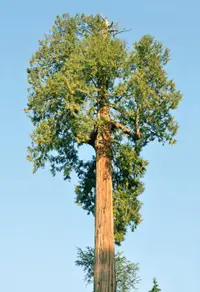
Drooping Juniper Care (Juniperus flaccida)

Also known as: Mexican Drooping Juniper, Weeping Juniper
Drooping Juniper

About Drooping Juniper

Drooping juniper, Juniperus flaccida, is an evergreen conifer known for its gracefully hanging branchlets and fine, feathery foliage. It often develops a loose, somewhat pyramidal crown with a soft, cascading look.

This species is native to Mexico and parts of Central America, where it grows on rocky slopes and dry hillsides. Its natural adaptation to poor, well-drained soils and seasonal dryness makes it relatively resilient in cultivation.

Understanding how to care for Drooping Juniper starts with providing strong light, low to moderate moisture, and sharply drained soil. Once established, it tends to be low-maintenance, provided the roots never sit in waterlogged conditions.

Main Plant Requirements

Care Difficulty

Easy Care

Light Preference

Full Sun

Water Requirements

Low Water

Temperature Preference

Warm Climate

Hardiness Zone

7–10

Soil Texture

Sandy, Loamy, Rocky

Soil pH

Slightly acidic (6.5–7.0), Neutral (7.0)

Soil Drainage

Well-drained

Fertilization

Minimal (feed rarely)

Get Personalized Care Plan

Scan your plant to receive care tips personalized for your specific plant

Available on iOS and Android

How to Care for the Drooping Juniper

This species prefers full sun and develops best with strong, direct light for most of the day.

  • Provide 6–8 hours of direct sun daily; Drooping Juniper tolerates light afternoon shade in very hot, dry regions to reduce foliage scorch.
  • Plant in an open, unshaded position; avoid dense tree canopies or north-facing walls that keep the plant in shade for most of the day.
  • In summer, monitor for browning tips on exposed sides as a sign of intense, drying wind plus strong sun, and consider a windbreak if needed.

Juniperus flaccida prefers dry to moderately dry soil and is sensitive to excess moisture around the roots.

  • Allow the top 5–8 cm of soil to dry between waterings; for in-ground plants, the soil should feel dry several cm down before adding water.
  • During the first 1–2 growing seasons, water deeply but infrequently, then reduce once roots are established and rainfall covers most moisture needs.
  • Watch for yellowing, soft foliage or a musty smell as signs of overwatering and poor drainage, while crisp, browning tips indicate prolonged drought stress.

This juniper is adapted to warm, dry climates and tolerates a wide temperature range once established.

  • Ideal growth occurs around 65–85°F (18–29°C), with good performance in typical warm, low-humidity conditions.
  • Mature plants tolerate short dips near 10–15°F (-12–-9°C), but young specimens benefit from protection from hard freezes and cold, drying winds.
  • In hot regions above 95°F (35°C), ensure sharply drained soil and, if possible, light afternoon shade to limit heat stress and needle burn.

This species prefers dry air and rarely suffers from humidity issues in typical home or outdoor conditions.

  • Target 30–50% humidity, which matches most indoor environments and arid outdoor sites.
  • Drooping Juniper tolerates lower humidity well; problems usually arise from excess moisture rather than dry air.
  • If foliage browns from the inside while tips stay green, check for trapped moisture and improve air movement instead of increasing humidity.

Juniperus flaccida thrives in lean, well-aerated, fast-draining soil that prevents standing water around the roots.

  • Use a sandy or sandy-loam mix with about 50–60% mineral material such as coarse sand or small gravel to keep pores open.
  • Aim for slightly acidic to neutral pH, roughly 6.0–7.5, avoiding strongly acidic or alkaline substrates that limit nutrient availability.
  • For containers or amended beds, combine pine bark fines, coarse sand, and a small amount of compost to improve structure without making the mix heavy.
  • Avoid dense clay, waterlogged spots, or peat-heavy mixes that hold prolonged moisture and encourage root rot.

This species can be grown in containers outdoors, but it needs careful setup to support its eventual size and root system.

  • Choose a deep, wide, heavy container that resists tipping as the plant develops a tall, spreading canopy.
  • Select thick-walled clay or concrete pots to moderate moisture swings and provide weight for wind stability.
  • Raise the container slightly on feet or blocks so drainage holes stay clear and excess water can exit quickly after rain or irrigation.

This species grows in poor soils and needs only light feeding in cultivation.

  • Use a balanced slow-release fertilizer (for example 8-8-8 or 10-10-10) or a thin layer of compost in early spring for Drooping Juniper.
  • Feed once at the start of the growing season; avoid multiple high-dose applications.
  • Apply at half the label strength to prevent excessive, weak growth.
  • Stop fertilizing by late summer and do not feed in winter dormancy.

Pruning Juniperus flaccida is mainly corrective, aimed at maintaining structure and health.

  • Carry out shaping and thinning in late winter to very early spring, before active growth starts.
  • Remove dead, diseased, crossing, or rubbing branches with clean, sharp bypass pruners or a pruning saw.
  • Limit cuts to green, younger wood; old bare branches rarely reshoot and can leave permanent gaps.
  • Use light, selective thinning to refine the natural weeping form rather than shearing flat surfaces.

In cultivation, this tree is usually transplanted to the landscape rather than grown long term in containers.

  • Plan major transplanting for late winter or very early spring, while the plant is still dormant.
  • Look for roots circling the pot, water draining too quickly, or slowed growth as signs a container plant needs a larger size.
  • Move up only 1–2 pot sizes, handling the root ball gently and loosening circling roots without tearing.
  • Water thoroughly after transplanting, then keep soil evenly moist and shaded for 1–2 weeks to reduce root stress.

Propagation of Juniperus flaccida is most reliable from semi-hardwood cuttings, with seeds used less often.

  • Take semi-hardwood tip cuttings in late summer to early autumn from healthy, non-flowering shoots.
  • Remove lower foliage, wound the base slightly, and dip in rooting hormone to improve root formation.
  • Insert cuttings in a very well-drained mix (for example sand and perlite) and keep at 65–75°F with high humidity.
  • Sow seeds outdoors in fall or cold-stratify them indoors, as many juniper seeds need prolonged chilling to germinate.

This juniper is generally cold hardy and needs little specialized winter care in most mild to moderate climates.

  • In colder regions, apply a 5–8 cm layer of mulch around the root zone, keeping it slightly away from the trunk.
  • Shield young plants from drying winter winds with a breathable barrier such as burlap if exposure is high.
  • For container-grown specimens, move pots to a sheltered, unheated but frost-moderated area to protect roots from deep freezes.

Care Tips

Wind conditioning

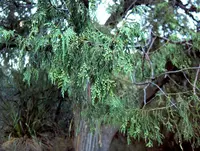
Expose young plants to steady, moderate wind from an early stage so trunks and branches lignify strongly, reducing the risk of breakage as the long, pendulous foliage develops.

Selective leader training

During the first 3–5 years, choose 1 strong upright leader and loosely stake it if needed while removing competing leaders, which helps create a stable main trunk that can support mature weeping branches.

Remove deadwood safely

Inspect the interior canopy once or twice a year and cut out dead, rubbing, or crossing branches back to a lateral junction to improve airflow and reduce habitat for borers and fungal pathogens.

Needle and cone sanitation

Rake and remove shed needles and fallen cones from under the canopy at least once a year to lower disease pressure and discourage pests that overwinter in dense juniper litter when caring for Drooping Juniper.

Underplanting management

Keep turf and vigorous groundcovers at least 30–60 cm away from the trunk flare and use a thin, dry mulch ring instead to protect the root collar from mower damage and chronic moisture at the bark base.

Common Pests and Diseases

Cedar apple rust

This disease causes bright orange to rust-brown galls and swellings on twigs and small branches, often with gelatinous orange spore horns in wet weather. Symptoms include decline of affected twigs and reduced vigor over time.

Solution

Prune and discard galled twigs as soon as they are noticed, and avoid planting susceptible apples or crabapples nearby to break the disease cycle. Improve air circulation around the tree and, if rust is a recurring problem, apply a registered fungicide labeled for junipers and rust diseases at bud break and according to label intervals.

Phomopsis tip blight

This disease affects young shoots, which turn dull green, then reddish-brown, and die back from the tips inward, often giving the plant a scorched appearance. Symptoms include small gray lesions at the base of blighted needles or shoots.

Solution

Clip out and discard infected shoot tips several inches below visible damage, disinfecting pruning tools between cuts. Reduce overhead watering, improve airflow, avoid heavy shearing that creates dense, shaded foliage, and use a suitable fungicide on new growth in spring if conditions remain cool and wet.

Juniper twig blight

This disease causes scattered branch dieback, with brown, brittle twigs and needles that often remain attached. Symptoms include darkened, sunken areas on stems where the fungus has girdled the tissue.

Solution

Remove and destroy diseased branches back to healthy wood, and clean up fallen debris under the plant to reduce sources of spores. Maintain moderate plant density through careful pruning, avoid prolonged leaf wetness, and apply a labeled fungicide during wet periods if the plant has a history of recurring twig blight.

Juniper scale

These insects appear as small, gray to white, oyster-shaped bumps on needles and twigs, causing yellowing, thinning foliage, and reduced growth. This pest feeds on plant sap and can weaken branches over time.

Solution

Prune out heavily infested branches and dispose of them to lower the population, then inspect remaining foliage closely. For active crawlers, wash foliage with a strong stream of water and, if needed, use horticultural oil or an insect growth regulator at crawler emergence, following label directions and avoiding applications during high heat.

Spider mites

These pests are tiny, sap-feeding arachnids that cause fine stippling, dull foliage, and eventual bronzing of needles, often with delicate webbing between branchlets. Symptoms include increased damage during hot, dry weather and dusty conditions.

Solution

Rinse foliage thoroughly with water to remove dust and knock down mite numbers, repeating during dry spells, and encourage natural predators by avoiding broad-spectrum insecticides. In severe infestations, apply a miticide or horticultural oil labeled for use on junipers, ensuring thorough coverage of inner and outer foliage and treating again as directed to target new hatchlings.

Interesting Facts

Distinct weeping habit

This species has unusually long, pendulous branchlets that give mature trees a strongly weeping or fountain-like outline, which is rare among North American junipers and makes it recognizable at a distance in its native range.

Mexican highland specialist

It is naturally restricted to Mexico and parts of Central America, where it grows on rocky slopes and canyon walls in montane regions, often on limestone substrates that many other conifers cannot tolerate.

Bird-dispersed cone berries

Its fleshy, berry-like seed cones are eaten by birds, which then disperse the seeds in their droppings, helping maintain populations along cliffs and rugged terrain that are hard for other woody plants to colonize.

Botan icon

Did you know?

Pollen studies and fossil evidence show that this species has been part of the Mexican montane flora for a long evolutionary period, and genetic work suggests it belongs to a small, distinctive group of junipers that diverged early within the American juniper lineage.

FAQs about Drooping Juniper

This species grows slowly to moderately, usually adding 15–30 cm in height per year once established. Growth is faster in deep, well-drained soil and full sun, and slower in compacted, waterlogged, or very dry sites.

Grow Healthy Plants with Botan Care

Keep your plants happy and healthy with plant identification, disease detection, and easy care guidance.


Botan plant care app — identify plants on mobile

Explore More Plants