Phoenician Juniper Care (Juniperus phoenicea)

Phoenician Juniper

About Phoenician Juniper

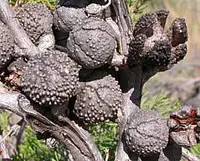
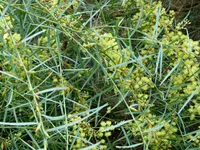
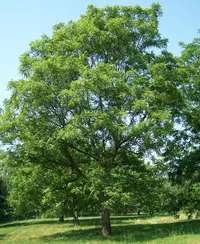
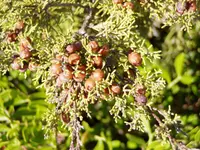
Phoenician juniper, Juniperus phoenicea, is an evergreen coniferous shrub or small tree with dense, often rounded foliage and fine, scale-like leaves. It usually forms a compact, bushy shape and carries small, brownish cones that look like berries.

This species is native to the Mediterranean region, where it grows in dry, rocky sites and coastal slopes. It is slow-growing but long-lived, and its strong drought and wind tolerance make it suitable for tough, exposed gardens.

Once established, it generally requires little maintenance, which makes it easier to care for Phoenician Juniper in low-input landscapes. It prefers full sun, freely draining soil, and avoids prolonged waterlogging.

Main Plant Requirements

Care Difficulty

Easy Care

Light Preference

Full Sun

Water Requirements

Low Water

Temperature Preference

Warm Climate

Hardiness Zone

8–10

Soil Texture

Sandy, Loamy, Rocky

Soil pH

Slightly acidic (6.5–7.0), Slightly alkaline (7.0–7.5)

Soil Drainage

Well-drained

Fertilization

Minimal (feed rarely)

Get Personalized Care Plan

Scan your plant to receive care tips personalized for your specific plant

Available on iOS and Android

How to Care for the Phoenician Juniper

This sun-loving Mediterranean conifer needs strong light to keep dense, healthy foliage.

  • Provide full sun for 6–8 hours per day; open, exposed sites suit Phoenician Juniper best for compact growth.
  • Tolerates light partial shade, especially with morning sun and light afternoon shade, but too much shade causes sparse, elongated shoots and dull color.
  • In hot inland summers, protect young plants from extreme late-afternoon sun with slight shelter, while in winter ensure the site stays unshaded to maximize low-angle light.

This drought-tolerant species prefers infrequent, deep watering once established.

  • Allow the top 5–8 cm of soil to dry fully before watering; in the ground, this often means waiting until the soil feels dry and slightly hard at the surface.
  • Use sharply drained, sandy or gravelly soil so excess water runs off quickly; persistent wetness, a sour smell, or yellowing, limp foliage indicate overwatering and root stress in Juniperus phoenicea.
  • In the first 1–2 growing seasons, water thoroughly when foliage begins to lose freshness or branch tips feel slightly limp, then reduce frequency as roots deepen.

This species prefers warm, dry climates but tolerates a broad temperature range once established.

  • Ideal growth occurs around 65–80°F (18–27°C), especially during the main growing season in spring and early summer.
  • Mature plants tolerate down to about 10–15°F (-12–-9°C) with good drainage; young plants benefit from shelter from cold winds and brief frosts below this range.
  • Handles summer heat up to 95–100°F (35–38°C) if soil is not waterlogged, but prolonged hot, humid conditions increase disease risk, so ensure air movement and avoid overhead watering in the evening.

This species handles low atmospheric moisture well, so humidity is rarely a concern indoors or outdoors.

Juniperus phoenicea prefers mineral, free-draining soils that stay relatively dry between waterings.

  • Use sandy or gravelly loam with low to moderate organic matter to mimic its native rocky habitats.
  • Ensure very rapid drainage by blending roughly 50–70% coarse sand or grit with 30–50% loam-based potting soil.
  • Aim for slightly acidic to slightly alkaline conditions, around pH 6.0–8.0, as the roots are adaptable within this range.
  • Avoid heavy clay, compacted ground, or mixes that stay wet for more than 24 hours, which encourages root rot.

This species can be grown in containers, especially as a patio or rooftop specimen in sunny, exposed sites.

  • Choose a deep, heavy pot (such as thick-walled clay or concrete) to counter wind and the shrub’s eventual top weight.
  • Fill the pot with a very fast-draining, gritty mix so water clears the drainage holes within a few seconds after watering.
  • Elevate the container slightly on feet or spacers so drainage holes never sit in collected runoff on trays or paving.

Nutrient needs are modest for Phoenician Juniper, but targeted feeding supports steady growth in poor soils.

  • Use a balanced slow-release fertilizer (for example, 10-10-10) or well-rotted compost in early spring.
  • Apply once per growing season in the root zone, keeping granules off the trunk and foliage.
  • Reduce or skip feeding in fall and winter, when growth is minimal or dormant.
  • If using liquid feed, apply at half strength on moist soil to avoid root burn.

Light, periodic pruning keeps Juniperus phoenicea healthy and maintains a stable form.

  • Prune in late winter to early spring before strong new growth starts.
  • Remove dead, diseased, crossing, or crowded branches with clean bypass pruners or a sharp saw.
  • Shorten overly long shoots back to side branches to refine shape without cutting into bare, leafless wood.
  • Avoid heavy cuts into old wood, as junipers rarely reshoot from these areas and can look sparse.

This species is usually grown in the ground, so focus on careful transplanting rather than frequent repotting.

  • Plan major transplanting for late winter to early spring, before active growth resumes.
  • Move only when necessary, such as poor performance, waterlogging, or space conflict, typically every many years.
  • Dig a wide root ball, keep soil intact, and replant at the same depth in well-drained soil to limit shock.
  • Water thoroughly after transplanting, then maintain even moisture and consider light shade for several weeks.

Juniperus phoenicea is usually propagated from semi-hardwood cuttings or seeds under controlled conditions.

  • Take semi-hardwood cuttings in late summer to early autumn, 8–12 cm long, from healthy non-flowering shoots.
  • Wound the base lightly, apply rooting hormone, and insert into a very well-drained, gritty mix under high humidity.
  • Provide bright, indirect light and bottom warmth around 68–75°F; rooting may take several months.
  • Sow cleaned seeds in trays outdoors for natural cold stratification, then transplant sturdy seedlings carefully.

Established plants are generally cold hardy and need little specific winter care beyond basic soil and site management.

  • Mulch lightly around the root zone with bark or gravel, keeping material away from the trunk flare.
  • In very cold or windy sites, use a breathable windbreak to limit desiccation of exposed foliage.
  • For container plants, move pots to a sheltered, unheated area to avoid root freeze-thaw cycles while still staying cold-dormant.

Care Tips

Salt-spray tolerance

In coastal sites, position plants where they receive natural windbreaks from larger shrubs or fences, as this reduces abrasive salt spray on young needles while still allowing good airflow.

Wind-shaping training

In windy locations, lightly stake young plants for the first 1–2 years and gradually loosen ties, so the trunk can strengthen while developing the naturally wind-sculpted form typical of growing Phoenician Juniper.

Firewise spacing

In fire-prone regions, site plants at least 5–6 ft away from structures and other dense evergreens, and remove dead interior twigs each year to reduce accumulated flammable material.

Root-zone protection

Use a 5–8 cm layer of mineral mulch such as gravel or crushed stone around the root zone instead of organic bark, which keeps the crown dry, limits fungal issues, and mimics the plant’s natural rocky habitat.

Low-intervention hedging

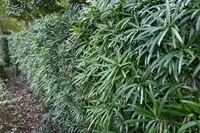
For informal screens, plant in a staggered row and allow natural growth with only occasional selective thinning, which maintains good light penetration and needle density without heavy shearing that can expose bare wood.

Common Pests and Diseases

Juniper scale

This pest forms tiny white or grayish bumps on needles and stems, causing yellowing, needle drop, and general decline over time.

Solution

Prune and destroy heavily infested twigs, then spray foliage thoroughly with a lightweight horticultural oil in late spring to smother crawlers; repeat as needed according to label directions and avoid stressing the plant with drought during recovery.

Juniper twig blight

This disease causes browning and death of young shoots, with affected twigs turning reddish-brown and often showing a sharp line between healthy green tissue and dead tips.

Solution

Clip out and discard blighted twigs back to healthy wood during dry weather, improve spacing and airflow around the plant, and in high-risk, repeatedly wet conditions use a labeled fungicide on new growth in spring as part of broader Juniperus phoenicea care instructions.

Cedar rusts

This disease group produces orange to brown galls or swellings on branches that release orange, gelatinous spore masses in wet weather and can lead to scattered dieback of small twigs.

Solution

Prune and discard galls or swollen, infected twigs during dry periods, avoid planting highly susceptible rosaceous hosts like apples and crabapples very close by, and use a preventive fungicide program in spring only if rust has been severe in previous years.

Spider mites

These insects are tiny sap-feeding arachnids that cause fine stippling, dull or bronzed foliage, and sometimes light webbing on inner shoots, especially in hot, dry conditions.

Solution

Spray foliage forcefully with water to knock mites off, increase ambient humidity around the plant, and if populations stay high apply an insecticidal soap or a miticide labeled for conifers, covering inner and outer foliage thoroughly and repeating as directed.

Juniper bark beetles

This pest bores into stressed or weakened junipers, creating small entry holes and galleries under the bark that can cause rapid branch or whole-plant dieback.

Solution

Remove and destroy heavily infested plants or branches to reduce beetle populations, keep the plant vigorous with proper watering and avoidance of mechanical damage, and in high-risk areas consider preventive trunk and lower-branch treatments with a labeled beetle-targeting product applied before peak flight periods.

Interesting Facts

Mediterranean coastal specialist

This species is naturally restricted to coastal and island areas around the Mediterranean, where it often forms low, wind-pruned stands on limestone cliffs and rocky dunes close to sea spray.

Berry-like seed cones

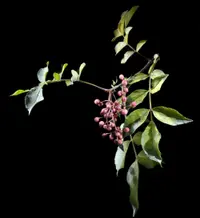
Its seed cones are fleshy, reddish-brown to purple when ripe and look like berries, but botanically they are cones with a thin, sweetish pulp surrounding hard seeds that many birds disperse.

Important dune stabilizer

Dense root systems and tough, salt-tolerant foliage allow this species to help stabilize fragile coastal dunes and rocky slopes, reducing erosion in exposed maritime habitats.

Botan icon

Did you know?

Some very old individuals of this species on isolated Mediterranean cliffs and islands are estimated, based on growth ring studies of related populations and trunk structure, to have survived for many centuries, making them among the longest-lived woody plants in their native coastal scrub communities.

FAQs about Phoenician Juniper

This species is evergreen, keeping foliage year-round rather than dropping leaves seasonally. Older inner needles may shed gradually, but the plant maintains a persistent green canopy that provides structure and cover in all seasons.

Grow Healthy Plants with Botan Care

Keep your plants happy and healthy with plant identification, disease detection, and easy care guidance.

Botan plant care app — identify plants on mobile

Explore More Plants