Eastern Arborvitae Care (Thuja occidentalis 'Smaragd')

Also known as: American Arborvitae, Northern White Cedar, Eastern White Cedar, Arborvitae
Eastern Arborvitae

About Eastern Arborvitae

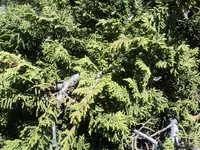
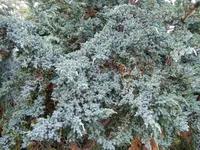
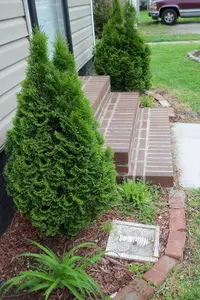
Eastern arborvitae, Thuja occidentalis 'Smaragd', is an evergreen conifer grown mainly as a narrow, upright screening or accent shrub. It keeps a dense, pyramidal shape with bright green, scale-like foliage that stays attractive year-round. This cultivar originates from the North American species Thuja occidentalis, which is native to cool, moist forests and rocky slopes. It has been selected for its tidy form and slow, predictable growth. It is considered relatively easy to grow when planted in well-drained soil with consistent moisture and full sun to light shade. Gardeners who learn how to care for Eastern Arborvitae usually find 'Smaragd' dependable for hedges, foundation plantings, and small urban gardens.

Main Plant Requirements

Care Difficulty

Easy Care

Light Preference

Full Sun

Water Requirements

Moderate Water

Temperature Preference

Cold Hardy

Hardiness Zone

3–7

Soil Texture

Sandy, Loamy, Clay

Soil pH

Acidic (5.5–6.5), Slightly acidic (6.5–7.0)

Soil Drainage

Moist but well-drained

Fertilization

Minimal (feed rarely)

Get Personalized Care Plan

Scan your plant to receive care tips personalized for your specific plant

Available on iOS and Android

How to Care for the Eastern Arborvitae

This conifer grows best in consistent outdoor light that supports dense, even foliage.

  • Provide 6–8 hours of direct sun daily, ideally with full morning sun and light afternoon shade to reduce summer stress.
  • It tolerates light partial shade (4–5 hours sun), but Eastern Arborvitae may thin, darken, or lean toward brighter exposures if light is too low.
  • In hot climates, protect from intense west-facing afternoon sun to prevent foliage bronzing or scorch, especially on newly planted hedges.

Watering should support deep root development without leaving the soil saturated.

  • After planting, water deeply when the top 3–5 cm of soil feels dry, aiming for moist but not soggy soil during the first growing season.
  • Use well-drained soil; prolonged puddling, sour smell, or blackening roots indicate overwatering and risk of root rot.
  • Mature Thuja occidentalis 'Smaragd' usually needs deep watering only during dry spells, when foliage tips feel limp or inner sprays start to dull and flag.

This hardy evergreen tolerates a wide temperature range once established.

  • Active growth occurs in spring and early summer when temperatures stay around 60–75°F (16–24°C).
  • Mature plants generally survive winter lows to about -30°F (-34°C), though young specimens benefit from wind protection in very exposed sites.
  • In hot summers, it manages brief heat up to 95°F (35°C) if soil remains evenly moist, but prolonged heat and drying winds can cause tip burn and bronzing.

This conifer tolerates a broad humidity range and rarely needs special humidity management outdoors.

  • Performs well at 30–60% humidity, which covers most outdoor conditions in temperate climates.
  • Handles dry air and wind reasonably well if soil moisture is consistent and roots are not allowed to dry out completely.
  • Signs of humidity stress include browning or bronzing of inner foliage and increased tip dieback during prolonged hot, dry spells.
  • In very exposed, dry sites, reduce transpiration stress by mulching the root zone and providing occasional deep watering during heatwaves.

Thuja occidentalis 'Smaragd' prefers evenly moist, well-drained, moderately fertile soil with plenty of air around the roots.

  • Use a loamy or sandy loam structure with 30–40% organic matter from compost or well-rotted bark to hold moisture without becoming heavy.
  • Aim for slightly acidic to neutral pH, around 6.0–7.0, avoiding strongly alkaline or saline soils that can cause nutrient lockout and foliage yellowing.
  • Improve drainage on heavy clay sites by raising the planting area 10–20 cm and blending in coarse sand or fine gravel plus compost for better aeration.
  • Avoid compacted, waterlogged, or very shallow soils, since persistent saturation leads to root rot and poor growth in this species.

This upright conifer is suitable for container growing on patios, balconies, and entryways.

  • Choose a tall, heavy container that resists tipping, as the narrow, vertical habit becomes top-heavy in strong winds.
  • Select a pot material such as thick-walled ceramic or concrete if extra stability and slower moisture loss are needed in hot, exposed sites.
  • Leave 5–8 cm between the root ball and pot wall to buffer temperature swings and maintain a more even moisture profile in the container mix.

Thuja occidentalis 'Smaragd' grows best with light, balanced feeding rather than heavy fertilization.

  • Apply a slow-release balanced NPK fertilizer (for example 10-10-10) once in early spring as new growth begins.
  • Supplement with a thin layer of compost around the root zone to improve soil structure and nutrient availability.
  • For container-grown Eastern Arborvitae, use a half-strength balanced liquid feed every 4–6 weeks in spring and summer only.
  • Avoid fertilizing in late fall or winter to prevent soft growth that is vulnerable to cold damage.

Thuja occidentalis 'Smaragd' benefits from light, targeted pruning to maintain a dense, uniform form.

  • Time structural pruning for late winter to early spring before new growth starts.
  • Use clean, sharp hand pruners to remove dead, diseased, or storm-damaged branch tips back to healthy wood.
  • Shear lightly along the green outer foliage only, preserving the natural conical shape and avoiding cuts into bare, brown interior wood.
  • Thin congested branch tips slightly to improve airflow and light penetration, which supports dense, healthy foliage.

This arborvitae is usually grown in the ground, so transplanting timing and technique matter more than frequent repotting.

  • Transplant in early spring or early fall when temperatures are mild and soil is workable.
  • Look for circling roots, slow growth, or a root-bound container as signs that a potted plant needs a larger pot or ground planting.
  • Move up only 1 pot size or plant into a hole 2–3 times wider than the root ball, keeping the root flare at soil level.
  • Water thoroughly before and after moving, then keep soil evenly moist and shade the plant lightly for 1–2 weeks to reduce transplant shock.

Thuja occidentalis 'Smaragd' is commonly propagated vegetatively to maintain its uniform columnar form.

  • Use semi-hardwood cuttings taken in late summer to early fall, selecting non-flowering, healthy shoots 8–12 cm long.
  • Strip lower foliage, wound the base slightly, then dip in a rooting hormone to improve root initiation.
  • Insert cuttings into a free-draining mix such as 1:1 peat or coir and perlite, keeping medium just moist, not wet.
  • Maintain high humidity and bright, indirect light at 65–75°F; roots often develop over several weeks to a few months.

This cultivar is cold hardy, but some winter care reduces foliage burn and stress, especially in exposed sites.

  • Expect good frost tolerance in-ground, typically to about USDA zone 3–4, once plants are established.
  • Apply a 5–8 cm layer of mulch around the root zone in late fall, keeping it slightly away from the trunk.
  • In windy or very sunny winter locations, use burlap screens or wraps to limit desiccating wind and sunscald.
  • Move container plants to a sheltered, unheated but frost-protected spot, and water sparingly whenever the soil is thawed and dry.

Care Tips

Windbreak planning

In open or windy sites, plant in staggered rows or near solid fences or buildings to reduce winter wind burn and help the narrow crowns stay upright and dense.

Snow load management

In regions with heavy, wet snow, gently brush snow off branches from the bottom up after storms to prevent splitting or permanent splaying of the columnar form.

Mulch root collar

Keep mulch 5–8 cm deep but pulled 5–8 cm back from the trunk base so the root flare stays dry and well-aerated, which reduces risk of rot and bark damage.

Hedging line setup

When creating a hedge, snap a taut string line and plant slightly inside the line on the same side for every shrub to maintain a straight, even screen as they mature.

Salt exposure reduction

Along driveways or roads treated with de-icing salt, install a low physical barrier or use alternative de-icers to limit salt spray and runoff that can scorch foliage when growing Eastern Arborvitae.

Common Pests and Diseases

Cedar apple rust

This disease causes bright orange to rust-brown spots on foliage and small twigs, often leading to needle drop and thinning of the canopy over time.

Solution

Prune out and discard infected branch tips as soon as lesions appear and avoid planting junipers or crabapples that host the fungus nearby. In areas with a history of rust, use a labeled copper or myclobutanil fungicide in early spring at budbreak and repeat according to label directions during wet periods to protect new growth.

Phomopsis tip blight

This disease affects young foliage and shoot tips, causing them to turn dull green, then brown and die back from the tip inward, often giving the plant a scorched appearance.

Solution

Clip off and dispose of infected shoot tips back into healthy green wood, disinfecting pruners between cuts. Improve air circulation, avoid overhead watering, and, in persistent cases, apply a registered conifer fungicide to new growth during cool, wet spring weather following local Thuja occidentalis 'Smaragd' care instructions.

Bagworms

These insects create camouflaged spindle-shaped bags from foliage and can strip branches, leading to browning and dieback if populations are high.

Solution

Handpick and destroy bags during fall, winter, or very early spring before larvae hatch, focusing on outer branches and the plant interior. For active infestations in late spring to early summer, use a targeted product containing Bacillus thuringiensis (Bt) or spinosad, thoroughly coating foliage according to label directions.

Spider mites

These pests feed on foliage and cause fine stippling, dull color, and eventual bronzing or browning, often accompanied by delicate webbing in protected areas of the plant.

Solution

Spray foliage forcefully with water, including the inner canopy, every few days to knock mites off and reduce dust, which favors infestations. If populations remain high, use a horticultural oil or insecticidal soap labeled for mites, applying in the early morning or evening to avoid leaf burn and repeating as needed.

Arborvitae leafminer

This pest tunnels inside the scale-like leaves, leading to pale, then brown, blotchy foliage tips that can mimic drought stress or winter burn.

Solution

Prune out and destroy discolored, hollow leaf tips in late winter or early spring before adults emerge. Where damage is recurring, time an insecticide treatment containing spinosad or a systemic active ingredient to coincide with adult flight or when new larvae are hatching, based on local extension service timing guides.

Interesting Facts

Naturally narrow crown

This cultivar maintains a naturally tight, columnar crown without pruning, typically staying under 1.2–1.5 m wide even at mature heights, which distinguishes it from many broader eastern arborvitae forms.

Stable emerald foliage

The foliage holds a consistent glossy emerald-green color through winter in most temperate climates, unlike many seed-grown Thuja occidentalis types that bronze noticeably in cold weather.

Clonal origin selection

Smaragd is a vegetatively propagated clone selected in Denmark in the 1950s for its uniform habit and color, so all plants sold under this name are genetically very similar copies of the original plant.

Botan icon

Did you know?

In urban planting trials in northern and central Europe, this cultivar has shown notably better resistance to foliage burn from winter sun and wind than many other eastern arborvitae selections, which helped drive its widespread use in exposed, narrow hedging situations.

FAQs about Eastern Arborvitae

Browning foliage usually results from winter burn, root stress, drought, or road salt exposure. Check soil moisture, avoid piling mulch against the trunk, protect from de-icing salt, and prune only dead branch tips once new growth appears.

Grow Healthy Plants with Botan Care

Keep your plants happy and healthy with plant identification, disease detection, and easy care guidance.

Botan plant care app — identify plants on mobile

Explore More Plants