Deep root training
During the first 2–3 years, water less often but very thoroughly so moisture penetrates 40–60 cm deep, encouraging a strong taproot that improves drought tolerance later in life.

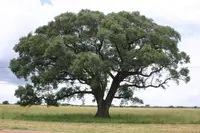
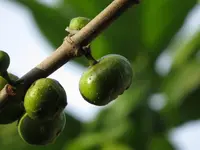
Marula, Sclerocarya birrea, is a long-lived fruit tree native to the savannas of southern and eastern Africa. It typically develops a rounded crown and a sturdy, single trunk. The foliage is medium to dark green, and mature trees produce small, fragrant flowers followed by yellow, plum-sized fruits valued for their juicy, aromatic pulp and oil-rich seeds. In warm climates it can be grown as a landscape tree; in cooler areas it is sometimes kept in large containers. It prefers full sun, well-drained soil, and moderate watering, which shapes how to care for marula and keep it healthy over time.

Care Difficulty
Moderate Care

Light Preference
Full Sun

Water Requirements
Low Water

Temperature Preference
Tropical / Frost Sensitive

Hardiness Zone
10–12

Soil Texture
Sandy, Loamy, Rocky

Soil pH
Acidic (5.5–6.5), Slightly acidic (6.5–7.0)

Soil Drainage
Well-drained

Fertilization
Minimal (feed rarely)
Scan your plant to receive care tips personalized for your specific plant
Available on iOS and Android
This sun-loving African tree develops best with strong, direct light in warm climates.
This drought-tolerant savanna tree prefers deep, infrequent watering once well established.
This species thrives in hot, frost-free climates and suffers injury in cold conditions.
This species tolerates a wide humidity range and usually does not need special humidity management indoors or outdoors.
Sclerocarya birrea prefers deep, fast-draining, sandy or sandy-loam soil that never stays waterlogged.
This species can be grown in large containers for several years when managed carefully for root space and stability.
This drought-adapted African tree needs only modest feeding in cultivation, especially when grown as marula in containers or young orchard trees.
Sclerocarya birrea responds well to light structural pruning aimed at developing a strong, open canopy.
This deep-rooting savanna tree is usually field-grown, so management focuses on careful transplanting of young specimens.
This species is mainly propagated from seed, with cuttings used less often due to lower rooting success.
This is a frost-sensitive tree that requires protection outside tropical or warm subtropical climates.

Plant Health Check
Not sure what's wrong with your plant? Check your plant's health inside the app.
The large, thick-coated seeds are commonly spread by elephants, which eat the fruits and deposit the seeds far from the parent tree, helping maintain savanna tree populations.
This species is dioecious, meaning individual trees are either male or female, so fruit production only occurs on female trees and typically requires nearby male trees for pollination.
The yellow, plum-sized fruits are known for very high vitamin C content and are widely used in southern Africa for juices, fermented beverages, and preserves.

Marula wood has a relatively low density and carves easily, so in many parts of southern Africa it is traditionally used for making household utensils, carved objects, and lightweight furniture while the living trees remain protected because of their valued fruit.
Growth is moderate in warm, frost‑free climates. Young trees typically add about 30–60 cm in height per year once established, slowing as they mature. Container plants grow more slowly due to root restriction and limited soil volume.
Keep your plants happy and healthy with plant identification, disease detection, and easy care guidance.