Control Underground Spread
Install a shallow root barrier 10–15 cm deep around beds to limit the spread of bulbs and bulblets into nearby planting areas and lawns.

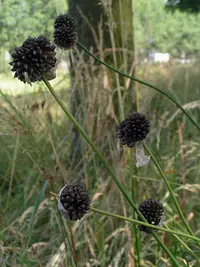
Wild garlic, Allium vineale, is a bulb-forming perennial in the onion family, valued more for its strong scent than for ornamental display. It forms narrow, hollow leaves and slender stems topped with small, clustered bulbils or flowers, giving it a grassy, tufted look.
This species is native to Europe and parts of Asia but has become naturalized in many regions of North America, often appearing in lawns, fields, and disturbed soils. It is generally tough and persistent, which makes it easy to grow but sometimes hard to control.
Allium vineale prefers sunny, open sites with well-drained soil and moderate moisture. Gardeners who want to learn how to care for wild garlic benefit from understanding its vigorous, spreading habit.

Care Difficulty
Easy Care

Light Preference
Full Sun

Water Requirements
Moderate Water

Temperature Preference
Cold Hardy

Hardiness Zone
4–9

Soil Texture
Sandy, Loamy, Clay

Soil pH
Slightly acidic (6.5–7.0), Slightly alkaline (7.0–7.5)

Soil Drainage
Well-drained

Fertilization
Minimal (feed rarely)
Scan your plant to receive care tips personalized for your specific plant
Available on iOS and Android
Allium vineale grows best in open, bright conditions with several hours of direct sun each day.
Allium vineale prefers relatively dry conditions and is sensitive to prolonged soil saturation.
This hardy allium tolerates a wide temperature range but grows most actively in mild conditions.
Humidity is not a significant factor for Allium vineale, which thrives in typical outdoor air conditions.
Allium vineale grows best in loose, well-drained mineral soils that never stay waterlogged.
This species is suitable for container growing when the pot is set up to keep the bulbs dry around the base.
Allium vineale needs only modest feeding, especially in reasonably fertile soil.
Pruning Allium vineale is mainly about containment and tidiness rather than plant health.
Transplanting Allium vineale focuses on moving established clumps or container-grown bulbs with minimal disturbance.
Allium vineale is commonly propagated by bulb division and aerial bulbils rather than by seed.
Allium vineale is cold hardy and usually needs minimal winter care in typical temperate climates.

Plant Health Check
Not sure what's wrong with your plant? Check your plant's health inside the app.
This species often reproduces through tiny aerial bulbs, called bulbils, that form in the flower head instead of setting many true seeds, which helps it spread efficiently in grasslands and agricultural fields.
Crushed leaves, bulbs, and stems release a strong onion- or garlic-like smell due to sulfur-containing compounds, which helps distinguish it from non-edible look-alike grasses in pastures and lawns.
When dairy cattle graze heavily on Allium vineale, the plant’s pungent compounds can pass into the milk and give it an undesirable garlic-like taste, making the species an agricultural weed of concern in some regions.

In some temperate regions, Allium vineale has become so well established outside its native range that it is listed as a noxious or invasive weed, and commercial wheat shipments can even be downgraded if too many of its pungent bulbils are mixed with the harvested grain.
This species spreads mainly by bulbs and aerial bulbils, forming dense clumps over time. In mild climates it can naturalize quickly, so regular lifting of bulbs and removing flower heads before seed set helps limit its spread.
Keep your plants happy and healthy with plant identification, disease detection, and easy care guidance.