Allium narcissiflorum Care

Allium narcissiflorum

About Allium narcissiflorum

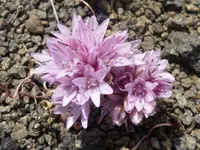
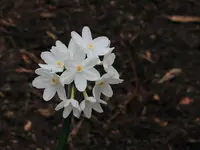
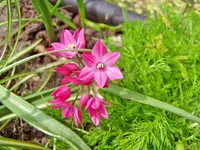
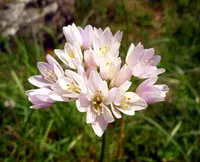
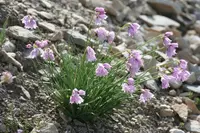
Allium narcissiflorum is a small, bulb-forming perennial in the onion family, valued mainly for its ornamental flowers rather than for culinary use. It typically forms compact clumps of narrow, grasslike leaves topped by nodding clusters of pink to lilac, bell-shaped blooms.

This species is native to rocky, mountainous areas of southern Europe, where it grows in well-drained, often stony soils. Its alpine origin means it prefers bright light, cool to moderate temperatures, and soil that never stays waterlogged. Gardeners who understand how to care for Allium narcissiflorum usually find it moderately easy to grow in rock gardens, raised beds, or well-drained borders.

Main Plant Requirements

Care Difficulty

Moderate Care

Light Preference

Full Sun

Water Requirements

Moderate Water

Temperature Preference

Cold Hardy

Hardiness Zone

4–8

Soil Texture

Sandy, Loamy, Rocky

Soil pH

Slightly acidic (6.5–7.0), Neutral (7.0)

Soil Drainage

Well-drained

Fertilization

Minimal (feed rarely)

Get Personalized Care Plan

Scan your plant to receive care tips personalized for your specific plant

Available on iOS and Android

How to Care for the Allium narcissiflorum

This alpine onion prefers bright conditions with cool roots and moderate direct sun.

  • Provide 6–8 hours of sun, ideally morning and early afternoon light, with some light shade during the hottest mid‑afternoon hours.
  • Plant in an open, south or east-facing spot; in hotter regions, give filtered light or high shade after 2–3 p.m. to prevent leaf scorch.
  • In low light, flowering of Allium narcissiflorum decreases; in very intense sun without enough soil moisture, foliage can yellow and dry prematurely.

This bulb prefers modest, well-timed watering rather than constant moisture.

  • Allow the top 3–5 cm of soil to dry between waterings during active growth, then water thoroughly so excess drains away quickly.
  • Use gritty, sharply drained soil on a slope or raised bed to prevent standing water, which leads to bulb rot and foul, sour-smelling soil.
  • Reduce watering sharply after foliage starts to yellow and die back; very soft, collapsing bulbs indicate overwatering, while shriveling bulbs suggest prolonged drought.

This hardy species is adapted to cool to mild conditions with cold winters and moderate summers.

  • Aim for active growth in spring and early summer around 50–70°F (10–21°C), when roots and foliage develop best.
  • Bulbs tolerate winter cold down to about 0°F (−18°C) in well-drained soil; snow cover and mulch improve survival in colder zones.
  • During hot spells above 85°F (29°C), foliage may decline earlier, so provide some afternoon shade and avoid heat-reflecting sites near walls or pavement.

This bulb prefers dry, airy conditions and does not require elevated humidity.

Allium narcissiflorum grows best in loose, well-drained mineral soil that does not stay wet after rain or watering.

  • Use a gritty mix such as 50% sandy or loamy garden soil with 30% coarse sand and 20% fine gravel or grit.
  • Ensure water drains through the root zone within minutes; standing water or heavy, compacted clay leads to bulb rot.
  • Aim for slightly alkaline to neutral pH, around 7.0–7.5, avoiding strongly acidic substrates.
  • Improve aeration by mixing in coarse mineral particles rather than peat-heavy products, which can hold too much moisture around the bulbs.

This species can be grown in containers if the pot mimics its dry, well-drained natural habitat.

  • Choose a deep pot so bulbs sit at least 10–15 cm below the rim while still allowing a thick, dry mulch layer on top.
  • Use a thick-walled terracotta container to increase evaporation and reduce the risk of the mix staying wet around the bulbs.
  • Raise the pot on feet or bricks so drainage holes stay clear and excess water leaves quickly after rain or irrigation.

This alpine bulb grows well in lean soils, so Allium narcissiflorum needs only light, targeted feeding in cultivation.

  • Use a balanced, low-strength liquid fertilizer (for example 10-10-10) at 1/2–1/4 label strength during active growth in spring to early summer.
  • Apply every 4–6 weeks while leaves are green; avoid feeding once foliage starts yellowing and the bulb enters dormancy.
  • In rich, well-prepared soil, skip synthetic fertilizer and top-dress with a thin layer of compost in early spring instead.
  • Never apply fertilizer to dry soil; water lightly first to reduce root burn risk.

Pruning needs for Allium narcissiflorum are minimal and focus on hygiene rather than shaping.

  • In late summer, cut back completely dry flower stems at the base with clean, sharp scissors or hand pruners.
  • Remove only yellowed or dead foliage, leaving green leaves intact so bulbs can recharge for next season’s flowering.
  • Deadheading spent blooms can reduce unwanted self-seeding and direct more energy to bulb and root development.
  • Disinfect tools before and after use, especially in damp conditions, to limit disease spread between clumps.

This species is usually grown in rock gardens or borders, so transplanting clumps is more common than container repotting.

  • Look for congested clumps with many crowded shoots or bulbs pushing to the soil surface as a sign division is due.
  • Lift and transplant bulbs every 3–5 years in late summer to early fall, after foliage has fully died back.
  • Use a trowel or fork to lift clumps gently, keeping roots and basal plates intact to minimize stress.
  • Replant bulbs at the original depth in sharply drained soil, water once to settle, then keep on the dry side until new growth.

Gardeners usually propagate Allium narcissiflorum by bulb division, with seed used mainly for larger-scale or breeding work.

  • Divide clumps in late summer to early fall when foliage is fully dormant and the soil is relatively dry.
  • Gently separate offsets from the parent bulb, retaining any attached roots, and discard soft or damaged bulbs.
  • Replant divisions immediately at the same depth in a well-drained, gritty substrate and water lightly once.
  • For seed, sow fresh in pots outdoors, allow natural winter chilling, and expect uneven germination over 1–2 years.

This allium is cold hardy in many temperate climates and usually needs only simple winter care outdoors.

  • Tolerates typical frost and snow once established, provided soil drains freely and does not stay waterlogged.
  • After foliage dies back, apply a light mulch layer (grit, gravel, or bark) to insulate bulbs and improve drainage.
  • In very cold or wet regions, grow in containers and move pots to a cold, sheltered, frost-free or minimally frozen spot.

Care Tips

Bulb clump renewal

Lift and divide congested clumps every 3–4 years in late summer after foliage has fully died back to prevent overcrowding and maintain strong flowering.

Rock-garden positioning

Plant bulbs on a slight slope, rock ledge, or raised bed so excess water drains quickly away from the bulb plate, which helps reduce basal rot in wet climates.

Targeted slug control

Place low, rough mineral barriers such as sharp grit or crushed lava rock in a narrow ring around emerging shoots in early spring to protect young growth from slugs and snails without using heavy chemical treatments.

Seed head management

Allow a few healthy seed heads to mature if naturalizing is desired, but remove the rest as they dry to conserve the plant’s energy for bulb strengthening rather than excessive self-seeding when growing Allium narcissiflorum.

Labeling and mapping

Mark bulb positions with durable labels or a simple planting map after flowering so cultivation, mulching, or replanting work does not accidentally damage dormant bulbs later in the season.

Common Pests and Diseases

Leek moth

This pest targets leaves and flower stalks, where larvae mine inside the tissue and cause silvery tunnels, wilting tips, and distorted growth.

Solution

Remove and destroy mined leaves and any infested flower stalks, use fine insect mesh over plants from early spring to block adult moths, and rotate planting areas each year to reduce carryover of larvae and pupae in the soil and plant debris.

Onion fly

This pest lays eggs at the base of bulbs; larvae feed on roots and bulb tissue, causing yellowing foliage, stunting, and collapse of flowering stems.

Solution

Cover plants with insect netting during the main egg‑laying periods, avoid leaving onion family crop waste in the area, and remove and discard any soft, maggot‑infested bulbs to limit population buildup when caring for Allium narcissiflorum.

Downy mildew

This disease produces pale yellow patches on leaves that later show a gray‑violet downy growth on the underside, often leading to leaf collapse in cool, humid weather.

Solution

Improve air circulation by spacing clumps, avoid overhead watering, remove and discard affected foliage promptly, and if the problem recurs, consider relocating plantings to a sunnier, better‑drained site.

White rot

This disease attacks bulbs and roots, causing yellowing foliage, plant collapse, and white, fluffy fungal growth with small black sclerotia on the bulb base.

Solution

Remove and destroy all infected plants including bulbs and surrounding soil, avoid replanting any Allium species in the affected spot for several years, and plant only healthy, clean bulbs into well‑drained, uninfected soil.

Basal rot

Symptoms include browning and softening at the base of bulbs, slow decline of foliage, and poor flowering, often in warm conditions or poorly drained soils.

Solution

Plant bulbs in sharply drained soil, discard any bulbs showing basal discoloration before planting, lift and destroy affected plants, and avoid overwatering or heavy, compacted sites that favor the fungus.

Interesting Facts

Alpine limestone specialist

This species is naturally restricted to rocky limestone slopes in the southwestern Alps, often growing in crevices and ledges at higher elevations where the substrate is thin and well-drained.

Distinct nodding umbels

Its pink, bell-shaped flowers hang in gracefully nodding clusters, a distinctive inflorescence structure that sets it apart from many upright-flowering Allium relatives.

Narrow geographical range

The plant has a relatively limited native distribution in parts of France and Italy, which makes wild populations more sensitive to local habitat disturbance and climate shifts.

Botan icon

Did you know?

Unlike many showy ornamental onions, this species is considered a local alpine specialty and is rarely encountered in general horticulture, so most horticultural references to Allium narcissiflorum come from alpine and rock-garden specialists interested in growing Allium narcissiflorum under cool, well-drained conditions.

FAQs about Allium narcissiflorum

This bulb forms small clumps and slowly multiplies by offsets, but it is not aggressive. It stays fairly well behaved, especially in cooler climates, and usually needs many years before requiring lifting or division.

Grow Healthy Plants with Botan Care

Keep your plants happy and healthy with plant identification, disease detection, and easy care guidance.

Botan plant care app — identify plants on mobile

Explore More Plants