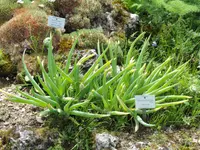
Rocky micro-sites
Tuck bulbs into small crevices between rocks or along the edge of gravel paths to mimic natural rocky habitats and improve drainage around the bulb plate.

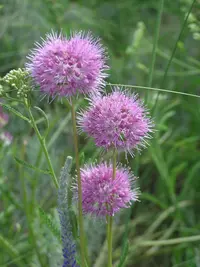
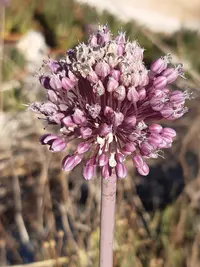
Allium saxatile is a compact, clump-forming ornamental onion grown mainly for its rounded heads of small, starry flowers and neat, grassy foliage. It typically stays low and forms tidy mounds that fit well in rock gardens, sunny borders, and containers.
This species is native to rocky, often dry habitats in parts of Europe and western Asia, where it copes with lean soils and seasonal drought. Its hardy nature and modest size make it relatively easy to manage, provided the soil drains well and the site is bright. Gardeners who care for Allium saxatile usually appreciate its resilience and low-maintenance habit compared with more demanding flowering perennials.

Care Difficulty
Easy Care

Light Preference
Full Sun

Water Requirements
Low Water

Temperature Preference
Cold Hardy

Hardiness Zone
4–8

Soil Texture
Sandy, Loamy, Rocky

Soil pH
Slightly acidic (6.5–7.0), Slightly alkaline (7.0–7.5)

Soil Drainage
Well-drained

Fertilization
Minimal (feed rarely)
Scan your plant to receive care tips personalized for your specific plant
Available on iOS and Android
This compact rock garden allium thrives in bright conditions with strong sun exposure.
This bulb prefers relatively dry conditions and is sensitive to excess moisture, especially in heavy soils.
This species is adapted to temperate climates with cool to warm growing seasons and cold winters.
This species is adapted to dry, rocky habitats and does not have specific humidity requirements indoors or outdoors.
Allium saxatile prefers lean, sharply drained mineral soil that mimics rocky slopes.
This species is suitable for container growing if the potting setup preserves sharp drainage and bulb dryness.
This rock garden onion needs only light feeding in typical garden soil.
Pruning Allium saxatile is simple and mainly keeps the clump tidy and focused on healthy flowering.
This compact allium is usually grown in rock gardens or borders and only needs infrequent transplanting.
Allium saxatile is most often propagated by division, with seeds used when increasing numbers more slowly.
This species is generally cold hardy in temperate climates and needs minimal winter attention once established.

Plant Health Check
Not sure what's wrong with your plant? Check your plant's health inside the app.
This species naturally grows in rocky, often limestone-rich outcrops and crevices, forming dense tussocks that anchor into shallow, mineral soils with very little organic matter.
The plant produces compact, nearly spherical flower heads made of many small, star-shaped yellowish flowers on short stalks, an adaptation that helps protect reproductive structures from wind exposure in open, stony habitats.
Allium saxatile forms clusters of small bulbs rather than a single large bulb, allowing the clump to expand slowly over time and stabilize thin, eroding substrates on rocky slopes.
Lack of flowers often comes from insufficient sun, overcrowded bulbs, or depleted nutrients. Allow foliage to die back naturally after flowering, avoid excessive watering in summer dormancy, and divide congested clumps every few years to restore bloom.
Keep your plants happy and healthy with plant identification, disease detection, and easy care guidance.