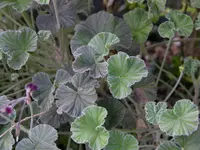
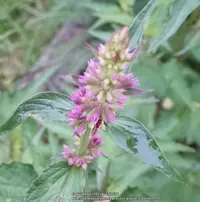
Encourage Dense Mats
Shear back flower spikes and any sparse, leggy runners right after blooming to encourage tighter groundcover and reduce weed invasion when caring for Ajuga macrosperma.

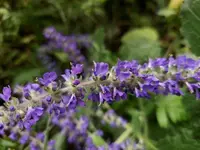
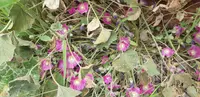
Ajuga macrosperma is a low-growing perennial in the mint family, typically forming dense ground-hugging mats. It has small opposite leaves and sends up short flower spikes with tubular blooms.
This species occurs naturally in parts of Asia, often in open woodland, grassland, or rocky slopes. Its compact habit and spreading nature make it useful as a groundcover where conditions suit it.
The plant generally prefers moderately moist, well-drained soil and light ranging from partial shade to gentle sun. Once established, it is relatively resilient, so learning how to care for Ajuga macrosperma is straightforward for most gardeners.

Care Difficulty
Easy Care

Light Preference
Partial Shade

Water Requirements
Moderate Water

Temperature Preference
Cool Climate

Hardiness Zone
5–9

Soil Texture
Loamy, Silty, Organic-rich

Soil pH
Acidic (5.5–6.5), Slightly acidic (6.5–7.0)

Soil Drainage
Moist but well-drained

Fertilization
Minimal (feed rarely)
Scan your plant to receive care tips personalized for your specific plant
Available on iOS and Android
This groundcover prefers cool conditions with soft light rather than intense, direct sun.
This plant prefers evenly moist soil that never stays waterlogged.
This hardy perennial tolerates a wide temperature range but grows best in mild conditions.
This groundcover stays healthy in typical outdoor humidity if soil moisture is consistent.
Ajuga macrosperma prefers moist, loose, well-drained soil that still holds consistent moisture.
This species adapts well to container growing when moisture and spread are managed carefully.
This groundcover performs well in average soil and benefits only from light, balanced feeding in poor or depleted sites.
Pruning helps keep Ajuga macrosperma dense, tidy, and free of damaged growth.
This species is usually grown as an outdoor groundcover, so care focuses on dividing and transplanting rather than frequent repotting.
Ajuga macrosperma is commonly propagated by division and by replanting rooted runners.
This hardy perennial usually overwinters well in much of the US with minimal intervention.

Plant Health Check
Not sure what's wrong with your plant? Check your plant's health inside the app.
This species is native to a limited region in East Asia, mainly in parts of China, where it grows in moist forest understories and along shaded slopes rather than in open grassland habitats typical of several other Ajuga species.
The species name macrosperma means large-seeded and refers to its relatively big nutlet-like fruits compared with many close relatives, a trait botanists use to help distinguish it from other members of the genus.
In its natural habitat, this plant often forms a low, spreading layer in deciduous woodland, helping stabilize soil and occupy the ground layer under taller shrubs and trees without competing strongly for light.
This species spreads by short stolons and forms dense mats over time, but it is usually moderate rather than invasive. Regular edging and lifting small clumps every few years keeps the patch within defined boundaries when growing Ajuga macrosperma.
Keep your plants happy and healthy with plant identification, disease detection, and easy care guidance.