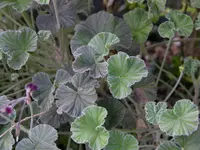
Early pinching
Pinch out the main shoot tip when plants are 10–15 cm tall to encourage a bushier shape and more flowering stems rather than one tall, weak stalk.


Aztec tobacco, Nicotiana rustica, is a fast-growing annual herb in the nightshade family, related to common cultivated tobacco. It forms a bushy plant with broad, sticky leaves and clusters of small, yellow-green tubular flowers held above the foliage.
In the wild, it comes from Central and South America but is now grown in many temperate gardens for traditional, ornamental, or research uses. The plant is vigorous and adaptable but can be strong-smelling and self-seeds readily, so it suits gardeners who can monitor its spread.
It prefers full sun, regular moisture, and well-drained, fertile soil, which makes it relatively straightforward to care for Aztec tobacco in suitable outdoor conditions.

Care Difficulty
Moderate Care

Light Preference
Full Sun

Water Requirements
Regular Water

Temperature Preference
Tropical / Frost Sensitive

Hardiness Zone
9–11

Soil Texture
Sandy, Loamy, Organic-rich

Soil pH
Acidic (5.5–6.5), Slightly acidic (6.5–7.0)

Soil Drainage
Moist but well-drained

Fertilization
Light (every 4–6 weeks)
Scan your plant to receive care tips personalized for your specific plant
Available on iOS and Android
Nicotiana rustica needs strong light to form dense foliage and abundant flowers.
This species prefers evenly moist, well-drained soil without staying soggy.
This fast-growing annual thrives in warm, frost-free conditions.
This species prefers moderate humidity but usually adapts well to typical indoor air.
Nicotiana rustica grows best in loose, well-drained, organic-rich soil that still holds moderate moisture.
This species is suitable for container growing when given enough root volume and stable support.
Nicotiana rustica benefits from modest feeding during its active growing season for sturdy growth and flowering.
Pruning Nicotiana rustica is mainly about tidiness and encouraging more blooms rather than structural shaping.
Nicotiana rustica is usually grown as an annual in beds, so transplanting seedlings at the right stage is more important than long-term repotting.
Nicotiana rustica is most commonly propagated from seed, which is small but germinates reliably under the right conditions.
Nicotiana rustica is typically grown as a frost-tender annual and does not need complex winter care in most gardens.

Plant Health Check
Not sure what's wrong with your plant? Check your plant's health inside the app.
This species has a much higher total alkaloid content, especially nicotine and related compounds, than common cultivated tobacco, which explains its notably stronger physiological effects in traditional preparations.
Archaeological evidence shows that this plant was domesticated independently by several Indigenous cultures in the Americas long before the widespread use of Nicotiana tabacum, and it remained important even after contact-era crop introductions.
The small, tubular, yellow-green flowers open mainly at dusk and emit a light scent, a combination that favors evening and nocturnal pollinators such as certain moth species over daytime pollinators.

Traditional Indigenous preparations of this plant often involved mixing the cured leaves with ashes from specific plant species, a practice that raises pH and increases the proportion of nicotine in its uncharged (free-base) form, which can enhance absorption through oral and nasal tissues.
All parts contain very high levels of nicotine and related alkaloids, which are toxic if eaten or chewed and can be absorbed through skin. Keep away from children and pets, and wear gloves when handling large amounts.
Keep your plants happy and healthy with plant identification, disease detection, and easy care guidance.