corn chamomile Care (Anthemis arvensis)

Also known as: mayweed, Wild Chamomile
corn chamomile

About corn chamomile

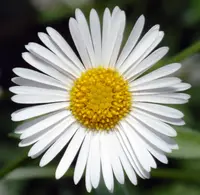
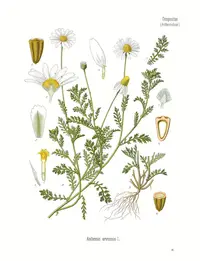
Corn chamomile, Anthemis arvensis, is an annual flowering plant in the daisy family, often found in crop fields, roadsides, and other disturbed soils. It has finely divided, feathery foliage and small, white, daisy-like flowers with yellow centers that create a soft, meadow-style look.

This species is native to Europe but has become naturalized in many temperate regions, including parts of North America. It tends to be hardy, self-seeding readily where conditions suit it.

Corn chamomile prefers open, sunny positions with relatively dry, well-drained soils and tolerates poor ground. These traits generally make it easy to establish, though its self-seeding habit should be considered when you plan how to care for corn chamomile.

Main Plant Requirements

Care Difficulty

Easy Care

Light Preference

Full Sun

Water Requirements

Low Water

Temperature Preference

Cool Climate

Hardiness Zone

3–9

Soil Texture

Sandy, Loamy, Rocky

Soil pH

Slightly acidic (6.5–7.0), Slightly alkaline (7.0–7.5)

Soil Drainage

Well-drained

Fertilization

Minimal (feed rarely)

Get Personalized Care Plan

Scan your plant to receive care tips personalized for your specific plant

Available on iOS and Android

How to Care for the corn chamomile

This annual thrives in open, bright conditions typical of field and meadow habitats.

  • Provide 6–8 hours of direct sun daily; full sun promotes compact growth and abundant flowering for corn chamomile.
  • Plant where it receives strong morning sun and can tolerate lighter afternoon exposure, or very light partial shade in hotter regions.
  • In dense shade stems stretch and flowering drops; in extreme heat, slight midday shade reduces leaf scorch and premature drying of flower heads.

This species prefers dry to moderately moist conditions and dislikes prolonged wet soil.

  • Water only when the top 3–5 cm of soil feels dry, then soak the root zone thoroughly and allow excess water to drain away.
  • Use well‑drained, sandy or loamy soil; standing water or heavy clay increases root rot risk and causes yellowing, limp foliage.
  • During cool or rainy periods, watering may be unnecessary; in hot, windy spells, plants may wilt slightly by midday but should recover by evening after a deep soak.

This hardy annual is adapted to temperate climates with cool to warm growing seasons.

  • Ideal growth occurs around 55–75°F (13–24°C), with best flowering in the cooler part of this range.
  • Mature plants tolerate light frost down to about 25–28°F (-4 to -2°C), but young seedlings are more sensitive and benefit from protection.
  • In hot spells above 85°F (29°C), flowering slows and plants may decline sooner, especially if combined with drought and reflected heat from walls or paving.

This annual tolerates a wide humidity range and rarely needs special adjustments in typical home conditions.

This species prefers lean, well-structured mineral soil that drains quickly and does not stay wet.

  • Use a sandy or sandy-loam mix with low to moderate organic matter, such as 2 parts garden loam, 2 parts coarse sand, 1 part compost.
  • Aim for slightly acidic to neutral pH, around 6.0–7.5, which suits Anthemis arvensis in most garden settings.
  • Ensure very sharp drainage by incorporating coarse sand or fine grit so water passes through within a few seconds of watering.
  • Avoid heavy clay, peat-heavy, or compacted substrates that hold water for long periods or crust hard on the surface.

This species can grow in containers outdoors if the pot is set up to mimic its naturally dry, well-drained conditions.

  • Select a wide, shallow pot that allows fibrous roots to spread while keeping the substrate from holding deep pockets of moisture.
  • Choose a gritty, free-draining container mix so water runs out within seconds, preventing root and crown rot in wet weather.
  • Use a heavier material pot, such as terracotta or ceramic, to keep lightweight, top-growth-stemmed plants stable in windy conditions.

Corn chamomile (Anthemis arvensis) usually grows well in lean soils, but light feeding can support stronger flowering in poor ground.

  • Use a balanced, diluted liquid fertilizer (around 10-10-10 at 1/2 strength) every 4–6 weeks during active spring–summer growth if soil is very poor.
  • Alternatively, top-dress with a thin layer of mature compost in early spring instead of frequent liquid feeds.
  • Avoid high-nitrogen products, which encourage weak, leafy growth over flowers.
  • Stop feeding in late summer and do not apply fertilizer during fall–winter dormancy.

Anthemis arvensis benefits from simple, light pruning to maintain flowering and a tidy form.

  • Deadhead spent flower stems through summer using clean scissors or hand pruners to prolong blooming.
  • In late summer or early fall, shear back straggly growth by 1/3 to keep plants compact and encourage fresh shoots.
  • Remove dead, diseased, or storm-damaged stems whenever noticed to reduce disease risk.
  • Thin out crowded stems at the base to improve air movement and reduce mildew in humid climates.

This annual or short-lived Anthemis species is more often transplanted outdoors than repotted long term in containers.

  • Transplant seedlings outdoors in spring after frost, when plants have several true leaves and roots hold the plug together.
  • Move plants if they become stunted, rootbound in starter cells, or dry out very quickly due to crowded roots.
  • Choose a sunny site with well-drained soil; water before and after moving to limit transplant shock.
  • Disturb roots as little as possible, firm soil gently around the root ball, and provide a few days of consistent moisture.

Anthemis arvensis is most often renewed by seed rather than vegetative methods.

  • Collect seed from dry flower heads in late summer and store cool and dry until sowing.
  • Sow in early spring or fall onto the soil surface or barely covered, as seeds need light to germinate well.
  • Keep the seedbed evenly moist and in full sun; expect germination in 1–3 weeks depending on temperature.
  • In mild climates, allow some seed heads to shatter naturally for self-sown seedlings the following season.

In most temperate climates, Anthemis arvensis behaves as a hardy self-seeding annual that needs little deliberate winter care.

  • Plants tolerate light frost but may die back with hard freezes; future displays often rely on reseeding.
  • In colder regions, leave some seed heads and standing stems until late winter to support natural reseeding.
  • Mulch lightly on very exposed, erosion-prone sites to stabilize soil without burying seeds too deeply.

Care Tips

Pinch For Bushiness

Pinch out the soft tip of each young stem when plants are 10–15 cm tall to encourage branching and a denser flowering canopy rather than a few tall, floppy stems.

Staggered Succession Sowing

Sow small batches every 2–3 weeks in spring rather than all at once to extend the flowering period and keep a fresh flush of blooms for cutting or habitat value.

Lean Soil Management

If the soil is very rich, mix in extra sand or fine grit in the planting strip to create slightly lean conditions that reduce lodging and improve flower production.

Wind Exposure Training

Grow seedlings in a slightly breezy, open spot or run a hand gently over them daily under cover so stems become stockier and less likely to collapse in exposed sites when growing corn chamomile outdoors.

Self-Seeding Control

If naturalizing is not desired, deadhead most spent flowers before seeds ripen, but leave a few heads on selected plants to drop seed in a controlled area for an easy, self-renewing patch.

Common Pests and Diseases

Aster yellows

This disease causes yellowing, stunted growth, and distorted, bushy shoots, often with small, malformed flower heads that may stay green. Symptoms include irregular leaf shape and loss of normal flower color and form.

Solution

Remove and destroy symptomatic plants promptly to reduce the source of infection, since this disease is spread by leafhoppers and cannot be cured. Reduce nearby weed hosts and monitor for leafhoppers, using fine mesh row covers or yellow sticky traps where practical to limit insect vectors as part of Anthemis arvensis care instructions.

Powdery mildew

This disease produces white, powdery patches on leaves and stems, which can lead to leaf yellowing and premature drop in dense stands. Symptoms include a dusty appearance on foliage, especially in warm, dry air with crowded growth.

Solution

Thin crowded plants to improve airflow and avoid overhead watering, keeping foliage as dry as possible. If the problem persists, remove heavily infected material and apply a sulfur or potassium bicarbonate-based fungicide labeled for ornamental herbs, following the directions carefully.

Aphids

These insects feed on young shoots and buds, causing curling or distortion of leaves and sticky honeydew deposits that can attract sooty mold. This pest often gathers on stem tips and undersides of leaves, especially in lush, nitrogen-rich growth.

Solution

Dislodge colonies by spraying plants with a firm stream of water, focusing on shoot tips and leaf undersides. For persistent infestations, introduce or conserve natural enemies such as lady beetles or apply insecticidal soap or horticultural oil, ensuring thorough coverage and repeating as needed according to label directions.

Chamomile leaf miner

This pest creates winding, pale tunnels inside leaves that can cause blotchy discoloration and reduced photosynthesis. Symptoms include serpentine mines and premature leaf yellowing or drop in heavier infestations.

Solution

Remove and discard mined leaves as soon as damage is noticed to reduce larval numbers. For recurrent problems in the same area, use floating row covers over young plants and encourage parasitic wasps by avoiding broad-spectrum insecticides that harm beneficial insects.

Botrytis blight

This disease leads to soft, water-soaked spots on flowers and foliage that quickly turn brown and may develop gray, fuzzy mold in cool, damp weather. Symptoms include collapse of flower heads and spotting on stems, especially in dense, poorly ventilated plantings.

Solution

Promptly remove and discard affected flowers and leaves and avoid overhead irrigation, watering at the base early in the day so plants dry quickly. Improve spacing and airflow, and in persistent, wet conditions consider applying a labeled fungicide for gray mold as a protective measure on healthy tissue.

Interesting Facts

Native to cereal fields

Anthemis arvensis naturally occurs in dry, open cereal fields and disturbed arable soils across much of Europe, where it behaves as a classic arable weed adapted to regular tilling and soil disturbance.

Strongly foetid foliage

When crushed, the leaves of corn chamomile release a strong, often described as unpleasant, smell due to volatile compounds in its glandular hairs, which likely help deter some herbivores.

High seed production

A single corn chamomile plant can produce many small, dry fruits (achenes) that lack the parachute-like pappus seen in true daisies, relying instead on soil movement and agricultural machinery for short-distance spread.

FAQs about corn chamomile

Poor flowering usually comes from insufficient light, overly rich nitrogen-heavy soil, or lack of deadheading. Check that the plant receives full sun, soil drains well, and spent blooms are removed to redirect energy into new flower production.

Grow Healthy Plants with Botan Care

Keep your plants happy and healthy with plant identification, disease detection, and easy care guidance.

Botan plant care app — identify plants on mobile

Explore More Plants