Santa Barbara daisy Care (Erigeron karvinskianus)

Also known as: mexican fleabane, St Peter Port Daisy, Mexican daisy, Wall Daisy, daisy fleabane, Santa Barbara daisy, seaside daisy
Santa Barbara daisy

About Santa Barbara daisy

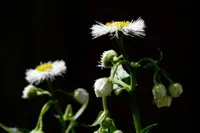
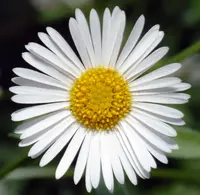
Santa Barbara daisy, Erigeron karvinskianus, is a compact, spreading perennial often used as a groundcover or to soften edges of paths and walls. It forms loose mounds of fine foliage covered in many small, daisy-like flowers. The blooms open white and age to pink, creating a two-tone effect on the same plant. It naturally occurs in Mexico and Central America but has become popular in mild coastal climates. This species is generally easy to grow, as it tolerates poor soil, light drought, and some neglect. Those traits make it simple to care for Santa Barbara daisy in many garden settings.

Main Plant Requirements

Care Difficulty

Easy Care

Light Preference

Full Sun

Water Requirements

Moderate Water

Temperature Preference

Cool Climate

Hardiness Zone

5–8

Soil Texture

Sandy, Loamy, Rocky

Soil pH

Acidic (5.5–6.5), Slightly acidic (6.5–7.0)

Soil Drainage

Well-drained

Fertilization

Minimal (feed rarely)

Get Personalized Care Plan

Scan your plant to receive care tips personalized for your specific plant

Available on iOS and Android

How to Care for the Santa Barbara daisy

This daisy prefers bright, open sites with plenty of direct sun for best flowering.

  • Provide 6–8 hours of direct sun daily; morning sun with light afternoon shade suits most climates and reduces stress.
  • Tolerates light or partial shade (around 3–4 hours sun), but Santa Barbara daisy may flower less densely and grow more loosely.
  • In hot, inland summers, protect from harsh late-afternoon sun to prevent leaf scorch and premature flower fading.

This plant prefers moderately dry conditions and suffers more from excess water than from brief dryness.

  • Allow the top 3–5 cm of soil to dry before watering; check by inserting a finger into the soil rather than following a strict schedule.
  • In spring and early summer, water when foliage begins to look slightly dull or limp, then reduce frequency once roots are established.
  • Use well-drained soil or a sloped site to prevent standing water, which can cause root rot, yellowing leaves, and sudden collapse in Erigeron karvinskianus.

This species handles a wide temperature range but performs best in mild, temperate conditions.

  • Ideal growth occurs around 60–75°F (16–24°C), with steady flowering in regions that avoid extreme summer heat.
  • Mature plants typically tolerate down to about 15–20°F (-9 to -6°C); mulching crowns in winter helps survival in colder areas.
  • Handles dry summer heat up to about 90–95°F (32–35°C) if soil is not waterlogged, but prolonged hotter periods can reduce flowering and stress foliage.

Humidity is rarely a limiting factor for Erigeron karvinskianus in typical outdoor conditions.

Erigeron karvinskianus prefers light, well-drained soil that does not stay wet after rain or watering.

  • Use a gritty mix such as 50–70% sandy or loamy garden soil blended with coarse sand or fine gravel to prevent compaction.
  • In containers, combine roughly 60% all-purpose potting mix with 40% mineral material (coarse sand, perlite, or small grit) for sharp drainage.
  • Aim for slightly acidic to neutral pH, about 6.0–7.5, and mix in a thin layer of compost for modest organic content without making the soil heavy.
  • Avoid heavy clay, waterlogged spots, or dense peat-based mixes, which reduce aeration and greatly increase the risk of root rot.

This species is well suited to container growing, especially in small patios, balconies, and dry borders.

  • Choose a wide, shallow to medium-depth pot that allows the spreading root system and trailing stems to fill the surface without becoming root-bound too quickly.
  • Use a heavier material like terracotta or ceramic outdoors so the container stays stable as the plant cascades over the rim.
  • Fill the pot with a sharply drained gritty mix, then raise the container slightly on feet or bricks to keep drainage holes clear and prevent water pooling under the base.

This plant needs only light feeding, as Santa Barbara daisy thrives in relatively lean soil.

  • Apply a balanced, slow-release fertilizer (around 10-10-10) at half strength once in early spring for in-ground plants.
  • For containers, use a diluted balanced liquid feed (1/4–1/2 strength) every 4–6 weeks during active growth.
  • Incorporate a thin layer of compost around the base in spring instead of heavy synthetic feeding.
  • Stop fertilizing in late summer and do not feed in winter, when growth slows or pauses.

Thoughtful pruning keeps Erigeron karvinskianus compact, tidy, and flowering well.

  • Shear back spent flower stems in mid to late summer to encourage fresh growth and a second flush of blooms.
  • In early spring, remove dead, damaged, or weak stems with clean hand pruners at their base.
  • Thin out crowded patches to maintain airflow and prevent fungal problems in dense mats.
  • Lightly trim straggly edges to control spread and keep a neat mound or edging line.

This species is more often transplanted in the garden than kept long term in containers.

  • Transplant or divide in early spring or early fall, when temperatures are mild and soil is workable.
  • Move clumps that show bare, woody centers or poor flowering, spacing them so roots are not crowded.
  • For containers, repot every 2–3 years when roots circle the pot or growth becomes stunted.
  • Water well before and after moving, keep roots shaded and moist, and avoid disturbing the root ball more than necessary.

Erigeron karvinskianus is commonly propagated by division, cuttings, and seed.

  • Divide mature clumps in early spring, replanting vigorous outer sections into well-drained soil.
  • Take 5–8 cm softwood cuttings in late spring, insert into moist, free-draining mix, and keep in bright, indirect light.
  • Sow fresh seed in spring on the surface of light compost; do not bury deeply, as light aids germination.
  • Maintain gentle, even moisture and moderate warmth (60–70°F) until cuttings root or seedlings establish.

This plant is moderately cold hardy and usually needs only simple winter care in most mild climates.

  • In zones near its cold limit, add a 3–5 cm layer of mulch around the root zone in late fall.
  • Allow top growth to die back naturally, then trim off dead stems in late winter or early spring.
  • For container plants in colder regions, move pots to a sheltered, frost-free but cool location.

Care Tips

Cascading Habit Training

Plant near the edge of walls, steps, or containers and gently guide new stems over the edge early in the season so they develop a dense, trailing curtain instead of flopping randomly across walkways.

Self-Seeding Management

Allow some faded flowers to remain and drop seed where you want the plant to spread, but deadhead promptly along paths, gravel, or cracks where it tends to self-sow aggressively.

Companion Groundcover Use

Tuck small divisions into gaps between paving stones, retaining walls, or rock crevices to soften hard edges and create a living mulch that helps suppress small weeds without competing heavily with larger plants.

Shear-and-Feed Rejuvenation

Once or twice a year, shear the whole clump back by about one-third after a main flush of bloom, then water and lightly feed to prompt a fresh carpet of foliage and new flowers.

Winter Drainage Protection

In colder or wetter regions, improve survival by planting on a slight slope or raised berm, and top-dress with a thin layer of grit or fine gravel around the crown to keep it from sitting in water during winter when growing Santa Barbara daisy.

Common Pests and Diseases

Powdery mildew

This disease produces white, dusty patches on leaves and young stems, often in warm days with cool, humid nights. Symptoms include distorted new growth and gradual loss of vigor, especially in crowded clumps or containers.

Solution

Improve airflow by thinning dense growth and avoid overhead watering late in the day. Remove and discard badly affected stems, then apply a sulfur-based or potassium bicarbonate fungicide labeled for ornamentals, repeating as directed until new growth stays clean.

Botrytis blight

This disease causes soft, brown, water-soaked patches on flowers and foliage that quickly develop fuzzy gray mold in damp, shaded conditions. Symptoms include collapsing flower stalks and rotting basal foliage in poorly ventilated spots or overly wet containers.

Solution

Remove all affected flowers and leaves promptly and dispose of them in the trash, not in compost. Reduce moisture on the foliage, increase spacing or airflow, and if needed use a labeled ornamental fungicide for gray mold, focusing treatments during wet, cool periods.

Aphids

These insects cluster on soft shoot tips and flower stems, sucking sap and excreting sticky honeydew that can attract sooty mold. This pest can cause curled leaves, stunted stems, and reduced flowering, especially on young or container-grown plants.

Solution

Spray infested stems with a strong stream of water to dislodge the insects, repeating every few days. For persistent colonies, use insecticidal soap or a light horticultural oil, coating the undersides of leaves and tender shoots while avoiding treatments during very hot, sunny periods.

Spider mites

These pests are tiny sap-feeding arachnids that thrive in hot, dry sites and can cause fine stippling, bronzing, and premature leaf drop. Symptoms include delicate webbing between stems and a dull, dusty appearance on the foliage of stressed plants or wall plantings.

Solution

Increase humidity around the plant by occasional hose-spraying of foliage and reduce drought stress with regular, moderate watering. Rinse leaves thoroughly to wash off mites, then apply insecticidal soap or horticultural oil to both leaf surfaces, repeating at 5–7 day intervals until new growth appears clean.

Leaf spot

This disease produces small tan to brown spots on foliage, sometimes with darker margins, which can merge to create larger dead patches in wet seasons. Symptoms include early leaf drop on lower stems, especially where plants are dense or repeatedly overhead-watered.

Solution

Remove and discard affected leaves and any heavy leaf litter around the plant to reduce spores. Water at soil level, allow plants to dry between waterings, and if spotting continues, use a copper-based or other labeled ornamental fungicide, focusing on new foliage during wet weather to support long-term Erigeron karvinskianus care.

Interesting Facts

Color‑shifting daisies

Individual flower heads open white, then gradually age through pink to deeper magenta, so a single plant often shows several colors at once on the same cushion of foliage.

Crack and wall colonizer

This species naturally seeds into gaps in paving, stone walls, and steps, where its thin roots exploit tiny crevices without needing deep soil, making it a characteristic plant of old walls in mild, maritime climates.

Long blooming season

In mild climates it can flower almost continuously from spring into late autumn, with each flower head surviving for weeks as it slowly changes color instead of dropping quickly.

Botan icon

Did you know?

In parts of the British Isles and coastal western Europe, this Mexican native has become so adept at self‑seeding along seaside walls, harbor structures, and cobbled streets that it is now considered naturalized and forms distinctive, persistent urban wildflower populations.

FAQs about Santa Barbara daisy

This species spreads by self-seeding and short trailing stems, forming loose mats over time. In mild climates it can naturalize, but it is usually manageable with edging, deadheading spent flowers, and removing unwanted seedlings each season.

Grow Healthy Plants with Botan Care

Keep your plants happy and healthy with plant identification, disease detection, and easy care guidance.

Botan plant care app — identify plants on mobile

Explore More Plants