pineapple weed Care (Matricaria discoidea)

Also known as: disc mayweed, rayless mayweed, wild chamomile, pineapple mayweed, rayless chamomile
pineapple weed

About pineapple weed

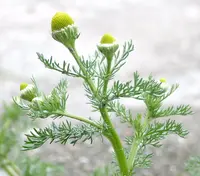
Pineapple weed (Matricaria discoidea) is a small, aromatic annual herb in the daisy family. It often appears as a low, spreading plant in disturbed ground and compacted soil. The plant forms feathery, finely divided leaves and yellow-green cone-shaped flower heads without showy petals. When crushed, the flowers and foliage release a pineapple-like scent. It commonly grows along paths, driveways, fields, and roadsides across much of North America and other temperate regions. This species is generally hardy, self-seeding, and tolerant of poor soils and light foot traffic, which makes it easy to establish. It favors full sun, moderate moisture, and well-drained soil, so it is simple to care for pineapple weed in informal garden areas.

Main Plant Requirements

Care Difficulty

Easy Care

Light Preference

Full Sun

Water Requirements

Moderate Water

Temperature Preference

Cold Hardy

Hardiness Zone

3–9

Soil Texture

Sandy, Loamy, Silty

Soil pH

Slightly acidic (6.5–7.0), Neutral (7.0)

Soil Drainage

Well-drained

Fertilization

Minimal (feed rarely)

Get Personalized Care Plan

Scan your plant to receive care tips personalized for your specific plant

Available on iOS and Android

How to Care for the pineapple weed

This low-growing annual thrives in open, sunny sites but tolerates some shade.

  • Provide 6–8 hours of direct sun daily for compact growth and strong scent, ideally with morning sun and light afternoon shade in hotter regions.
  • Accepts light to partial shade (3–5 hours sun), but flowering and aroma of pineapple weed decrease as shade increases.
  • In summer, avoid reflected heat from pavement that can scorch foliage; in cooler months, choose the brightest, least-shaded spot to maintain dense growth.

This hardy species prefers slightly dry conditions and does not like consistently wet soil.

  • Allow the top 2–4 cm of soil to dry between waterings; in open ground, water deeply only after several days without rain and noticeable soil dryness.
  • Choose well-drained, sandy or loamy soil so roots of Matricaria discoidea are not sitting in water, which leads to root rot and weak, floppy growth.
  • Watch foliage as a guide: pale, limp stems with soggy soil signal overwatering, while dull, wilting leaves and very dry, cracked soil signal the need for a thorough soak.

This plant is adapted to cool to warm climates and tolerates a wide range of outdoor temperatures.

  • Best growth occurs around 60–75°F (16–24°C), especially in spring and early summer when days are mild and nights are cool.
  • Plants tolerate down to about 20–25°F (-6 to -4°C); hard frosts may kill top growth, but self-sown seed often survives winter and germinates in spring.
  • Handles summer heat up to about 85–90°F (29–32°C) if soil is not waterlogged; during very hot, dry periods, brief shade and slightly increased watering reduce stress.

This species grows well in 30–60% humidity and usually does not need special humidity management.

  • Pineapple weed tolerates dry air and wind, as long as the soil is not kept constantly wet.
  • Humidity stress shows mainly as soft, collapsing stems combined with overwatered soil rather than crisp, dry leaf tips.
  • In very hot, arid sites, light mulching around the roots helps buffer moisture swings more effectively than misting.

This plant prefers lean, well-drained, often sandy soil and copes well with disturbed ground.

  • Use a mix of 50–60% sandy or gritty mineral soil with 40–50% low to moderate compost to keep nutrients modest.
  • Ensure rapid drainage; water should infiltrate within seconds and not pool on the surface or the taproot may rot.
  • Aim for a slightly acidic to neutral pH around 6.0–7.5, which supports stable growth without nutrient imbalance.
  • For Matricaria discoidea in compacted or heavy ground, loosen the top 15–20 cm with added coarse sand or fine grit to improve aeration.

This species is suitable for shallow containers and window boxes if water drains quickly.

  • Choose a wide, shallow pot so the spreading roots and shoots can colonize the surface without deep, soggy soil layers.
  • Use a very free-draining mix and keep the pot raised on feet or bricks so the drainage holes never sit in runoff trays.
  • Place containers in full sun but protect dark plastic pots from intense afternoon heat, which can overheat the small root zone.

This wild annual usually needs no fertilizer, especially in reasonably fertile soil.

Pruning Matricaria discoidea is minimal and mainly for tidiness and seed control.

  • Use small scissors or hand shears to remove spent flower heads once petals fade to limit self-seeding.
  • Trim leggy or sprawling stems in mid to late summer to maintain a compact, bushy shape.
  • Cut back damaged or diseased growth whenever noticed, disposing of infected material in the trash.

This species is typically grown in the ground or allowed to self-seed rather than kept long term in containers.

  • If container-grown, transplant seedlings outdoors in spring once frost risk passes and roots lightly fill the plug or small pot.
  • Choose a sunny, well-drained site and loosen the top 10–15 cm of soil before moving plants.
  • Water the plant well before and after transplanting to limit root stress and help soil settle.
  • Handle roots gently and plant at the same depth as before, avoiding deep burial of stems.

This annual is most commonly propagated from seed rather than cuttings or division.

  • Sow seeds in early to mid spring outdoors where plants are to flower or in trays under cover.
  • Press seeds lightly onto the soil surface; they need light to germinate and should not be deeply buried.
  • Keep the substrate evenly moist at 60–70°F until seedlings appear, usually within 7–21 days.
  • Thin seedlings to prevent overcrowding, allowing good airflow and sturdier growth.

This short-lived annual dies back naturally with hard frost and needs no special winter care once seeds are set.

Care Tips

Encourage Successive Bloom

Harvest flower heads frequently and lightly shear spent blooms every 7–10 days during peak season to keep plants compact and extend flowering over a longer period when growing pineapple weed.

Controlled Self-Seeding

If you want naturalized patches but not a lawn full of seedlings, allow a few plants to set seed in a designated strip, then mow or hand-remove any unwanted seedlings as soon as they appear elsewhere.

Low-Traffic Compaction

Take advantage of the plant’s tolerance of foot traffic by growing it along lightly used paths, but avoid heavy trampling in wet conditions to prevent root damage and soil sealing.

Clean Harvest Practice

When harvesting for tea or medicinal use, pick flower heads during dry weather and avoid plants growing at the immediate edge of busy roads, parking lots, or treated lawns to reduce contamination risk.

Targeted Weed Control

In mixed plantings, edge the Matricaria patch with a sharp spade 2–3 times per season to stop rhizomatous or aggressive neighboring weeds from encroaching and outcompeting young plants.

Common Pests and Diseases

Aphids

These insects feed on young shoots and flower buds, causing distortion, sticky honeydew, and reduced vigor in pineapple weed stands. This pest is more common in nutrient-rich, roadside, or field-edge populations.

Solution

Rinse plants with a firm stream of water to dislodge colonies, then repeat every few days as needed. In small patches, pinch or cut back heavily infested tips and encourage natural predators such as lady beetles by avoiding broad-spectrum insecticides nearby.

Powdery mildew

This disease appears as a white, powdery coating on leaves and stems, often in dense or humid plantings. Symptoms include yellowing foliage and reduced flowering when infection is heavy.

Solution

Improve airflow by thinning crowded plants and avoiding overhead watering late in the day. Remove and discard the most affected stems, and if the plant is being intentionally cultivated, relocate new plantings to a sunnier, better-ventilated area to reduce future infections.

Leaf spot

This disease causes small brown to dark spots on leaves, sometimes with a yellow halo, leading to premature leaf drop in dense, moist patches. Symptoms include a generally thinned canopy and stressed plants in low-lying or poorly drained areas.

Solution

Remove and dispose of spotted or heavily affected foliage to reduce inoculum, and avoid wetting the leaves when watering nearby cultivated plants. Improving drainage and spacing, and rotating harvest areas if the plant is foraged or lightly cultivated, helps limit recurring outbreaks.

Spider mites

These pests are tiny sap-feeding arachnids that thrive in hot, dry sites such as compacted paths or gravel areas, causing fine stippling, dull foliage, and sometimes light webbing. This pest can weaken plants and reduce the aromatic quality of flower heads if populations become dense.

Solution

Spray foliage with a strong but controlled stream of water to knock mites off, focusing on the undersides of leaves, and repeat regularly in dry weather. If plants are grown intentionally, maintain moderate soil moisture and consider using insecticidal soap targeted to the affected patches, while keeping spray off beneficial insects as much as possible.

Interesting Facts

Pineapple aroma cones

This species has cone-like, rayless flower heads that release a distinct pineapple-like scent when crushed, due to its essential oil composition and dense glandular tissue.

Compacted soil specialist

Pineapple weed commonly colonizes heavily disturbed, compacted ground such as paths, driveways, and field entrances, where many other small annuals struggle to establish.

Rayless chamomile relative

Although closely related to chamomile, it lacks the white petal-like ray florets entirely, showing only yellow-green tubular disc florets packed into a domed head.

Botan icon

Did you know?

Matricaria discoidea is native to northeastern Asia but has become a nearly cosmopolitan species through unintentional human introduction, spreading along roads, trade routes, and disturbed ground across much of North America and Europe.

FAQs about pineapple weed

This species self-seeds very readily and can spread quickly in disturbed soil, paths, and lawns. Regular deadheading, mulching bare ground, and pulling unwanted seedlings help keep it contained and prevent it from dominating small areas.

Grow Healthy Plants with Botan Care

Keep your plants happy and healthy with plant identification, disease detection, and easy care guidance.

Botan plant care app — identify plants on mobile

Explore More Plants