Brahea dulcis Care

Brahea dulcis

About Brahea dulcis

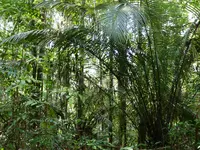
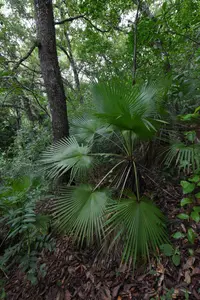
Brahea dulcis, often called the rock palm or sweet brahea, is a small to medium fan palm native to dry, upland regions of Mexico and Central America. It typically forms a stout trunk crowned with stiff, blue‑green fan-shaped leaves, giving a compact, architectural look in gardens or large containers. Growth is slow to moderate, which makes it easier to manage in smaller spaces. This species tolerates heat, sun, wind, and short dry periods once established, so it suits low-maintenance landscapes in warm climates. It prefers bright light, well-drained soil, and modest watering, which simplifies how to care for Brahea dulcis compared with more tropical palms.

Main Plant Requirements

Care Difficulty

Moderate Care

Light Preference

Full Sun

Water Requirements

Low Water

Temperature Preference

Warm Climate

Hardiness Zone

8–11

Soil Texture

Sandy, Loamy, Rocky

Soil pH

Slightly acidic (6.5–7.0), Neutral (7.0)

Soil Drainage

Well-drained

Fertilization

Minimal (feed rarely)

Get Personalized Care Plan

Scan your plant to receive care tips personalized for your specific plant

Available on iOS and Android

How to Care for the Brahea dulcis

This species prefers bright, open conditions with strong sun once established.

  • Provide 6–8 hours of direct sun daily; morning and early afternoon sun promote compact growth and sturdy leaves for Brahea dulcis.
  • Young plants benefit from light afternoon shade or filtered light in very hot, dry regions to reduce leaf scorch and transplant stress.
  • In cooler or coastal climates, full sun all day is suitable, but in hotter inland sites increase shade to 20–30% during peak summer to prevent burn.

This palm is drought-tolerant once established but grows best with deep, infrequent watering in well-drained soil.

  • Outdoors in the ground, water only when the top 5–8 cm of soil are fully dry, soaking the root zone rather than giving light surface drinks.
  • In the first 1–2 growing seasons, increase watering frequency during hot, dry periods, then gradually extend intervals as roots deepen and the plant hardens.
  • Watch for yellowing, soft leaf bases and soggy soil as signs of overwatering; crisp brown leaflet tips and folding fronds usually indicate underwatering.

This hardy desert-adapted palm tolerates a wide temperature range if changes are gradual.

  • Optimal growing temperatures are around 70–90°F (21–32°C), with slower but still acceptable growth down to about 60°F (16°C).
  • Mature plants can survive brief drops to about 15–20°F (-9 to -6°C) when dry, but young plants are safer above 25°F (-4°C) and benefit from frost protection.
  • Heat tolerance is high up to 100–110°F (38–43°C) if soil moisture is adequate; avoid sudden cold snaps after warm spells, which increase tissue damage risk.

This palm tolerates a wide humidity range and usually does not need special humidity control indoors or outdoors.

  • Target 30–50% humidity, similar to most heated homes, without deliberate humidification.
  • Brahea dulcis handles short periods of drier air without leaf damage when watering and light are correct.
  • True humidity stress is rare; if tips brown uniformly, first rule out underwatering, salt buildup, or strong sun before changing humidity.

Brahea dulcis prefers mineral, sharply drained soil that never stays waterlogged.

  • Use a gritty mix such as 50–60% coarse sand or pumice with the rest loam and a small amount of compost for nutrients.
  • Ensure fast drainage; water should fully pass through within seconds, not remain pooling on the surface.
  • Aim for slightly alkaline to neutral pH around 7.0–7.8, avoiding very acidic mixes based on peat alone.
  • Improve aeration by adding coarse perlite or small gravel and avoid dense clay or compacted garden soil that holds standing water.

This species is suitable for large, outdoor containers when given enough root space and strong drainage.

  • Choose a tall, heavy pot to anchor the developing trunk and reduce tipping in strong wind.
  • Favor unglazed clay or other porous materials that let the mix dry between waterings in sun-exposed sites.
  • Keep the soil level several cm below the rim so deep, infrequent watering does not spill over and destabilize the pot.

This palm benefits from light, steady feeding but grows acceptably in lean soils.

  • Use a slow-release palm or balanced fertilizer (around 10-10-10 or 12-4-12) in spring as growth starts.
  • Apply 1–2 times during the warm growing season, following label rates rather than exceeding them.
  • Reduce or stop feeding in fall and winter when growth slows markedly.
  • On poor soils, incorporate a thin layer of compost over the root zone once a year.

Brahea dulcis needs minimal pruning focused on safety and plant health rather than shaping.

  • Best time is late winter or early spring before strong new growth begins.
  • Remove only dead, brown, or badly damaged fronds and any flower stalks after seed set if not desired.
  • Keep some green lower fronds to avoid stressing the palm and maintain a balanced canopy.
  • Use sharp, clean loppers or a pruning saw, cutting close to the trunk without gouging it.

This palm is usually landscape-grown, so focus on careful transplanting rather than frequent repotting.

  • Transplant in late spring or early summer once nights stay consistently above about 55°F.
  • Look for circling roots, stunted growth, or a pot that dries out in 1 day as signs a container plant needs a larger pot.
  • Move to a container only 1–2 sizes larger or to a permanent ground site with well-drained soil.
  • Minimize root stress by keeping the root ball intact, watering deeply after planting, and shading temporarily in very hot, dry weather.

Brahea dulcis is almost always propagated from seed and requires patience and stable warmth.

  • Collect ripe, fully colored seeds and clean off fruit pulp before sowing.
  • Sow in warm conditions around 75–85°F in late spring or summer, using a very well-drained, gritty mix.
  • Keep the medium evenly slightly moist, never waterlogged, since seeds may take several months to germinate.
  • Provide bright light, gentle air movement, and careful watering once seedlings emerge to avoid damping-off disease.

This species is relatively cold tolerant but young plants benefit from some winter protection in cooler climates.

  • Mature palms can handle light frosts, but repeated drops below about 20°F may cause leaf damage.
  • Apply 5–8 cm of mulch around the root zone, keeping it slightly away from the trunk base.
  • In severe cold spells, loosely wrap the crown with breathable frost cloth or burlap, especially on young plants.
  • Container specimens in cold regions should be moved to a bright, frost-free space above 35–40°F for the winter.

Care Tips

Wind acclimation

If moving a nursery-grown plant outdoors, gradually expose it to stronger wind over 2–3 weeks to build a sturdier trunk and reduce leaflet shredding.

Trunk base protection

Keep mulch and soil pulled back 5–8 cm from the trunk base to reduce risk of fungal rot and discourage rodents from chewing the stem.

Deep root encouragement

In the first 2–3 years, use less frequent but deep irrigation in a wide ring around the plant to encourage a broad, deep root system that improves drought tolerance.

Cold event preparation

Before an expected hard frost, tie the fronds loosely upward with soft twine and wrap the crown with breathable frost cloth to protect the growing point.

Weed and grass exclusion

Maintain a clean, mulch-covered circle at least 60–90 cm around the plant, free of turf and weeds, to reduce competition for water and nutrients when growing Brahea dulcis.

Common Pests and Diseases

Palm leaf scale

This pest appears as small, flat, brown or gray bumps on fronds and leaf stalks, often causing yellow spotting and a dull, sticky surface from honeydew. Severe infestations can stunt growth and weaken the palm over time.

Solution

Prune and discard heavily infested fronds, then wipe remaining leaves and petioles with a cloth dipped in mild soapy water or horticultural oil, making sure to reach the undersides. For persistent cases outdoors, use a targeted horticultural oil or systemic insecticide labeled for palms, and reduce plant stress by correct watering and full-sun exposure appropriate for growing Brahea dulcis.

Palm aphids

These insects cluster on young leaves, flower stalks, and leaf bases, producing sticky honeydew that can attract ants and lead to sooty mold growth. Symptoms include distorted new growth and a shiny or blackened coating on fronds.

Solution

Dislodge aphids with a firm stream of water and remove badly affected fronds if practical. If populations remain, apply insecticidal soap or horticultural oil to all leaf surfaces in the early morning or evening and manage nearby ant activity to reduce reinfestation.

Palm leaf spot

This disease causes tan, brown, or dark spots on the leaf blades, sometimes with yellow halos, which can merge into larger dead patches under humid or poorly ventilated conditions. Symptoms include premature browning and shedding of older fronds.

Solution

Remove and dispose of spotted, dying fronds to lower the source of spores, and water at the base rather than over the foliage to keep leaves dry. Improve air movement around the palm, avoid overhead irrigation in the evening, and in severe recurring cases consider a fungicide labeled for palm leaf spots applied according to label directions.

Ganoderma butt rot

This disease affects the lower trunk and root flare, leading to gradual decline, reduced vigor, yellowing fronds, and eventual collapse. Symptoms include a hard, varnished, brown shelf-like mushroom (conk) at the base of the palm trunk.

Solution

Remove and destroy affected palms promptly, including as much of the stump and major roots as possible, since there is no effective curative treatment. Do not replant another palm in the same planting hole, and avoid trunk injuries or chronic overwatering in nearby palms to reduce future risk.

Spider mites

These pests are tiny and often appear during hot, dry conditions, causing fine speckling, dull or silvery fronds, and sometimes thin webbing on the undersides of leaves. Symptoms include slow decline and loss of the natural bluish or glaucous tone of the foliage.

Solution

Rinse fronds thoroughly with water, focusing on the undersides, and repeat several times over 1–2 weeks to disrupt mite populations. If mite activity continues, use insecticidal soap or a miticide labeled for use on palms, and keep the plant adequately watered but not overwatered to reduce stress that favors mite outbreaks.

Interesting Facts

Waxy blue foliage

The leaves of this species often develop a distinctive bluish or silvery waxy coating that helps reduce water loss and reflects intense sunlight in its native semi‑arid habitats.

Edible sweet fruits

Its small, round fruits are locally eaten in parts of Mexico, where they are sometimes used fresh or processed into traditional sweets and beverages.

Traditional fiber source

Leaf segments have long been harvested by Indigenous and rural communities to produce durable fibers for hats, baskets, and other handwoven goods, forming part of local cottage industries.

Botan icon

Did you know?

This palm is native to seasonally dry upland regions of Mexico and Central America, where it can form localized stands that provide structural habitat and food resources for birds, bats, and other wildlife, making it an important component of certain dry forest and scrub ecosystems.

FAQs about Brahea dulcis

This palm grows slowly, typically adding 5–15 cm of trunk per year in suitable outdoor conditions. Growth is slower in cooler climates or containers, and young plants may seem almost unchanged for several seasons.

Grow Healthy Plants with Botan Care

Keep your plants happy and healthy with plant identification, disease detection, and easy care guidance.

Botan plant care app — identify plants on mobile

Explore More Plants