southern blueberry Care (Vaccinium formosum)

Also known as: Southern Highbush Blueberry
southern blueberry

About southern blueberry

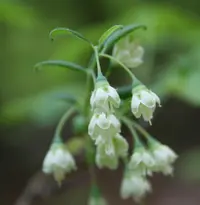
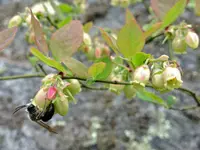
Southern blueberry (Vaccinium formosum) is a deciduous shrub known for its white, bell-shaped spring flowers and clusters of edible blue berries in summer. It typically grows with an upright, multi-stemmed habit and develops attractive red to orange foliage in autumn.

This species is native to the southeastern United States, where it occurs in moist forests, flatwoods, and along woodland edges. It is considered relatively manageable to grow if its preference for acidic, well-drained yet consistently moist soil is met.

Sun exposure tolerance and moderate growth rate make it suitable for both home gardens and small landscapes. Understanding how to care for southern blueberry starts with matching its natural habitat conditions as closely as possible.

Main Plant Requirements

Care Difficulty

Moderate Care

Light Preference

Full Sun

Water Requirements

Regular Water

Temperature Preference

Cold Hardy

Hardiness Zone

6–9

Soil Texture

Sandy, Loamy, Organic-rich

Soil pH

Strongly acidic (4.5–5.5)

Soil Drainage

Moist but well-drained

Fertilization

Minimal (feed rarely)

Get Personalized Care Plan

Scan your plant to receive care tips personalized for your specific plant

Available on iOS and Android

How to Care for the southern blueberry

This species fruits best with abundant sun but tolerates some shade in hot climates.

  • Provide 6–8 hours of direct sun daily, ideally with morning sun and light afternoon shade in regions with very hot summers.
  • Allow light dappled or open shade for up to 4 hours, especially in the South, to reduce leaf scorch and berry shriveling.
  • Avoid dense shade, which causes lanky growth and poor flowering; in winter, ensure plantings are not permanently shaded by buildings or evergreen trees.

This shrub prefers consistently moist, acidic, well‑drained soil rather than swings between soggy and bone‑dry.

  • Irrigate when the top 2–5 cm of soil feels dry, aiming to keep the root zone evenly damp but not saturated.
  • Use 5–8 cm of organic mulch to reduce evaporation and root stress; increase monitoring during hot, windy periods or sandy soils.
  • Watch for stress signs: wilting, dry leaf edges, and poor fruit set suggest underwatering; yellowing leaves and dieback on new shoots suggest waterlogging and poor drainage.

This species is adapted to warm, humid climates with mild winters and can tolerate notable cold once established.

  • Aim for 65–85°F (18–29°C) during active growth for strong shoots and reliable flowering.
  • Mature plants tolerate short dips to about 0°F (−18°C), but young shrubs benefit from protection below 20°F (−7°C).
  • During heat above 90°F (32°C), provide soil moisture and some afternoon shade to limit stress, and avoid planting in low frost pockets where late freezes can damage blossoms.

This shrub prefers moderate outdoor humidity but tolerates a fairly wide range when roots are well watered.

  • Aim for ambient humidity around 40–60% to limit leaf edge browning during hot, dry spells.
  • In extended dry air, watch for curling, crisp leaf margins and slower new growth as signs of humidity stress.
  • Increase local humidity by using mulch over the root zone and grouping southern blueberry near other shrubs rather than misting foliage.

Vaccinium formosum needs acidic, fast-draining yet evenly moist soil to fruit well and resist root problems.

  • Use a loose, sandy to sandy-loam mix high in organic matter to mimic its native pine-forest soils.
  • Target a pH of 4.5–5.5; blend peat or coco coir with composted bark and a small amount of sand for structure.
  • Ensure excellent drainage by planting on a slight mound or raised bed so water never pools around the crown.
  • Avoid heavy clay, unamended alkaline soils, or compacted areas that stay wet, which promote root rot and nutrient lockout.

This species can be grown successfully in containers outdoors when provided with a deep, stable pot and consistent moisture management.

  • Choose a container at least 35–45 cm deep to give the fibrous root system space to spread without circling tightly.
  • Select a heavy, frost-resistant pot material to keep the shrub stable against wind and the weight of ripening fruit.
  • Elevate the pot slightly on feet or bricks so drainage holes stay clear and excess water escapes quickly after rainfall or irrigation.

Vaccinium formosum benefits from light, targeted feeding in nutrient-poor or heavily harvested sites.

  • Apply a slow-release, acid-forming fertilizer or balanced NPK formulated for blueberries at the start of spring growth.
  • Supplement with a thin layer of compost around the root zone 1–2 times during the growing season, keeping it away from stems.
  • Use about half the label strength for container plants and water well after feeding to avoid salt buildup.
  • Stop feeding by late summer and avoid fertilizing during winter dormancy to prevent soft, frost-prone growth.

Vaccinium formosum responds well to thoughtful pruning that maintains structure and fruiting wood.

  • Prune in late winter to early spring before new growth, using clean, sharp bypass pruners or loppers.
  • Remove dead, diseased, crossing, or inward-growing branches to improve airflow and light penetration.
  • Thin out some of the oldest, thickest canes at the base to encourage vigorous new shoots and better fruiting.
  • Shorten excessively long or arching stems to maintain an open, balanced shrub shape without heavy heading cuts.

This southern blueberry is more often transplanted in the ground than grown long term in containers.

  • Transplant in late fall or very early spring when the plant is dormant to limit stress and water loss.
  • Look for circling roots, water running off quickly, or stunted growth in pots as signs that shifting to a larger site is needed.
  • Move plants every 3–5 years only if space, shade, or soil drainage has become unsuitable, keeping the root ball intact.
  • Replant at the same depth in acidic, well-drained soil, water thoroughly, and mulch 5–7 cm deep to stabilize moisture and temperature.

New Vaccinium formosum plants are usually produced from cuttings or simple layering rather than seed.

  • Take 8–12 cm semi-ripe stem cuttings in late spring to early summer, keeping a few leaves at the tip.
  • Insert cuttings into an acidic, well-drained mix under high humidity and bright, indirect light to support rooting.
  • Use simple layering in spring by pegging a flexible low stem into moist soil, then severing it once roots form.
  • Seeds can be sown in acidic medium with light exposure, but seedlings may be variable and slower to mature.

Vaccinium formosum is cold hardy in much of its range and usually needs only modest winter attention.

  • Tolerates typical light to moderate frosts once established, especially in the ground with good drainage.
  • Apply 5–8 cm of organic mulch over the root zone in late fall, keeping it slightly away from the stems.
  • For container plants, move pots into an unheated but sheltered spot to reduce root freeze-thaw cycles.
  • In very exposed sites, use a windbreak or burlap wrap around young shrubs to limit stem desiccation.

Care Tips

Mulch Management

Maintain a 5–8 cm layer of pine bark or pine needle mulch around the root zone, pulling it back 5–8 cm from the stems each spring to reduce disease risk and maintain even soil moisture.

Root Zone Protection

Install a 60–90 cm wide no-till zone around the plant and avoid stepping or placing heavy objects there to protect the shallow, fibrous roots from compaction damage.

Targeted Bird Exclusion

Set up lightweight bird netting over a simple frame before berries begin to turn blue, making sure the net is held off the fruit clusters so birds cannot reach through it.

Fruit Load Thinning

On young plants in their first 1–2 fruiting years, remove about half of the flower clusters by hand to direct energy into root and shoot development for stronger long-term yield when you grow Vaccinium formosum.

Post-Harvest Sanitation

After the harvest season, collect and dispose of fallen berries and pruned twigs away from the planting area to lower the carryover of fungal spores and insect pests into the next year.

Common Pests and Diseases

Blueberry maggot

This pest is a small fly whose larvae tunnel inside ripening berries, causing them to soften, collapse, and become unusable. Symptoms include prematurely dropping fruit with discolored, wormy interiors.

Solution

Use yellow sticky traps in late spring to monitor adults, and remove and destroy infested or dropped berries to break the life cycle. In home plantings, fine mesh or insect netting over bushes before fruit colors, combined with clean harvest and sanitation, usually provides effective control.

Cane borer

This pest is a beetle whose larvae tunnel inside young canes, leading to wilting tips, weak growth, and dieback above the feeding site. Symptoms include hollow stems and entry holes or swellings on canes.

Solution

Prune out and destroy infested canes several inches below visible damage as soon as wilted tips appear. Maintain plant vigor with proper pruning and balanced fertilization, and avoid mechanical injury to stems, which can attract egg-laying adults.

Mummy berry

This disease causes blossoms and young shoots to blight and berries to shrivel into hard, gray or tan mummified fruits. Symptoms include brown, wilted shoots in spring and later light-colored, dried berries that fall to the ground.

Solution

Rake up and remove all mummified berries from the ground in late winter and after harvest to reduce the source of spores, and apply a fresh mulch layer each spring to bury any remaining mummies. Prune to keep bushes open for better airflow, and in areas with a known history of this disease, follow local extension guidance on timing of bloom-period fungicide sprays for Vaccinium formosum care.

Botrytis blossom blight

This disease is caused by Botrytis cinerea, a fungus that infects flowers and young tissues during cool, wet spring weather. Symptoms include brown, water-soaked blossoms and young shoots that may show gray, fuzzy mold under humid conditions.

Solution

Improve air circulation by proper spacing and pruning, and avoid overhead watering during bloom to keep flowers as dry as possible. Remove and discard blighted blossoms and shoots, and in consistently wet regions follow regional recommendations for bloom-time fungicide applications when conditions favor infection.

Blueberry scorch virus

This disease is a viral infection that causes sudden flower and leaf blight on some cultivars, with plants producing very little fruit and showing marginal leaf reddening or yellowing. Symptoms include dead or blighted blossoms and reduced new growth over time.

Solution

Remove and destroy infected plants completely, including roots, because viruses cannot be cured and serve as a long-term infection source. Control aphids, which commonly spread this virus, by encouraging natural predators, using reflective mulches, and, if needed, applying targeted insecticidal soap or horticultural oil according to label directions.

Interesting Facts

Coastal plain specialist

This shrub is naturally restricted to the southeastern US Coastal Plain, especially in wet flatwoods and edges of pocosins, where it forms dense thickets along seasonally saturated soils.

Early-spring nectar source

It flowers in early spring with white, urn-shaped blossoms that supply nectar and pollen to native bees and early-emerging pollinators before many other shrubs are in bloom.

High wildlife value

Its berries are eaten by many songbirds, wild turkey, and small mammals, and the thickets provide shelter and nesting cover in pine-dominated landscapes.

Botan icon

Did you know?

Genetic and field studies indicate that Vaccinium formosum frequently hybridizes with closely related native blueberries, such as Vaccinium fuscatum, creating natural hybrid swarms that can make species identification challenging even for experienced botanists.

FAQs about southern blueberry

Yellowing leaves often indicate nutrient imbalance, especially iron deficiency in soil that is not acidic enough. Compacted or waterlogged soil, root damage, or high soil pH above 5.5 can also cause chlorosis and poor growth.

Grow Healthy Plants with Botan Care

Keep your plants happy and healthy with plant identification, disease detection, and easy care guidance.

Botan plant care app — identify plants on mobile

Explore More Plants