Shelterbelt Positioning
Plant shrubs in a slightly sheltered spot behind taller wind-tolerant species to reduce foliage wind scorch and improve fruit set on exposed sites.

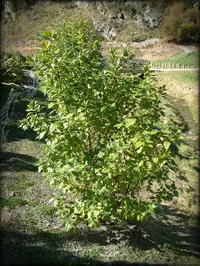
Wineberry, Aristotelia serrata, is an evergreen shrub or small tree grown mainly for its fine foliage and colorful young stems. It often forms a graceful, multi-stemmed shape with small, serrated leaves that can show bronze or red tones when young. In suitable conditions it may produce small, inconspicuous flowers followed by red berries that add seasonal interest.
This species is native to New Zealand, where it grows in forest and scrub habitats. It is generally considered moderately easy to grow if provided with mild temperatures, consistent moisture, and well-drained soil. Gardeners who learn how to care for wineberry usually value it as a decorative background or screening plant in temperate gardens.

Care Difficulty
Moderate Care

Light Preference
Partial Shade

Water Requirements
Moderate Water

Temperature Preference
Cool Climate

Hardiness Zone
8–10

Soil Texture
Loamy, Sandy, Organic-rich

Soil pH
Acidic (5.5–6.5), Slightly acidic (6.5–7.0)

Soil Drainage
Moist but well-drained

Fertilization
Minimal (feed rarely)
Scan your plant to receive care tips personalized for your specific plant
Available on iOS and Android
Aristotelia serrata prefers bright conditions with some protection from intense midday sun.
This shrub prefers evenly moist, well-drained soil rather than extremes of wet or dry.
This species grows best in mild, frost-free or light-frost climates with moderate summers.
This species tolerates a range of humidity and usually does not need special humidity management outdoors.
Aristotelia serrata prefers moist, well-structured soil that drains freely yet retains some consistent moisture.
This species can be grown in containers for a time, but long-term growth is easier in the ground.
Aristotelia serrata benefits from modest feeding in containers or poor soils, but established plants in fertile ground often need little extra nutrition.
Pruning helps Aristotelia serrata keep a stable framework and maintain good light and air movement through the canopy.
This species is usually grown in the ground, so transplanting young plants correctly matters more than container repotting.
Aristotelia serrata is commonly propagated from seed or semi-ripe cuttings under controlled conditions.
Mature plants are reasonably cold hardy in mild to cool climates and usually need minimal winter attention in the ground.

Plant Health Check
Not sure what's wrong with your plant? Check your plant's health inside the app.
Aristotelia serrata, commonly called wineberry or makomako, is naturally found only in New Zealand, where it is a common component of lowland and montane forests and forest margins across both main islands.
Individual wineberry plants are typically either male or female (dioecious), so only female plants produce the characteristic dark red to black berries when a male plant is nearby for pollination.
This species grows quickly in light gaps and disturbed sites, helping to re-vegetate forest edges and landslips, and its berries provide food for native birds that further spread its seeds.

The name of the genus Aristotelia honors the ancient Greek philosopher Aristotle, reflecting a historical tradition in botany of commemorating influential scholars in scientific plant names.
Growth is moderate. In good garden conditions, this plant typically adds 20–40 cm per year and may reach about 2–3 m tall over several years, forming a multi-stemmed, shrubby small tree.
Keep your plants happy and healthy with plant identification, disease detection, and easy care guidance.