Senegal date palm Care (Phoenix reclinata)

Also known as: dwarf date palm, wild date palm, Cape Date Palm, Reclining Date Palm, Senegal Wild Date Palm, Coffee Palm, False Datepalm, Feather Palm, Little Date
Senegal date palm

About Senegal date palm

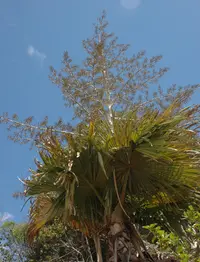
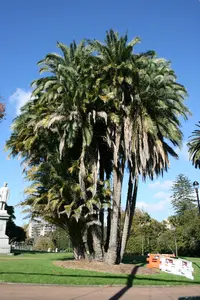
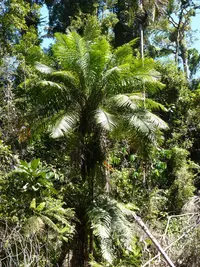
The Senegal date palm, Phoenix reclinata, is a clumping, multi-stemmed palm tree often used in landscapes for its arching fronds and sculptural form. It forms dense clusters of slender trunks that can eventually create a small grove-like effect.

This species is native to tropical Africa and parts of the Arabian Peninsula, where it grows in river valleys, savannas, and coastal areas. It prefers bright light, warmth, and well-drained soil, and it tolerates some drought once established.

Spines along the leaf bases and a vigorous suckering habit make maintenance more demanding, so planning how to care for Senegal date palm before planting is important.

Main Plant Requirements

Care Difficulty

Moderate Care

Light Preference

Full Sun

Water Requirements

Moderate Water

Temperature Preference

Warm Climate

Hardiness Zone

9–11

Soil Texture

Sandy, Loamy

Soil pH

Slightly acidic (6.5–7.0), Neutral (7.0)

Soil Drainage

Well-drained

Fertilization

Minimal (feed rarely)

Get Personalized Care Plan

Scan your plant to receive care tips personalized for your specific plant

Available on iOS and Android

How to Care for the Senegal date palm

This palm prefers abundant sun but tolerates some shade in hot regions.

  • Provide 6–8 hours of direct sun daily, with morning sun and light afternoon shade ideal in very hot climates.
  • Young Senegal date palm plants benefit from filtered light or 2–4 hours of gentler sun to prevent leaf scorch while establishing.
  • In deep shade, fronds become thin and sparse; in intense all-day sun, leaf tips may yellow or brown, so adjust exposure seasonally.

This species prefers steadily moist but not saturated soil, especially while establishing outdoors.

  • Allow the top 3–5 cm of soil to dry before deep watering, then soak the root zone thoroughly and let excess drain away.
  • In hot, dry weather, monitor fronds for early wilt or folding as a cue to water; in cool or rainy periods, extend the drying interval.
  • Phoenix reclinata dislikes standing water; soggy soil, foul smell, or blackened roots indicate overwatering, while crisp, browning frond tips signal drought stress.

This palm prefers warm, subtropical to tropical temperatures and is sensitive to hard frost.

  • Optimal growth occurs around 70–90°F (21–32°C), with steady warmth promoting faster trunk and frond development.
  • Mature plants may survive brief drops to about 20–25°F (-6 to -4°C) with damage, but foliage injury can begin below 28°F (-2°C).
  • In hot spells above 95°F (35°C), provide soil moisture and mulch to protect roots, and avoid sudden exposure after cool seasons to reduce heat stress.

Phoenix reclinata tolerates a wide humidity range and usually manages well in typical indoor air.

  • Aim for 30–50% humidity; the palm adapts well as long as air is not extremely dry for long periods.
  • Brown leaf tips, crispy leaflets, and slow new growth indicate humidity stress combined with underwatering or excess heat.
  • In very dry homes, caring for Senegal date palm can be supported by grouping plants, using a pebble tray, or running a room humidifier nearby.

Phoenix reclinata prefers sharply drained, sandy or loamy soil that does not stay wet around the roots.

  • Use a mix of 50–60% coarse sand or grit, 20–30% loam or regular potting mix, and 10–20% compost or well-rotted bark for structure and nutrients.
  • Ensure very fast drainage; the mix should feel loose and granular, never sticky, to prevent waterlogging and root rot.
  • Keep pH slightly acidic to neutral, around 6.0–7.5, which supports nutrient availability without causing micronutrient lockout.
  • Improve aeration by adding extra perlite or pumice if the mix compacts, and avoid heavy clay-based garden soil that holds water too long.

This palm can be grown in containers when the pot is chosen to support its eventual size and strong root system.

  • Select a deep, wide, heavy pot to support the tall, clumping stems and prevent tipping in wind or on balconies.
  • Choose thick-walled terracotta or concrete if extra moisture loss and weight are needed in hot, exposed sites.
  • Elevate the container slightly on pot feet so drainage holes clear quickly and do not sit blocked against the ground.

Phoenix reclinata responds well to moderate, balanced feeding during active growth.

  • Apply a balanced slow-release fertilizer (for example 10-10-10) in spring for outdoor or large container plants.
  • For additional nutrition, top-dress with well-rotted compost, keeping it away from direct contact with the trunk.
  • Feed every 6–8 weeks in the growing season; in winter, limit feeding to once or not at all.
  • Use fertilizers at 1/2 label strength for container-grown Senegal date palm to reduce salt buildup.

Pruning Phoenix reclinata focuses on safety, appearance, and removing unhealthy tissue rather than reshaping the canopy.

  • Carry out main pruning in late winter or early spring, before strong new growth begins.
  • Remove only dead, diseased, broken, or severely frayed fronds, cutting them close to the trunk without damaging tissue.
  • Thin crowded basal suckers selectively if a more tree-like form is desired, keeping chosen stems evenly spaced.
  • Use clean, sharp loppers or a pruning saw, disinfecting blades between plants to limit disease spread.

Transplanting Phoenix reclinata is done infrequently because established palms dislike root disturbance.

  • Look for roots circling the pot, pushing through drainage holes, or clear slowing of growth as signals to move up a size.
  • Plan container repotting or landscape transplanting for late spring to early summer, once soil has warmed.
  • Expect to repot containers every 3–5 years, stepping up only 1 pot size and using a free-draining, sandy mix.
  • Minimize root stress by keeping the root ball intact, watering thoroughly before and after, and shading from harsh sun for 1–2 weeks.

Phoenix reclinata is commonly propagated by seeds and division of basal offshoots but needs patience and warmth.

  • Collect ripe seeds, clean the pulp, and sow in a sandy, well-drained mix kept at 75–85°F with steady moisture.
  • Expect slow germination over several weeks to months, so maintain stable warmth and avoid letting the mix dry out.
  • In late spring, divide sturdy basal suckers with their own roots from a healthy clump-grown parent plant.
  • Trim damaged roots, plant divisions at original depth, and keep them shaded and evenly moist until well established.

Phoenix reclinata has moderate cold tolerance but benefits from protection in areas with freezing winters.

  • In-ground plants tolerate brief dips near 20°F but can suffer leaf damage below this range.
  • Apply a 5–10 cm mulch layer around the root zone, keeping it away from direct trunk contact.
  • In colder zones, wrap the central crown with breathable frost cloth during severe cold spells.
  • Move container palms indoors or into a bright, frost-free space when night temperatures approach freezing.

Care Tips

Multi-stem management

Select 3–7 of the strongest suckers to keep and remove weak, crowded shoots at the base annually so clumps stay stable, easier to access, and less prone to wind damage.

Safe trunk cleaning

Cut off only dead, fully brown fronds close to the trunk with clean, sharp loppers, leaving a small stub to avoid tearing living tissue and exposing the palm to infection.

Thorn-aware access

Establish a clear, mulched working zone around the clump and always approach from the least-armed side so the long spines do not hinder inspection, pruning, or pest control.

Fruit and seed control

Remove flower clusters or young fruit bunches if seedlings are not desired, which reduces nuisance seedling spread and also diverts more energy into vegetative growth.

Wind and load planning

In windy or high-traffic sites, thin excess stems on the windward side and keep overall clump height moderate so the plant remains structurally stable and safer when caring for Senegal date palm over many years.

Common Pests and Diseases

Date palm scale

This pest appears as small, flat, brown or gray bumps on leaf stalks and fronds, sucking sap and causing yellowing and decline. Heavy infestations can weaken clumps and slow new growth.

Solution

Prune and dispose of heavily infested fronds, then wipe or gently scrub remaining scale with a soft brush and soapy water. For persistent problems, use a horticultural oil or systemic insecticide labeled for palms, applying thoroughly to leaf bases where scale shelters and repeating as directed.

Red palm weevil

This pest is a concealed borer whose larvae tunnel inside the crown and trunk, causing wilting, crown collapse, or oozing brown sap from entry holes. Symptoms include distorted new fronds, a fermented odor, and sudden decline of individual stems in the clump.

Solution

Remove and destroy severely infested stems or entire plants to prevent spread, and monitor remaining clumps for early signs of wilting or crown damage. In regions where this insect is present, follow local extension guidance on trunk injections or drenches with approved systemic insecticides and avoid wounding the crown during pruning.

Lethal yellowing

This disease is a phytoplasma infection spread by planthoppers that causes premature fruit drop, yellowing fronds from the bottom up, and eventual spear leaf death. Over time the entire stem dies, and other stems in the clump may follow.

Solution

Remove and destroy infected stems as soon as spear leaf death is confirmed to reduce the source of infection. In areas where lethal yellowing is common, consult local extension services about preventive use of systemic antibiotics via trunk injection and reduce plant stress through proper watering and nutrition, following regional Phoenix reclinata care instructions.

Ganoderma butt rot

This disease is caused by a wood-decay fungus that attacks the lower trunk, leading to structural weakness and slow decline. Symptoms include thinning canopy, reduced new growth, and hard, shelf-like white to brown conks at the trunk base.

Solution

Once conks appear there is no curative treatment, so affected stems should be removed and destroyed before they become hazardous. Avoid wounding the trunk, do not bury the crown, and never replant palms in the same spot where an infected plant was removed, since the fungus persists in soil and old roots.

Fusarium wilt

This disease is a vascular fungus that causes one-sided yellowing and browning of fronds, often starting on a single side of the leaf and progressing up the crown. Infected stems show gradual canopy thinning and eventual death.

Solution

Prune and discard affected fronds with clean, disinfected tools, and avoid using the same saw on healthy palms without sterilizing to prevent spread. There is no reliable cure, so focus on sanitation, avoiding stress, and if a stem declines severely, remove it at the base and monitor the remaining clump for early symptoms.

Interesting Facts

Clumping multi‑stem habit

Unlike the single-trunk Canary Island and true date palms, this species naturally forms dense clumps of many slender stems that arise from suckers at the base, creating large thickets in the wild.

Floodplain specialist

In its native African range, this palm is strongly associated with riverbanks, seasonally flooded valleys, and high water tables, showing notable tolerance to periodic inundation compared with many other Phoenix species.

Wildlife food resource

Its small, orange-brown dates are produced in heavy clusters and are an important seasonal food source for birds, bats, and some mammals in African savanna and riverine ecosystems, even though the fruits are generally of minor importance for humans.

Botan icon

Did you know?

In parts of East and southern Africa, the fibrous leaves and midribs of Phoenix reclinata are traditionally harvested and processed into ropes, baskets, mats, and thatching, making this palm an important local source of durable plant fiber where few comparable materials are available.

FAQs about Senegal date palm

Brown tips usually result from low humidity, salt buildup, or chronic underwatering. Flush the soil occasionally, water deeply but less often, and protect fronds from hot, dry wind. Old fronds naturally brown and can be pruned once fully dry.

Grow Healthy Plants with Botan Care

Keep your plants happy and healthy with plant identification, disease detection, and easy care guidance.

Botan plant care app — identify plants on mobile

Explore More Plants