Slow acclimation outdoors
When moving the palm outside for summer, increase light and wind exposure over 7–10 days to prevent leaflet scorch and mechanical stress on the fronds.

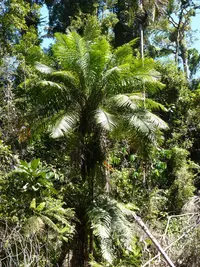
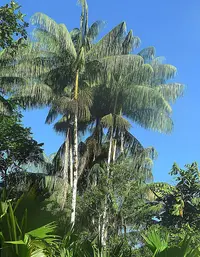
Dypsis fibrosa is a clustering palm species native to the highlands of Madagascar. It forms multiple slender canes with dense, fibrous leaf bases that give the plant its name. The fronds are feather-like and arching, creating a soft, elegant canopy. In suitable conditions outdoors it can eventually form a small to medium-sized palm clump. In cultivation, it prefers consistently warm conditions, filtered light, and evenly moist but well-drained soil. It is considered a collector’s palm, as it grows slowly and can be more demanding than common landscape palms. Understanding how to care for Dypsis fibrosa helps prevent stress from cold, drought, or poor drainage.

Care Difficulty
Moderate Care

Light Preference
Partial Sun

Water Requirements
Moderate Water

Temperature Preference
Tropical / Frost Sensitive

Hardiness Zone
10–11

Soil Texture
Sandy, Loamy, Organic-rich

Soil pH
Acidic (5.5–6.5), Slightly acidic (6.5–7.0)

Soil Drainage
Moist but well-drained

Fertilization
Minimal (feed rarely)
Scan your plant to receive care tips personalized for your specific plant
Available on iOS and Android
This palm prefers bright, filtered light that mimics a lightly shaded tropical understory.
This species prefers steadily moist but not waterlogged soil and responds best to observation-based watering.
This palm grows best in warm, frost-free conditions with only modest temperature swings.
This palm prefers moderately humid air but tolerates typical indoor levels if not extremely dry.
This species prefers a deep, loose, well-drained mix that holds some moisture but never stays waterlogged.
This palm can be grown in containers for many years if the pot is chosen and managed carefully.
This palm grows slowly and needs modest feeding when cultivated in containers or nutrient-poor soil.
Pruning Dypsis fibrosa focuses on hygiene and safety rather than shaping the palm heavily.
This palm is usually field-grown, so attention centers on careful transplanting rather than frequent repotting.
Propagation of Dypsis fibrosa is typically done from seed and is slow, requiring patience and stable warmth.
Dypsis fibrosa is not highly frost-hardy and benefits from targeted winter protection in cooler regions.

Plant Health Check
Not sure what's wrong with your plant? Check your plant's health inside the app.
This palm is naturally restricted to the islands of Réunion and Mauritius in the Indian Ocean, where it grows in humid to subhumid lowland and montane forest, often on volcanic slopes.
Mature plants develop a conspicuously swollen trunk base with a dense, fibrous, reddish-brown covering formed by old leaf bases, which helps protect the stem and may reduce water loss and physical damage.
Instead of forming a single tall stem, this species typically produces multiple slender stems from a common base, creating a clump that offers shelter and structure for understory fauna in its native forests.
Dypsis fibrosa is considered globally vulnerable and is threatened in the wild by habitat loss and degradation on Réunion and Mauritius, so wild populations are of conservation concern despite the species being occasionally cultivated.
Growth is generally slow to moderate. In suitable warm climates, it may add roughly 15–30 cm of trunk per year once established. Young plants often spend several years building root and crown mass before noticeably elongating.
Keep your plants happy and healthy with plant identification, disease detection, and easy care guidance.