Broom Cluster Fig Care (Ficus sur)

Also known as: Cape Fig, Bush Fig, Cape Wild Fig, Fire Sticks, Kooman, Kooman Fig
Broom Cluster Fig

About Broom Cluster Fig

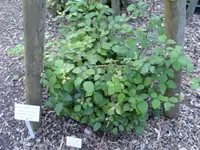
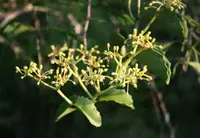
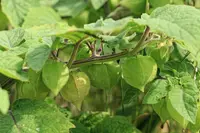
Broom cluster fig, Ficus sur, is a fast-growing fig tree or large shrub from tropical Africa and parts of the Middle East. It is usually grown outdoors in warm climates rather than as a houseplant. The plant forms a broad crown with spreading branches and bears clusters of small figs directly on the trunk and thicker branches. Its dense foliage and fruiting habit make it important for wildlife and shade. For cultivation, it prefers warm temperatures, bright light, and well-drained soil with regular moisture. Gardeners who want to care for Broom Cluster Fig should consider its eventual large size and strong root system when choosing a planting site.

Main Plant Requirements

Care Difficulty

Moderate Care

Light Preference

Full Sun

Water Requirements

Moderate Water

Temperature Preference

Tropical / Frost Sensitive

Hardiness Zone

10–12

Soil Texture

Sandy, Loamy, Organic-rich

Soil pH

Acidic (5.5–6.5), Slightly acidic (6.5–7.0)

Soil Drainage

Moist but well-drained

Fertilization

Minimal (feed rarely)

Get Personalized Care Plan

Scan your plant to receive care tips personalized for your specific plant

Available on iOS and Android

How to Care for the Broom Cluster Fig

Ficus sur prefers bright, warm conditions similar to open woodland edges in its native range.

  • Provide 6–8 hours of bright light daily, ideally with morning sun and light afternoon shade to prevent leaf scorch.
  • Young trees handle partial shade, but established plants fruit best in full sun with some protection from intense midsummer afternoon sun in hot climates.
  • In cooler seasons, ensure it is not shaded by buildings or taller trees, as prolonged low light causes sparse growth and fewer figs on Broom Cluster Fig.

Ficus sur prefers evenly moist but not waterlogged soil once established.

  • Before watering, let the top 3–5 cm of soil dry; check by pushing a finger or probe into the soil rather than following a fixed schedule.
  • Use deep, infrequent soaking that moistens the root zone, and ensure soil drains freely to avoid standing water and root rot.
  • In hot, dry periods, watch for dull, slightly drooping leaves as a sign to water, and reduce frequency in cool or rainy seasons to prevent yellowing, mushy roots.

This fig thrives in warm, frost-free climates with moderate seasonal variation.

  • Optimal growth occurs at 70–90°F (21–32°C), where foliage and root activity remain strong through the growing season.
  • It tolerates short drops to about 40°F (4°C), but repeated exposure below this, especially with wind, can cause leaf drop and dieback.
  • Frost is damaging, so protect young trees from freezing temperatures, and in hot spells above 100°F (38°C), provide mulch and some afternoon shade to limit heat stress.

This species handles a fairly wide humidity range but benefits from slightly humid air, especially when young in containers.

  • Aim for 40–60% humidity; Broom Cluster Fig tolerates brief dips lower but prolonged very dry air can stress foliage.
  • Low humidity stress shows as leaf-edge browning, dull leaves, and faster leaf drop on newer growth.
  • Increase humidity locally with grouped plants, a nearby open tray of water and stones, or occasional fine misting in drier rooms.

Ficus sur prefers moderately fertile, well-aerated, fast-draining soil to support deep, spreading roots.

  • Use a loose loamy mix with 40–60% organic matter such as compost plus mineral components like sand or perlite for structure.
  • Aim for slightly acidic to neutral pH around 6.0–7.0, which supports nutrient availability without causing micronutrient lockout.
  • Blend coarse sand, bark chips, and perlite into heavy or clayey soil to improve drainage and root-zone aeration.
  • Avoid compacted, waterlogged, or extremely alkaline soil, which encourages root rot and weak, chlorotic foliage.

This species can be grown in containers when young or maintained small with pruning, provided the pot is chosen carefully for root space and stability.

  • Select a deep, wide container that allows a strong taproot and lateral roots to develop without circling tightly too soon.
  • Choose a heavy, stable pot material such as thick terracotta or concrete to counterbalance the tree’s eventual top-heavy canopy.
  • Ensure generous drainage holes and keep any cachepot or saucer free of standing water to prevent chronic saturation of the lower root zone.

Ficus sur benefits from light feeding but can survive in moderately fertile soil without heavy inputs.

  • Use a balanced NPK fertilizer or well-rotted compost for Broom Cluster Fig in active growth.
  • Feed every 4–6 weeks in spring and summer, then stop or cut back sharply in fall and winter.
  • Dilute liquid fertilizer to 1/2 strength to avoid salt buildup and leaf burn, especially in containers.
  • Apply fertilizer on moist soil and avoid direct contact with the trunk and main roots.

Pruning Ficus sur helps control size, maintain structure, and remove unhealthy wood.

  • Carry out main pruning in late winter or early spring before vigorous growth starts.
  • Remove dead, diseased, crossing, or inward-growing branches to open the canopy.
  • Shorten overly long shoots to shape the crown and direct future growth.
  • Use clean, sharp bypass pruners or a pruning saw, making smooth cuts just outside branch collars.

Ficus sur is usually grown in the ground, so transplanting is more common than container repotting.

  • Transplant in late winter or early spring when the plant is still relatively dormant.
  • Look for signs such as roots circling the planting hole, declining vigor, or poor growth after establishment.
  • Move young plants every 2–3 years if needed, but avoid disturbing large, established trees.
  • Water deeply before and after transplanting, keep the root ball intact, and shade the canopy temporarily to limit stress.

Ficus sur is commonly propagated from seeds and semi-hardwood cuttings under warm conditions.

  • Sow fresh seeds in late spring in a sterile, well-drained mix at 70–80°F with bright, indirect light.
  • Take semi-hardwood cuttings in late spring or early summer with 10–15 cm sections including several nodes.
  • Use a rooting hormone, keep the medium evenly moist, and maintain high humidity with vented covers.
  • Air layering on thicker branches in warm seasons also produces sturdy, transplantable plants.

Ficus sur is a warm-climate species with low frost tolerance and needs winter protection in cooler regions.

  • In-ground plants in marginal climates benefit from 5–10 cm of mulch over the root zone, kept away from the trunk.
  • Wrap young trunks with breathable fabric or horticultural fleece during light frosts.
  • Move container-grown plants indoors or into a frost-free greenhouse before temperatures drop near 35°F.

Care Tips

Root sucker control

Inspect the root zone several times a year and promptly cut off suckers emerging from surface roots so the plant channels energy into the main trunk and does not spread aggressively where space is limited.


Structured crown training

While branches are still young and flexible, select 3–5 well-spaced main limbs and lightly stake or tie them to encourage a broad, balanced canopy that can support future fruit without splitting.

Wind and load support

In exposed sites, install a sturdy stake or guy-lines for the first 2–3 years and gradually reduce support so the trunk strengthens while still being protected from wind-rock that can damage new roots.

Root zone mulching

Maintain a 5–8 cm layer of coarse organic mulch in a wide circle under the canopy, keeping it a few cm away from the trunk, to stabilize soil moisture and reduce temperature stress during hot, dry periods when growing Broom Cluster Fig.

Fruit drop hygiene

Rake up and discard dropped figs regularly during fruiting season to limit fruit fly breeding and fungal disease that can spread from rotting fruit back to the tree.

Common Pests and Diseases

Fig leaf beetles

This pest chews irregular holes in leaves and can skeletonize foliage on young or hedged trees. Symptoms include ragged leaves, reduced canopy density, and visible beetles or larvae on the foliage.

Solution

Hand-pick beetles and larvae from reachable branches and prune heavily infested twigs. For larger trees, encourage birds and other natural predators, and if needed use a targeted foliar spray containing spinosad or pyrethrins applied in the evening to minimize impact on pollinators.

Scale insects

These insects attach along stems and leaf undersides, sucking sap and excreting sticky honeydew that encourages sooty mold. Symptoms include yellowing leaves, stunted growth, and rough or bump-like clusters on bark and twigs.

Solution

Wipe reachable branches with a cloth or cotton swab dipped in diluted alcohol or insecticidal soap, repeating weekly until new growth is clean. On larger or outdoor trees, prune and destroy heavily infested twigs and use horticultural oil spray to smother remaining scale during mild, dry weather.

Mealybugs

This pest hides in leaf axils, young shoots, and at the base of figs, producing white cottony masses. Symptoms include sticky honeydew, distorted new growth, and sooty mold on leaves and nearby surfaces.

Solution

Inspect branch crotches and young shoots regularly and remove visible clusters with a cotton swab dipped in alcohol or with a strong water spray. For persistent infestations, apply insecticidal soap or horticultural oil to all plant surfaces, repeating every 7–10 days until no new mealybugs appear.

Fig mosaic virus

This disease causes mottled, yellow, or ringed patterns on leaves and can reduce vigor and fig production over time. Symptoms include distorted leaves, patchy discoloration, and overall decline, especially on stressed trees.

Solution

Remove and destroy the most affected leaves and avoid taking cuttings from symptomatic plants. Control sap-sucking insects such as mites and thrips that spread the virus, and maintain good cultural conditions (adequate water, balanced nutrition, and reduced stress) since there is no curative treatment.

Sooty mold

This disease develops as a black, powdery coating on leaves and stems that grow in areas with heavy honeydew from sap-feeding insects. Symptoms include a dull, blackened leaf surface and reduced photosynthesis, often following scale, mealybug, or aphid infestations.

Solution

Address the underlying honeydew-producing insects first, then gently wash affected leaves with lukewarm water and a mild soap solution to remove the fungus. Improve airflow and light penetration through selective pruning so leaves dry quickly after rain or irrigation, which helps prevent heavy mold buildup and supports better Ficus sur plant care overall.

Interesting Facts

Obligate fig–wasp partner

Ficus sur figs are pollinated almost exclusively by a tiny host‑specific wasp, which enters the enclosed fig structure (syconium) to lay eggs and transfer pollen, making the tree dependent on this insect for sexual reproduction.

Staggered fruiting strategy

Individual Ficus sur trees often carry figs at different stages of ripeness at the same time, providing a near‑continuous food source for birds, bats, and primates in African woodlands and savannas.

Riparian habitat specialist

This species commonly colonizes riverbanks and seasonally flooded areas across sub‑Saharan Africa, where its spreading root system helps stabilize soil and reduce erosion along watercourses.

Botan icon

Did you know?

In some African landscapes, large, repeatedly fruiting Ficus sur trees function as keystone resources, meaning their figs are so important to many vertebrate species during seasonal food shortages that local wildlife diversity can decline noticeably where these trees are absent.

FAQs about Broom Cluster Fig

Growth is typically moderate. In warm, moist conditions with deep soil it can extend several tens of cm per year when young, then slow as the framework develops. Limited root space, drought, or cool temperatures noticeably reduce extension growth.

Grow Healthy Plants with Botan Care

Keep your plants happy and healthy with plant identification, disease detection, and easy care guidance.

Botan plant care app — identify plants on mobile

Explore More Plants