strawberry tomato Care (Physalis pruinosa)

Also known as: husk tomato
strawberry tomato

About strawberry tomato

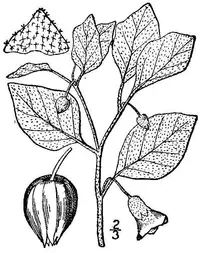
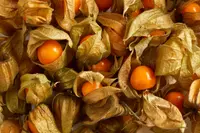
Strawberry tomato (Physalis pruinosa) is a small, compact annual in the nightshade family grown for its sweet, berry-like fruits enclosed in papery husks. Plants usually stay low and bushy, making them suitable for garden beds and larger containers.

This species is native to Central and South America but is now grown in many temperate gardens as a specialty fruit crop. It tends to be forgiving if given sun, moderate moisture, and well-drained soil, so many home gardeners find it relatively easy to care for strawberry tomato.

Fruits drop when ripe and store well in their husks, which adds to its practicality for home harvests.

Main Plant Requirements

Care Difficulty

Moderate Care

Light Preference

Full Sun

Water Requirements

Moderate Water

Temperature Preference

Tropical / Frost Sensitive

Hardiness Zone

4–8

Soil Texture

Sandy, Loamy, Organic-rich

Soil pH

Acidic (5.5–6.5), Slightly acidic (6.5–7.0)

Soil Drainage

Well-drained

Fertilization

Light (every 4–6 weeks)

Get Personalized Care Plan

Scan your plant to receive care tips personalized for your specific plant

Available on iOS and Android

How to Care for the strawberry tomato

Physalis pruinosa needs strong light to flower well and set fruit outdoors.

  • Provide 6–8 hours of direct sun daily; morning sun with light afternoon shade is ideal in hot summers.
  • Tolerates light partial shade (4–5 hours sun), but fruiting and husk development in strawberry tomato decrease as shade increases.
  • In very bright, hot climates, protect from intense midafternoon sun to prevent leaf scorch and dry, papery husks.

This plant prefers evenly moist but not saturated soil for reliable flowering and fruit set.

  • Water when the top 3–5 cm of soil feels dry, applying a deep soak rather than frequent light splashes to encourage deeper roots.
  • Use well-drained soil; yellowing, soft stems or a sour smell indicate overwatering, while dull, drooping leaves that perk up after watering indicate mild underwatering.
  • In spring and fall, watering needs are lower; during hot, dry spells, check soil moisture more often, especially in sandy ground or raised beds.

This warm-season plant thrives in stable, frost-free conditions.

  • Optimal growth occurs at 70–85°F (21–29°C); flowering and fruit set are most reliable within this range.
  • Plants stop growing and can be damaged below 50°F (10°C), and any frost can kill foliage and young stems, so plant out only after the last frost date.
  • Tolerates short heat waves up to about 95°F (35°C) if soil moisture is maintained; mulch helps buffer root temperature during hot, dry periods.

Humidity is not a major factor for this species, which adapts well to typical indoor and outdoor levels when caring for strawberry tomato.

This plant prefers loose, well-aerated, fast-draining soil to support strong root growth and fruiting.

  • Use a loamy or sandy loam mix enriched with compost to provide structure and moderate moisture retention.
  • Aim for slightly acidic to neutral pH around 6.0–7.0 for optimal nutrient availability for Physalis pruinosa.
  • Blend in perlite or coarse sand (15–30%) to improve drainage and oxygen around the roots, especially in containers.
  • Avoid heavy clay, compacted, or waterlogged substrates that stay wet for long periods, as these promote root rot.

This species is well suited to container growing outdoors in warm seasons.

  • Choose a container at least 25–30 cm deep and wide so the spreading root system and canopy stay balanced and productive.
  • Use a sturdy, heavier pot material if growing in windy, exposed spots to reduce tipping as fruits develop.
  • Select a potting mix that drains faster than in-ground soil, since containers dry unevenly and can hold perched water near the base.

Physalis pruinosa benefits from light, consistent feeding to support flowering and fruiting without promoting weak, lush growth.

  • Use a balanced liquid fertilizer (such as 10-10-10) at 1/2 strength every 2–3 weeks during the main growing season.
  • Alternatively, apply a thin layer of compost or a low-rate, slow-release granular fertilizer at planting and midseason when growing strawberry tomato.
  • Avoid high-nitrogen products that drive leafy growth at the expense of fruit set and husk development.
  • Stop feeding in late summer to early fall so plants harden off and do not push tender, cold-sensitive growth.

Physalis pruinosa benefits from light, targeted pruning to maintain airflow, plant health, and manageable size.

  • Prune in late spring or early summer once plants are established and active growth is clear.
  • Remove dead, diseased, or storm-damaged stems first, cutting back to healthy tissue with clean, sharp pruners.
  • Thin out weak, crossing, or heavily crowded interior shoots to improve airflow and reduce fungal problems.
  • Lightly tip back overly long, sprawling stems to shape the plant and keep fruits easier to access for harvest.

This species is usually grown as an annual in beds or large containers, so transplant timing and minimal root disturbance are important.

  • Transplant seedlings outdoors after frost danger passes, once night temperatures stay above about 50°F and plants have several true leaves.
  • If container-grown, move to a larger pot when roots circle the drainage holes or growth slows despite good care.
  • Handle the root ball gently, loosening only the outer roots and planting at the same depth in a free-draining, fertile mix or garden soil.
  • Water thoroughly after transplanting, then keep soil evenly moist and shaded from harsh midday sun for a few days to reduce transplant shock.

New Physalis pruinosa plants are most commonly raised from seed, which germinates reliably with warmth and moisture.

  • Sow seeds indoors 6–8 weeks before the last frost, using a sterile seed-starting mix in small trays or cells.
  • Maintain 70–80°F and bright indirect light; keep the mix evenly moist but not waterlogged for steady germination.
  • Transplant seedlings to individual pots once they have 2–3 true leaves, handling stems gently to avoid damage.
  • Outdoor direct sowing after frost is also possible, but indoor starts give a longer season and earlier fruiting.

In most climates this plant is treated as a frost-tender annual, so long-term winter care outdoors is usually unnecessary.

  • Light frosts damage foliage and can kill plants, so harvest remaining fruit before sustained freezing conditions.
  • In mild regions, a light mulch layer around the root zone may help short-term survival of late-season plants.
  • Container plants in cool-summer areas can be moved under cover or indoors to extend harvest slightly, given bright light.

Care Tips

Use low cages

Install low tomato cages or short stakes early in the season so stems stay off wet soil, fruits develop cleaner husks, and harvests are easier to reach without breaking brittle branches.

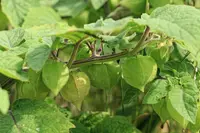
Mulch for clean fruit

Apply a 3–5 cm layer of clean straw or shredded bark under plants to reduce soil splash, keep fallen husked fruits clean, and make it easier to spot ripe ground cherries for harvest.

Staggered sowing

Start a second small batch of seedlings 3–4 weeks after the first to extend the fruiting window and maintain more consistent production over the summer when growing strawberry tomato.

Husk ripeness check

Check ripeness by looking for papery husks that turn tan and dry, then collect fruits that drop naturally to the ground daily to avoid overripe, split, or pest-damaged berries.

Row cover management

Use lightweight row cover over hoops in early season to speed growth and limit insect damage, then remove or vent it once flowering begins to ensure reliable insect pollination and good fruit set.

Common Pests and Diseases

Flea beetles

These insects chew many small, round holes in leaves, giving them a shot‑holed or lace‑like appearance and can stunt young plants. This pest is especially damaging to seedlings and small transplants.

Solution

Use floating row covers to protect seedlings, keep surrounding areas weeded, and avoid planting into very weedy or previously infested beds. For active infestations, use targeted treatments such as spinosad or pyrethrin in the evening, and rotate planting spots each year to reduce overwintering populations.

Three-lined potato beetle

This pest feeds on foliage and sometimes on husks, leaving defoliated stems and skeletonized leaves; larvae are often covered in their own droppings. Damage can reduce plant vigor and fruit yield.

Solution

Hand-pick adults and larvae into soapy water as soon as they appear and inspect plants daily in early summer. Remove nearby nightshade weeds that act as hosts, and if pressure is high, use spot applications of neem oil or spinosad to young larvae while protecting pollinators by treating at dusk.

Tobacco mosaic virus

This disease causes mottled, distorted leaves with light and dark green patches, sometimes with stunted growth and reduced fruit set. Symptoms include plants that never fully recover and continue to show mosaic patterns over time.

Solution

Remove and destroy symptomatic plants promptly and avoid smoking or handling tobacco near plants, since the virus spreads easily on hands and tools. Disinfect tools with a 10% bleach solution between plants and use only clean seed from reputable sources to reduce infection risk.

Early blight

This disease produces brown leaf spots with concentric rings, often starting on lower leaves, which may yellow and drop prematurely. In humid or wet conditions, symptoms can spread quickly upward along the stems.

Solution

Remove and discard infected leaves, keep foliage as dry as possible by watering at soil level, and maintain good spacing for airflow. Apply a copper-based or biofungicide preventively when wet weather is forecast, and rotate out of nightshade crops in the same bed for at least 2–3 years.

Botrytis fruit rot

This disease causes soft, watery spots on fruits and husks that become covered with gray, fuzzy mold, especially in cool, damp weather or where plants are dense. Symptoms include premature husk decay and fruit collapse on the plant or after harvest.

Solution

Improve airflow by pruning crowded stems and avoiding overhead watering, and promptly remove affected fruits and plant debris from the area. Harvest ripe fruits regularly, dry them quickly after rain, and in humid climates consider using mulch under plants so fallen husked fruits stay clean and dry, which supports more reliable Physalis pruinosa plant care.

Interesting Facts

Self-pollinating flowers

Ground cherry flowers of this species are self-fertile, so a single plant can set fruit on its own, although insect visits can increase yield and seed set.

Flavor-changing ripeness cue

The berries develop their characteristic sweet, pineapple-like flavor only after the husk dries and turns papery and straw-colored, which signals full sugar and aroma development.

Short-lived perennial tendency

In frost-free or very mild climates, this species can behave as a short-lived perennial, resprouting and fruiting for more than 1 season instead of acting strictly as an annual.

Botan icon

Did you know?

This species is one of the few edible nightshades whose ripe fruits can be eaten raw straight from the plant, and its distinctive papery husk has promoted interest in small-scale specialty production and research on Physalis pruinosa plant care for home gardens and urban farms.

FAQs about strawberry tomato

Yellowing leaves usually result from overwatering, poor drainage, nutrient deficiency (especially nitrogen or magnesium), or normal aging of lower foliage. Check soil moisture, improve drainage, and use a balanced fertilizer. Inspect roots and discard waterlogged or compacted soil.

Grow Healthy Plants with Botan Care

Keep your plants happy and healthy with plant identification, disease detection, and easy care guidance.

Botan plant care app — identify plants on mobile

Explore More Plants