dwarf groundcherry Care (Physalis pumila)

dwarf groundcherry

About dwarf groundcherry

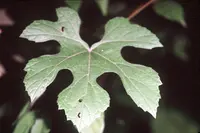
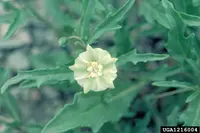
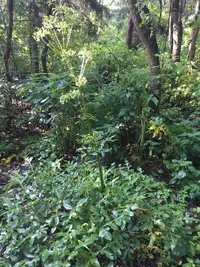
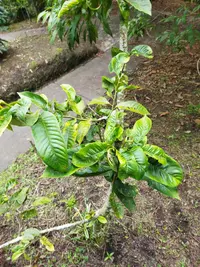
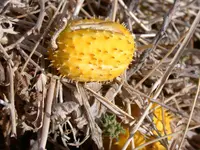
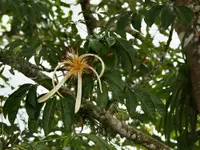
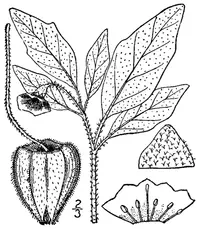
Dwarf groundcherry, Physalis pumila, is a small perennial herb in the nightshade family that forms low, spreading clumps. It produces soft green leaves and small yellow flowers that develop into papery, lantern-like husks around the fruit.

This species is native to parts of North America, often found in sandy or rocky prairies and open habitats. It tends to be fairly resilient once established, which makes it moderately easy to grow in gardens with similar dry, well-drained conditions.

Light, well-drained soil and full sun to light shade support healthy growth and make it easier to care for dwarf groundcherry.

Main Plant Requirements

Care Difficulty

Easy Care

Light Preference

Full Sun

Water Requirements

Moderate Water

Temperature Preference

Cold Hardy

Hardiness Zone

4–8

Soil Texture

Sandy, Loamy, Silty

Soil pH

Acidic (5.5–6.5), Slightly acidic (6.5–7.0)

Soil Drainage

Well-drained

Fertilization

Minimal (feed rarely)

Get Personalized Care Plan

Scan your plant to receive care tips personalized for your specific plant

Available on iOS and Android

How to Care for the dwarf groundcherry

This sun-loving species fruits best with strong, consistent light outdoors.

  • Provide 6–8 hours of direct sun daily, ideally with gentle morning sun and some light afternoon shade in hotter regions.
  • Tolerates light partial shade (3–4 hours direct sun), but flowering and fruiting of dwarf groundcherry decrease as shade increases.
  • Watch for stress: pale, leggy stems indicate insufficient light, while scorched, crispy leaf edges suggest too much intense afternoon sun; use light shade cloth if needed.

This plant prefers evenly moist, well-drained soil rather than constant wetness.

  • Water when the top 3–5 cm of soil feels dry, soaking the root zone thoroughly and allowing excess to drain away.
  • During hot, dry periods increase checks to once per day; in cooler or rainy seasons, extend intervals and rely more on soil feel than a fixed schedule.
  • Yellowing, soft foliage and a sour soil smell suggest overwatering, while drooping, thin leaves and dry, hard soil indicate underwatering; adjust frequency accordingly for Physalis pumila.

This warm-season species grows best in stable, frost-free conditions.

  • Aim for 70–85°F (21–29°C) for strong growth and flowering; plants slow noticeably below 65°F (18°C).
  • Protect from cold: growth is stunted below 55°F (13°C) and light frost at 32°F (0°C) can kill foliage, so plant outdoors only after all frost risk passes.
  • In heat above 90–95°F (32–35°C), provide afternoon shade and consistent soil moisture to reduce heat stress and flower drop.

Humidity is rarely a limiting factor for Physalis pumila in typical home or outdoor conditions.

Physalis pumila prefers loose, well-drained, moderately fertile soil that does not stay wet after watering or rain.

  • Use a sandy or sandy-loam mix with 30–40% compost to provide structure, organic matter, and moderate nutrient levels.
  • Ensure rapid drainage by blending coarse sand or fine grit; avoid dense mixes that form clods when squeezed.
  • Aim for slightly acidic to neutral pH around 6.0–7.0, adjusting with garden lime (to raise) or elemental sulfur (to lower).
  • Improve aeration in containers by adding perlite at 20–30% of the volume, and avoid mixes dominated by fine peat that stay soggy.

This species adapts well to container growing when given enough root space and stable drainage.

  • Choose a pot at least 25–30 cm deep to accommodate the taproot and reduce stress during flowering and fruit set.
  • Use a heavier material like terracotta or ceramic to keep the container stable against wind as the plant branches and fruits.
  • Elevate the pot slightly on feet or bricks so drainage holes remain clear and runoff moves away quickly after heavy watering or rain.

Physalis pumila grows in fairly lean soils but benefits from light feeding in containers or poor ground.

  • Use a balanced, water-soluble fertilizer (for example 10-10-10) at 1/4–1/2 strength for caring for dwarf groundcherry in pots.
  • Apply every 4–6 weeks during the active growing season, after watering, to avoid root burn.
  • In garden beds, mix in a thin layer of compost in spring instead of frequent liquid feeding.
  • Stop or greatly reduce fertilization in fall and winter, especially for indoor or overwintered plants.

Physalis pumila needs only light pruning to stay healthy and productive.

  • In late winter or very early spring, remove dead, damaged, or diseased stems with clean, sharp pruners.
  • Thin crowded interior shoots to improve airflow and reduce foliar disease risk.
  • Pinch soft growing tips lightly during early summer to encourage a fuller, branching habit and more flowering sites.
  • After heavy flowering and fruiting, trim back weak or spindly stems to maintain shape and redirect energy to strong growth.

This species is usually grown in the ground, but young plants and container-grown specimens respond well to careful transplanting.

  • Transplant in spring after frost, when plants show steady new growth and soil is workable.
  • Move plants if roots circle the pot, growth slows noticeably, or watering frequency becomes very high.
  • Shift into a container only 2–5 cm wider, using well-drained soil and handling the root ball gently to limit shock.
  • Water thoroughly after transplanting, shade for 2–3 days if sun is intense, and keep soil evenly moist until new growth resumes.

Physalis pumila is most often propagated by seed, which allows quick establishment of new plants.

  • Collect ripe fruits, separate and rinse seeds, then dry briefly before sowing.
  • Sow seeds in late winter to early spring, barely covering them, in a well-drained seed-starting mix.
  • Maintain 70–75°F, bright light, and consistent but not soggy moisture; germination usually occurs within 1–3 weeks.
  • Harden off seedlings gradually outdoors before planting out after the last expected frost.

This species is cold hardy in much of its native range and usually needs minimal winter attention in the ground.

  • Established outdoor plants tolerate normal winter frosts once dormant.
  • In colder areas or exposed sites, apply a 5–8 cm layer of mulch around the root zone after soil cools.
  • For container plants, move pots into an unheated garage, cold frame, or sheltered porch to prevent repeated freeze–thaw cycles.

Care Tips

Low staking method

Use short, wide-set stakes or a low tomato cage to gently support the branches so that maturing fruits stay off wet soil and are easier to see and harvest.

Mulch for clean fruit

Apply a 3–5 cm layer of clean straw or shredded bark under the plants to reduce soil splash, keep the husked fruits cleaner, and lower the risk of rot after they drop.

Timed succession sowing

Start a small batch of seeds every 2–3 weeks in late spring to early summer so the plants reach peak production at slightly different times, extending the harvest window.

Selective fruit thinning

On very heavily loaded stems, remove a few of the smallest developing fruits so the plant can size up the remaining berries more evenly and reduce branch breakage.

Dry-drop harvesting

Let fruits drop naturally, then collect them the same day and spread them in a single layer in a dry, shaded, ventilated spot for 2–3 days to finish ripening and concentrate flavor, which is a useful step when growing dwarf groundcherry in humid regions.

Common Pests and Diseases

Colorado potato beetle

This pest feeds heavily on leaves and can rapidly defoliate plants, especially in sandy or disturbed sites where dwarf groundcherry often grows.

Solution

Hand-pick adults and larvae into soapy water, inspect plants daily during peak season, and remove nearby volunteer solanaceous plants; in heavier infestations, use targeted products containing Bacillus thuringiensis var. tenebrionis or spinosad, applied in the evening to reduce impact on pollinators.

flea beetles

These insects create many small shot holes in leaves, which can stunt young plants and slow early growth.

Solution

Use floating row covers to protect seedlings until they are established, reduce nearby weed hosts in the Solanaceae family, and apply a fine layer of kaolin clay or diatomaceous earth to foliage and soil surface if feeding is persistent.

tobacco hornworm

This pest chews large sections of foliage and may also damage fruit husks, often going unnoticed until significant feeding has occurred.

Solution

Inspect plants regularly and remove caterpillars by hand, encouraging natural predators like parasitic wasps by avoiding broad-spectrum insecticides; for repeated problems, apply a biological control such as Bacillus thuringiensis kurstaki to young larvae on the foliage.

early blight

This disease causes brown leaf spots with concentric rings and yellowing that moves upward from lower leaves, reducing vigor and fruit yield.

Solution

Remove and discard infected leaves, avoid overhead watering, provide good spacing for airflow, and rotate away from other solanaceous crops for at least 2–3 years; in humid climates, preventive use of copper-based fungicides according to label directions can help limit spread as part of broader Physalis pumila plant care.

powdery mildew

Symptoms include white, powdery fungal growth on upper leaf surfaces, which can lead to leaf yellowing and reduced photosynthesis.

Solution

Improve air circulation by avoiding overcrowding, water at soil level rather than on foliage, and prune the most affected leaves; if needed, use sulfur or potassium bicarbonate-based fungicides, applied under mild temperatures to avoid leaf burn.

Interesting Facts

Sand prairie specialist

Physalis pumila is strongly associated with sandy and well-drained prairie or savanna soils in central North America, often appearing where other taller perennials are sparse, which reduces shade competition.

Expandable lantern calyx

After flowering, the sepals of this species enlarge to form a papery, lantern-like husk that fully encloses the developing fruit, providing physical protection from some insect herbivores and desiccation.

Self-compatible reproduction

The plant is self-compatible, meaning a single individual can set viable seed from its own pollen, yet it still benefits from insect pollinators such as small bees that increase fruit and seed production.

FAQs about dwarf groundcherry

Yellowing leaves often result from overwatering, nutrient deficiency (especially nitrogen or magnesium), or natural aging of older foliage. Check drainage, avoid waterlogged soil, and use a balanced fertilizer to correct problems before they progress.

Grow Healthy Plants with Botan Care

Keep your plants happy and healthy with plant identification, disease detection, and easy care guidance.

Botan plant care app — identify plants on mobile

Explore More Plants