mild water-pepper Care (Persicaria hydropiperoides)

Also known as: swamp smartweed, false waterpepper, northeastern smartweed
mild water-pepper

About mild water-pepper

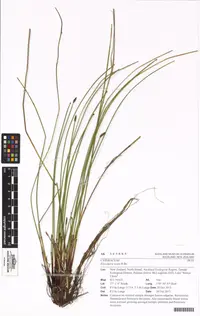
Mild water-pepper (Persicaria hydropiperoides) is a moisture-loving perennial herb often found along ponds, streams, and wet meadows. It forms loose clumps with slender, upright stems and narrow green leaves.

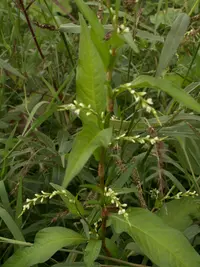
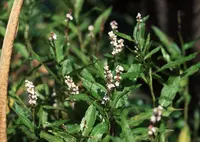
Small, delicate flower spikes appear at the stem tips, usually in pale pink or white, giving the plant a soft, airy look. It often grows in colonies, creating a natural, wild edge in wet areas.

This species prefers consistently damp to wet soils and full sun to light shade, which makes it better suited to rain gardens, pond margins, or naturalized wet spots. Once the right site is chosen, it is relatively low-maintenance, and knowing how to care for mild water-pepper mostly means keeping the soil from drying out for long periods.

Main Plant Requirements

Care Difficulty

Moderate Care

Light Preference

Partial Sun

Water Requirements

Aquatic

Temperature Preference

Cold Hardy

Hardiness Zone

3–9

Soil Texture

Loamy, Silty, Organic-rich

Soil pH

Acidic (5.5–6.5), Slightly acidic (6.5–7.0)

Soil Drainage

Waterlogged tolerant

Fertilization

Minimal (feed rarely)

Get Personalized Care Plan

Scan your plant to receive care tips personalized for your specific plant

Available on iOS and Android

How to Care for the mild water-pepper

This semi-aquatic perennial grows best with consistent, gentle light rather than harsh, drying sun.

  • Provide 4–6 hours of sun daily, ideally with morning sun and light afternoon shade, especially in hot summers.
  • Tolerates partial shade, but stems may elongate and flowering may decrease if light drops below about 3–4 hours of direct or bright filtered light.
  • Avoid intense, unfiltered afternoon sun in dry sites, which can scorch leaves; shoreline or bog plantings benefit from some dappled shade for mild water-pepper.

This species is adapted to wetlands and prefers soil that stays consistently moist to saturated.

  • Maintain soil that feels moist at all times; in garden beds, avoid letting the top 2–3 cm dry out completely before watering again.
  • In summer heat, increase watering or allow shallow standing water, while in cooler months reduce input slightly so soil is wet but not stagnant and foul-smelling.
  • Watch for yellowing, limp stems and sour odor as signs of overwatering in poorly drained containers, and for wilting, crisp leaf edges, and shrinking stems as signs of underwatering in Persicaria hydropiperoides.

This wetland plant is quite cold-hardy but grows most actively in mild to warm conditions.

  • Optimal growth occurs around 65–80°F (18–27°C), with fastest spread in consistently warm, moist sites such as pond margins and ditches.
  • Tolerates heat up to about 90°F (32°C) if roots stay wet; in very hot spells, deeper or shaded water and reduced midday exposure help prevent stress.
  • In many regions it overwinters outdoors, surviving short dips near 20°F (-7°C), but hard, prolonged frost without insulating water or mulch can kill above-ground stems.

This wetland species prefers high humidity but adapts if its root zone stays consistently moist.

  • Aim for 60–80% humidity, especially indoors, as mild water-pepper naturally grows in saturated, humid sites.
  • In dry air below ~40%, watch for crisping leaf tips, rolling leaves, and slower growth as signs of humidity stress.
  • Increase humidity with grouped water-loving plants, open trays of water near the container, or placement by naturally damp areas such as ponds.

Persicaria hydropiperoides thrives in saturated, organic-rich soil that mimics shallow marsh or pond-edge conditions.

  • Use a heavy loam rich in compost or leaf mold that holds water yet does not turn into an anoxic, foul-smelling sludge.
  • Aim for slightly acidic to neutral conditions, around pH 6.0–7.0, which supports nutrient uptake and healthy root function.
  • For container culture, mix 60–70% composted loam with 30–40% coarse sand to balance water retention with some aeration.
  • Avoid very sandy, fast-draining substrates or compacted, airless mud, as both extremes restrict stable moisture and root health.

This species can grow in containers when the setup maintains consistently wet, almost bog-like conditions.

  • Choose a wide, relatively deep container to allow spreading rhizomes and to hold a substantial, stable volume of saturated substrate.
  • Use a solid or water-retentive outer cachepot, basin, or tray system so the inner pot base can sit in standing water without drying out.
  • If placing outdoors, select a heavy or low, broad container to prevent tipping as top growth spreads and catches wind near water edges.

This wetland native generally needs minimal feeding when grown in reasonably rich, moist soil.

  • If growth is poor, use a balanced liquid fertilizer (e.g., 10-10-10) at 1/4–1/2 strength every 4–6 weeks in spring–summer.
  • Apply a thin layer of compost around plants in early spring to gently boost nutrients.
  • Stop feeding mild water-pepper in fall and winter to avoid forcing soft, weak growth.

Light pruning keeps Persicaria hydropiperoides dense, tidy, and within bounds.

  • Cut back dead, damaged, or weak stems in early spring using clean hand pruners.
  • Shear or pinch back leggy shoots after flowering to encourage bushier growth and more branching.
  • Remove crowded or crossing stems to improve airflow and reduce disease risk.
  • Trim back encroaching patches to control spread and maintain defined planting areas.

This species is more often transplanted in wet garden or pond margins than maintained as a long-term container plant.

  • Transplant in early spring or early fall, when temperatures are mild and soil stays evenly moist.
  • Move clumps when they outgrow their space, crowd neighbors, or show reduced vigor at the center.
  • Lift with a spade, keeping a large root ball intact, and replant at the same depth in saturated soil.
  • Water thoroughly after transplanting and shade for a few days if possible to reduce transplant shock.

Persicaria hydropiperoides is commonly propagated by division, cuttings, or seed in moist conditions.

  • Divide established clumps in early spring, replanting sections with strong shoots and ample roots.
  • Root 8–10 cm soft stem cuttings in late spring in water or saturated, fine-textured substrate.
  • Keep cuttings warm (65–75°F) with high humidity until roots form, then harden off gradually.
  • Sow fresh seed on the surface of moist soil in fall or early spring; do not allow the seedbed to dry.

This hardy perennial usually survives normal winters in its range with minimal intervention.

  • Dormant crowns tolerate light to moderate frost once established in wet ground.
  • In colder regions, apply a 3–5 cm mulch around the root zone after hard frost to buffer temperature swings.
  • Container-grown plants in zones colder than their rating can be sunk into the ground or moved to a cool, frost-free space.

Care Tips

Shallow Water Placement

Position plants at the edge of ponds or in trays with 1–3 cm of standing water to mimic natural wetland margins and keep roots consistently moist without full submersion of the foliage.

Rhizome Division Timing

Divide clumps in early spring just as new shoots emerge, slicing sections with at least 2–3 growing points and replanting immediately so stands stay vigorous and do not become overcrowded or weak.

Bank Stabilization Use

Plant in a dense line along gently sloping streambanks or swales, spacing stems 15–20 cm apart to help stabilize soil and reduce erosion in wet areas.

Controlled Spread Management

Install shallow root barriers or use sunken containers in the ground where spread is not desired, and remove outermost stems a few times per season to keep colonies within defined boundaries.

Mosquito Habitat Prevention

If grown in containers of water, refresh the water every 5–7 days or use a small fountain pump so water does not stagnate and become a mosquito breeding site while growing mild water-pepper in outdoor spaces.

Common Pests and Diseases

Leaf beetles

These insects chew irregular holes in the leaves and can skeletonize foliage along wet margins where the plant grows. Damage is often most visible on young, tender shoots in full sun exposures.

Solution

Hand-pick adults and larvae into soapy water where infestations are light, and remove heavily damaged stems to reduce feeding sites. Encourage predators by avoiding broad-spectrum insecticides, and if needed use a targeted product containing spinosad, applied in the evening to limit impact on beneficial insects.

Aphids

These insects cluster on young stems and undersides of leaves, sucking sap and causing curling, distortion, and sticky honeydew that can lead to sooty mold. Colonies often build quickly on vigorous, nutrient-rich growth along pond or ditch edges.

Solution

Wash colonies off with a firm stream of water and prune back heavily infested shoots. For persistent problems, use insecticidal soap or a light horticultural oil, ensuring thorough coverage of the undersides of leaves and repeating as needed according to label directions.

Leaf spot

This disease causes small brown to purplish spots on leaves that may merge into larger blotches, especially in dense, wet stands. Symptoms include premature yellowing and shedding of leaves, which can thin out patches of the plant.

Solution

Remove and discard affected leaves and thin crowded stems to improve airflow and faster drying after rainfall or flooding. Avoid overhead watering in managed plantings and, if disease is severe in a garden context, consider rotating plantings or using a copper-based fungicide labeled for ornamental use near water, applied carefully according to local regulations.

Powdery mildew

This disease produces a white to gray powdery coating on upper leaf surfaces and stems, often in late summer when nights are cool and humidity is high. Symptoms include reduced vigor and distorted new growth, especially in partially shaded sites with poor air circulation.

Solution

Increase spacing and trim surrounding vegetation to promote airflow and reduce leaf wetness duration. Remove and discard the most affected shoots, and if needed apply a sulfur or potassium bicarbonate product labeled for ornamentals, avoiding treatments during very hot weather to reduce leaf burn risk.

Rust

This disease forms orange to brown pustules on the undersides of leaves and corresponding yellow spots on the upper surface. Symptoms include early leaf drop and reduced plant vigor in long-term, saturated sites where foliage stays damp for extended periods.

Solution

Regularly remove and dispose of infected leaves to lower the spore load, and keep plantings thinned so leaves dry more quickly after rain or flooding. In ornamental or restoration plantings where rust recurs severely, consider introducing more air movement and, if regulations allow, using a labeled ornamental rust fungicide as a last resort.

Interesting Facts

Amphibious growth habit

This species commonly grows with its roots submerged in shallow water while its stems and leaves emerge into the air, reflecting an amphibious lifestyle adapted to fluctuating water levels in wetlands and along stream margins.

Specialist wetland indicator

Persicaria hydropiperoides is used by wetland ecologists in North America as a reliable indicator of saturated or seasonally flooded soils, since it occurs most frequently in consistently moist to wet habitats.

Distinctive flower structure

Its small, pale pink to white flowers are borne in slender, interrupted spikes, with each flower having a jointed pedicel that gives the inflorescence a slightly nodding, flexible appearance when mature.

Botan icon

Did you know?

In parts of North America, this species often forms dense patches that provide shelter and foraging habitat for aquatic invertebrates and juvenile amphibians in shallow-water zones, making it an important structural component of marsh and pond-edge ecosystems.

FAQs about mild water-pepper

This species spreads readily by seed and creeping stems in wet ground. In suitable conditions it can form dense patches. Use edging, containers, or regular thinning if you want to prevent it from taking over small spaces.

Grow Healthy Plants with Botan Care

Keep your plants happy and healthy with plant identification, disease detection, and easy care guidance.

Botan plant care app — identify plants on mobile

Explore More Plants