Submerged Basket Use
Grow clumps in mesh pond baskets filled with heavy loam and sink them 5–15 cm below the water surface to keep roots contained while allowing water flow and easy seasonal repositioning.

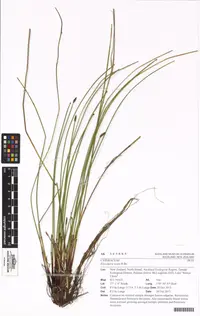
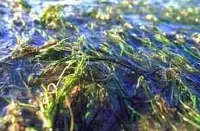
Sharp spike sedge, Eleocharis acuta, is a fine-textured, grass-like wetland plant forming dense clumps of upright, needle-thin stems. It lacks showy leaves and flowers, giving a clean, architectural look.
This species is native to wetlands, stream margins, and shallow waters in Australia and parts of New Zealand, often forming colonies in consistently moist or flooded soils. It is generally undemanding if kept in the right conditions, but it declines quickly in dry or compacted ground.
Stable moisture, sun to light shade, and low-competition, sandy or silty substrates make it much easier to care for Sharp Spike Sedge, whether in ponds, rain gardens, or naturalistic plantings.

Care Difficulty
Moderate Care

Light Preference
Full Sun

Water Requirements
Aquatic

Temperature Preference
Warm Climate

Hardiness Zone
8–11

Soil Texture
Sandy, Loamy, Organic-rich

Soil pH
Acidic (5.5–6.5), Slightly acidic (6.5–7.0)

Soil Drainage
Waterlogged tolerant

Fertilization
Minimal (feed rarely)
Scan your plant to receive care tips personalized for your specific plant
Available on iOS and Android
This wetland sedge thrives in full sun but tolerates light shade, especially in hot regions.
This species prefers constantly moist to saturated conditions, similar to its natural marsh and pond-edge habitats.
This sedge grows best in mild to warm conditions but shows good tolerance to both cool and hot weather within limits.
This wetland sedge prefers consistently high humidity close to its native boggy conditions.
Eleocharis acuta thrives in saturated, organic-rich substrates that mimic shallow marsh or pond margins.
This species is suitable for container growing, especially in water gardens or bog-style pots.
Eleocharis acuta is a low-nutrient wetland sedge that benefits from only light, controlled feeding in containers or nutrient-poor setups.
Pruning Eleocharis acuta is mainly cosmetic and helps maintain tidy, upright growth in ponds, bog gardens, or containers.
Transplanting or dividing Eleocharis acuta is useful to refresh crowded clumps, manage spread, or move plants within water features.
Propagation of Eleocharis acuta is commonly done by division or seed to expand plantings in wetland gardens and pond margins.
Eleocharis acuta is generally cold hardy in many temperate climates and often needs minimal winter intervention in the ground.

Plant Health Check
Not sure what's wrong with your plant? Check your plant's health inside the app.
This species is naturally widespread in Australia and often dominates shallow freshwater wetlands, floodplains, and slow-moving waterways, where it forms dense, almost pure stands in the zone that is regularly inundated.
It spreads mainly through underground rhizomes, creating extensive clonal patches that help stabilize soft, silty substrates and reduce erosion along the edges of creeks, dams, and marshes.
Dense clumps of this sedge provide important shelter and breeding structure for small fish, tadpoles, and aquatic invertebrates, which use the fine, upright stems as protection from predators and currents.

In ecological restoration projects across parts of Australia, this species is frequently planted as a key structural component in recreated wetlands and constructed stormwater systems because its robust root and rhizome network tolerates periodic flooding, mild waterlogging, and moderate nutrient loads while improving habitat complexity.
This species spreads by creeping rhizomes and self-seeding, especially in consistently wet soils. In garden settings it can form dense colonies. Use edging, containers, or regular division if a more controlled clump size is desired.
Keep your plants happy and healthy with plant identification, disease detection, and easy care guidance.