southern bladderwort Care (Utricularia juncea)

Also known as: Rush bladderwort
southern bladderwort

About southern bladderwort

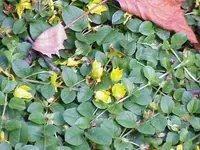
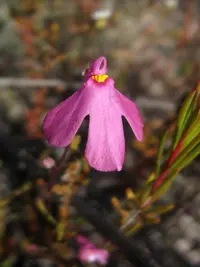
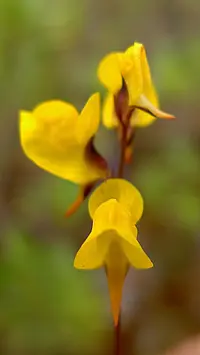
Southern bladderwort (Utricularia juncea) is a small, rootless aquatic or semi-aquatic carnivorous plant that traps tiny aquatic organisms in bladder-like structures. It usually forms fine, grass-like stems and underwater threadlike leaves, which can be easy to overlook until it sends up delicate yellow flowers above the water surface.

This species is native to wetlands, ponds, and marshy areas in the southeastern United States, where it grows in nutrient-poor, acidic water. It can be moderately challenging to grow because it needs clean, low-nutrient water and stable moisture. Those who want to learn how to care for southern bladderwort should understand its need for bright light, soft water, and no regular potting soil.

Main Plant Requirements

Care Difficulty

Hard Care

Light Preference

Full Sun

Water Requirements

Aquatic

Temperature Preference

Warm Climate

Hardiness Zone

7–11

Soil Texture

Sandy, Silty, Organic-rich

Soil pH

Strongly acidic (4.5–5.5), Acidic (5.5–6.5)

Soil Drainage

Waterlogged tolerant

Fertilization

Minimal (feed rarely)

Get Personalized Care Plan

Scan your plant to receive care tips personalized for your specific plant

Available on iOS and Android

How to Care for the southern bladderwort

This carnivorous wetland species grows best in open, bright sites with consistent sun exposure.

  • Provide 4–6 hours of direct morning sun plus bright filtered light the rest of the day; open pond edges or sunny bogs suit southern bladderwort well.
  • Plant in positions with at most light partial shade; dense shade reduces flowering and weakens growth over several seasons.
  • Watch for leaf scorch or bleaching in intense midday summer sun; if this appears, shift to slightly more filtered light, especially in hotter regions.

This aquatic or bog-dwelling species depends on constantly wet, low-nutrient conditions rather than a typical soil watering schedule.

  • Grow Utricularia juncea in shallow, standing water or saturated peat/sand mix so the root zone never dries; water level can fluctuate a few cm but should not expose roots for long.
  • Use rainwater, distilled, or reverse-osmosis water to avoid mineral buildup that damages the traps and stunts growth.
  • Signs of underwatering include shrinking mats and browning stems as substrate dries; foul odor, cloudy water, or rotting tissue often indicates overly stagnant, anaerobic conditions.

This species prefers warm, frost-free conditions typical of mild to hot climates.

  • Support active growth with temperatures around 70–86°F (21–30°C), similar to warm summer wetland conditions.
  • Avoid frost; damage often occurs below about 32°F (0°C), and repeated freezing can kill plants in shallow water or exposed bog setups.
  • In hot spells above 95°F (35°C), maintain water depth and good air movement; warmer water holds less oxygen, so deeper or slightly shaded pools reduce heat stress.

This species needs consistently high humidity to thrive in cultivation.

  • Aim for 70–90% humidity, keeping air very moist around southern bladderwort at all times.
  • Tolerates only brief drops near 50–60%; dry air leads to brown, shrinking foliage and stalled growth.
  • Increase humidity with water trays under pots, dense groupings near other aquatics, or an enclosed terrarium setup.

This carnivorous wetland species requires permanently saturated, nutrient-poor substrate rather than conventional potting soil.

  • Use a fine-textured mix of 1:1 unfertilized sphagnum peat and silica sand to mimic bog conditions.
  • Keep the substrate waterlogged but not foul, with the pot standing in several cm of low-mineral water.
  • Maintain slightly acidic conditions around pH 4.0–6.0, avoiding any liming agents or tap water high in minerals.
  • Avoid composts, manures, standard potting mixes, and fertilizers, which burn delicate roots and disrupt Utricularia juncea plant care.

This species can be grown successfully in containers that maintain stable, shallow, bog-like water levels.

  • Choose a wide, shallow container to allow spreading stolons while keeping the entire substrate evenly wet.
  • Use plastic or glazed ceramic to slow evaporation so the water tray beneath does not dry out quickly.
  • Place the container in a deep saucer or tray that can hold 2–5 cm of rain or distilled water for constant saturation.

This carnivorous wetland species gains most nutrients from prey, so southern bladderwort needs little or no conventional fertilization in cultivation.

Utricularia juncea needs only light grooming to keep growth tidy and flowering stems healthy.

  • Trim spent flower stalks at the base after blooming to encourage fresh flowering and prevent seed overproduction.
  • Gently remove dead or decaying foliage whenever seen to reduce rot and maintain water quality.
  • Thin out overcrowded mats with fine scissors or tweezers, improving light penetration and gas exchange.
  • Avoid heavy cutting into healthy green tissue, as this can slow recovery and weaken the colony.

This species is usually grown in shallow trays or bog setups, where disturbance is kept to a minimum.

  • Transplant when growth becomes very dense, water quality declines, or the medium compacts and smells sour.
  • Best timing is in spring or early summer, when active growth allows faster recovery from handling.
  • Plan on refreshing the nutrient-poor, peat‑based medium every 2–3 years rather than frequent repotting.
  • Gently lift and move clumps with as much surrounding medium and water as possible to limit root and stolon damage.

Utricularia juncea plant care often includes controlled propagation to maintain vigorous, pest‑free colonies.

  • Vegetative division in late spring or early summer is the most reliable method for home growers.
  • Carefully separate small clumps with intact stolons and bladders, then place them into fresh, low‑mineral, water‑saturated medium.
  • Keep divisions warm with bright, indirect light and stable water level to support rapid establishment.
  • Seed propagation is possible but slow; sow on the medium surface in high humidity and avoid covering the tiny seeds.

This species is naturally warm‑temperate to subtropical and dislikes freezing conditions.

  • In climates with frost, grow in containers rather than in-ground bogs to simplify seasonal management.
  • Before temperatures approach 32°F, move containers indoors or into a heated greenhouse with bright, indirect light.
  • Maintain waterlogged, low‑mineral conditions through winter, but slightly cooler (50–60°F) to reduce stress and algae growth.

Care Tips

Shallow Water Trays

Use a wide, shallow tray with 1–3 cm of low‑mineral water so the fine stolons can spread horizontally and form a dense, healthy mat rather than growing too deep and weak.

Seasonal Dormancy Shift

In cooler climates, gradually reduce water depth and light intensity in late fall, then increase both again in spring to mimic natural seasonal changes and support long‑term vigor.

Avoid Organic Debris

Regularly siphon or tweeze out dead insects, algae clumps, and leaf litter from the water and substrate to keep traps from clogging and to prevent anaerobic, foul‑smelling conditions.

Use Inert Containers

Grow plants in glazed ceramic, glass, or food‑grade plastic pots or trays, since porous or reactive materials can leach minerals that inhibit bladder function and root health.

Monitor Trap Activity

Check bladders with a simple hand lens every few weeks; consistently empty, colorless traps often indicate water that is too mineral‑rich or stagnant, signaling a need for fresher, purer water when caring for southern bladderwort.

Common Pests and Diseases

Algal overgrowth

Symptoms include bright green, slimy films covering water surfaces, pot walls, or planting media around the stolons and traps. This condition competes with the plant for light and dissolved nutrients and can smother fine growths.

Solution

Reduce light intensity directly on the water surface, shorten photoperiod slightly, and avoid nutrient-rich water to limit algal growth. Manually remove algae films, rinse containers, and refresh with clean rainwater, distilled, or reverse-osmosis water, keeping the water level just high enough for the bog substrate but not flooding the entire container continuously.

Filamentous aquatic fungi

This disease presents as white to translucent cottony strands or films in the water or on decaying plant debris, especially in stagnant trays or aquaria. It usually colonizes dying tissue first and can spread over fine stolons and traps in poorly maintained water.

Solution

Siphon or gently rinse out fungal masses and remove all decaying plant material from the water. Improve water circulation or perform more frequent water changes with very clean low-mineral water, and thin overcrowded growth so that traps and stolons are not buried in decomposing organic matter.

Aphids

These insects may cluster on tender flower stalks and emerging buds, sucking sap and causing distortion, stunting, or sticky honeydew deposits. In outdoor bog setups, they tend to appear seasonally when flower scapes elongate above the foliage.

Solution

Pinch or rinse off colonies under a gentle stream of water, or wipe affected scapes with a soft cloth or cotton swab dipped in water. For heavier infestations, use a mild, fragrance-free soap solution at low concentration, applied carefully to flower stalks and rinsed off thoroughly, avoiding long contact with traps and roots in nutrient-poor substrates.

Spider mites

This pest causes very fine stippling, dulling, or bronzing on above-water foliage and stems, sometimes with thin webbing in dry, warm indoor air. Damage is more likely when attempting southern bladderwort indoor care under low humidity and strong light.

Solution

Increase ambient humidity around the plant and lower heat stress, then rinse foliage and stems under a gentle shower to dislodge mites. For persistent problems, use repeated applications of a mild insecticidal soap or dilute horticultural oil on emergent growth only, allowing the plant to dry quickly and keeping soap residues out of the water reservoir.

Interesting Facts

Specialized wetland habitat

This species is native to nutrient-poor, acidic wetlands in the southeastern United States, especially shallow ponds, seepage areas, and seasonally flooded sandy depressions where water is clean and low in dissolved minerals.

Threadlike terrestrial growth

Unlike many bladderworts that float freely, this species usually grows as a terrestrial plant with very slender, rush-like flowering stems that can form sparse colonies among grasses and sedges in open bogs.

Minute subterranean traps

Its hair-thin underground stolons bear tiny bladder traps that capture microscopic soil water organisms, allowing the plant to obtain nitrogen and other nutrients in otherwise very infertile substrates.

Botan icon

Did you know?

This species plays a role as an indicator of relatively undisturbed wetland conditions, since it tends to disappear when its native bog and seep habitats are drained, heavily fertilized, or shaded by woody succession.

FAQs about southern bladderwort

This species can spread quickly in consistently wet, low-nutrient conditions, especially in shallow water or saturated peat. It is not usually a problem in controlled containers, but in natural ponds it may form loose colonies over time.

Grow Healthy Plants with Botan Care

Keep your plants happy and healthy with plant identification, disease detection, and easy care guidance.

Botan plant care app — identify plants on mobile

Explore More Plants