lesser bladderwort Care (Utricularia minor)

lesser bladderwort

About lesser bladderwort

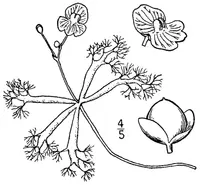
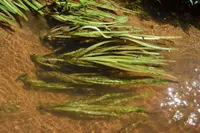
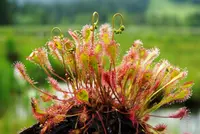
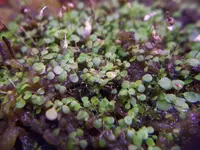
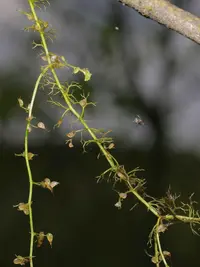
Lesser bladderwort, Utricularia minor, is a tiny, free-floating or loosely rooted aquatic carnivorous plant. It forms delicate green strands with small bladders that trap microscopic aquatic animals.

It naturally occurs in nutrient-poor, shallow waters such as bog pools, ponds, and slow streams across cooler regions of the Northern Hemisphere. Its carnivorous lifestyle helps it survive in waters with very low mineral nutrients.

This species is small, slow-growing, and sensitive to water quality changes, which can make how to care for lesser bladderwort more challenging than many common aquarium or pond plants. It generally prefers clean, soft, slightly acidic water with full sun to bright light and no added fertilizer in the substrate.

Main Plant Requirements

Care Difficulty

Hard Care

Light Preference

Partial Sun

Water Requirements

Aquatic

Temperature Preference

Cool Climate

Hardiness Zone

3–8

Soil Texture

Sandy, Silty, Organic-rich

Soil pH

Strongly acidic (4.5–5.5), Acidic (5.5–6.5)

Soil Drainage

Waterlogged tolerant

Fertilization

Minimal (feed rarely)

Get Personalized Care Plan

Scan your plant to receive care tips personalized for your specific plant

Available on iOS and Android

How to Care for the lesser bladderwort

This small aquatic carnivorous plant prefers bright, gentle light that mimics open, shallow wetlands.

  • Provide 4–6 hours of soft sun, ideally morning sun with light shade or filtered light from midday onward to prevent leaf scorching.
  • Tolerates bright overcast conditions and partial shade; dense shade for more than 70–80% of the day leads to weak, pale growth in lesser bladderwort.
  • In summer, protect from harsh afternoon sun; in cooler seasons, allow more direct light to support photosynthesis and flowering.

This species is adapted to nutrient-poor, standing or very slow-moving water rather than conventional soil.

  • Grow in rainwater, distilled, or reverse-osmosis water with no fertilizer; avoid tap water if it is hard or chlorinated, as mineral buildup damages traps.
  • Maintain water at or just above the plant’s level at all times; drying exposes delicate stolons and causes dieback in Utricularia minor.
  • In outdoor ponds or tubs, watch for signs of stress such as browning, shrinking mats, or trapped air pockets, which may indicate poor water quality or stagnation.

This temperate aquatic carnivore tolerates cool conditions but grows best in mild, stable temperatures.

  • Aim for 60–75°F (16–24°C) during active growth; shallow water warms quickly, so avoid placing containers where temperatures spike sharply.
  • Short exposures down to 32°F (0°C) may be survived if the water body does not freeze solid, but repeated hard frosts can kill small colonies.
  • Heat above 86°F (30°C) in full sun can overheat shallow pools; provide shade cloth or deeper water zones to moderate temperature swings.

This small aquatic carnivorous species needs very high humidity to thrive in cultivation.

  • Aim for 70–90% humidity, keeping air saturated around emergent foliage while the water level stays consistently high.
  • Dry indoor air causes browning or crisping of tiny leaves and stalled growth near the water surface.
  • Use a covered aquarium or terrarium with minimal airflow gaps to maintain high ambient humidity.
  • Position water trays and floating vegetation around lesser bladderwort to create a locally humid microclimate.

This species grows best in nutrient-poor, waterlogged media rather than conventional soil.

  • Use a mix of 2 parts sphagnum peat to 1 part silica sand, forming a fine, soft, organic-rich substrate with no added fertilizer.
  • Keep the substrate permanently submerged or at least saturated, as Utricularia minor naturally grows in shallow, still water and mud.
  • Maintain pH around 5.0–6.5 by using peat-based media and rainwater, distilled water, or reverse-osmosis water instead of tap water.
  • Avoid mineral-rich, compacted, or fertilized soils, which burn sensitive roots and favor algae and competing plants.

This plant is suitable for containers, especially shallow aquatic setups or bog-style trays.

  • Choose a wide, shallow container to provide a broad water surface and prevent deep, stagnant pockets that deplete oxygen near the substrate.
  • Use inert plastic or glazed ceramic containers to limit mineral leaching into the soft, low-nutrient water the plant requires.
  • Keep containers stable and level so the water depth stays uniform, preventing plants from drying at the edges while others remain deeply submerged.

This carnivorous aquatic species gains most nutrients from captured prey, so fertilizer use for Utricularia minor should be minimal and cautious.

  • Skip fertilizer for healthy plants in nutrient-poor water, which best supports its trapping structures and natural feeding.
  • If growth is weak in cultivation, use a very dilute (10–25% strength) balanced NPK aquatic fertilizer, never standard houseplant food.
  • Apply only during active growth in spring–summer, at most once every 4–6 weeks, and monitor for algae or leaf yellowing.
  • Avoid feeding during winter or dormancy; excess nutrients can damage bladder traps and favor algae over lesser bladderwort.

Pruning Utricularia minor is light and mainly aimed at maintaining healthy, unclogged growth in cultivation.

  • Best timing is during active growth in late spring–summer, when the plant recovers fastest from tissue removal.
  • Snip away dead, decaying, or algae-covered strands with fine scissors to maintain water quality and photosynthetic area.
  • Thin out heavily crowded mats to improve light penetration and circulation, which supports healthier trap formation and flowering.
  • Avoid cutting into healthy green sections too aggressively; remove material in small sections and reassess the plant’s response.

Container-grown Utricularia minor is not repotted in the usual sense but is occasionally moved or divided to refresh water and growing space.

  • Look for overly dense mats, stagnant water, or declining growth as signs it needs transplanting to a refreshed container or pond section.
  • Best timing is in spring, just before vigorous growth begins, so the plant can re-establish quickly in its new location.
  • Transplant every 1–2 years by gently lifting portions of the mat and placing them in clean, low-nutrient water with suitable substrate, if used.
  • Handle strands carefully, avoid squeezing the fine bladders, and keep roots and shoots submerged at all times to minimize stress.

In cultivation, Utricularia minor is most often propagated vegetatively, using small pieces of the existing colony.

  • Vegetative division works best in spring–early summer; gently separate healthy sections of the mat with multiple growing tips.
  • Place divisions in shallow, low-nutrient water under bright, indirect light to encourage new shoot extension and bladder development.
  • Use clean tweezers or fingers to position fragments so they do not dry out; keep them fully submerged or consistently saturated.
  • Seed propagation is possible but slow; seeds need consistently wet, nutrient-poor conditions and stable temperatures to germinate well.

Winter care for Utricularia minor depends on climate and whether it is grown outdoors or in controlled containers.

  • In cold temperate regions, hardy populations tolerate freezing water if submerged, though above-water foliage may die back seasonally.
  • Outdoor containers in zones with severe frost should be sunk into the ground or insulated to buffer rapid temperature swings.
  • Indoor or marginally hardy plants benefit from moving to a cool, bright location where water does not freeze but growth can slow naturally.

Care Tips

Use Shallow Trays

Grow colonies in wide, shallow trays or tubs rather than deep containers to keep water depth stable and allow the fine stolons and traps to spread efficiently just under the water surface.

Control Water Depth

Maintain a consistent shallow water layer, usually 2–8 cm above the substrate, and top up with rainwater or RO water instead of doing large, sudden water changes that can shock the traps.

Limit Competing Plants

Regularly remove filamentous algae and aggressive mosses by gently twirling them around a chopstick or fork so they do not shade out the delicate foliage or compete for space.

Seasonal Cool Period

If grown outdoors in suitable climates, allow a natural cool period so the plant can form resting turions (overwintering buds), then carefully thin decaying material in late winter to give new growth light and space.

Provide Small Prey

Encourage micro-crustaceans and other tiny aquatic organisms by seeding the water with a small scoop of water from an established, pesticide-free pond, which supports the plant’s nutrition and overall vigor when growing lesser bladderwort.

Common Pests and Diseases

Algal overgrowth

This condition occurs when free-floating or filamentous algae rapidly colonize the water surface and substrate around the plant. Symptoms include green scum, cloudy water, and shading that weakens the plant’s fine foliage and traps.

Solution

Reduce nutrient load by avoiding fish food, fertilizers, or organic debris in the water, and increase water changes with soft, low-nutrient water. Provide bright but not extreme direct sun, remove algae manually with a fine net or siphon, and use gentle water movement or partial shading to limit algae while still allowing enough light for Utricularia minor care instructions.

Cyanobacterial slime (blue-green algae)

This disease is caused by photosynthetic bacteria that form dark, slimy mats on submerged surfaces and can smother the plant’s thin stems. Symptoms include a strong earthy or musty odor and sheets of dark green, blue-green, or brown slime lifting from the substrate or plant tissue.

Solution

Manually siphon or lift off the slime, then perform large, frequent water changes with low-mineral water and reduce excess nutrients and decaying organic matter. Increase gentle circulation and stabilize light duration to 10–12 hours per day, avoiding sudden large light spikes that favor cyanobacteria growth.

Aquatic snails

These animals sometimes graze on delicate plant parts, damaging stolons and traps or scraping the leaf surface. This pest is often introduced with wild-collected material or live foods and can multiply in nutrient-rich, still water.

Solution

Physically remove visible snails by hand or with baited lettuce leaves, and rinse any new aquatic plants thoroughly before adding them. If populations remain high, trap snails repeatedly and avoid overfeeding any tank inhabitants so leftover food does not support rapid snail reproduction.

Aquatic aphids

These insects can colonize emergent or floating parts of the plant in shallow trays or pond edges, sucking sap from photosynthetic tissues. Symptoms include distorted new growth, sticky residues, and the presence of small pale green or dark insects on stems and leaf-like structures above the waterline.

Solution

Rinse infested growth gently under running water, or submerge emergent parts temporarily to dislodge aphids without harming the plant. In outdoor or greenhouse setups, encourage natural predators such as lady beetles, and avoid broad-spectrum insecticides that can contaminate the water and harm the plant’s traps.

Interesting Facts

Specialized tiny traps

This species produces very small underwater bladder traps, often less than 1 mm, that open and close in a fraction of a second to capture microinvertebrates such as water fleas.

Preference for cold waters

It naturally occurs in cool, nutrient-poor bog pools and shallow lakes across northern regions, including parts of North America and Eurasia, and is especially associated with oligotrophic, low-mineral waters.

Elusive and easily overlooked

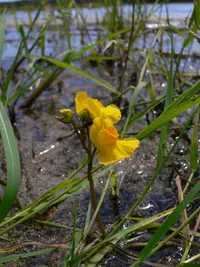
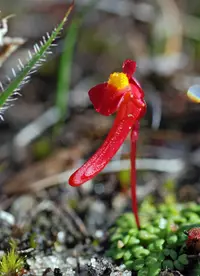
Despite being widespread in suitable habitats, it is often under-recorded because the slender, branching shoots and small pale yellow flowers are hard to detect among mosses and other submerged vegetation.

Botan icon

Did you know?

In winter, this species forms compact resting structures called turions that detach and sink to the bottom, allowing the plant to survive freezing conditions and then refloat and regrow when water warms in spring.

FAQs about lesser bladderwort

Poor flowering usually comes from low light, water that is too nutrient-rich, or unstable water levels. Provide bright conditions, low-mineral water, and steady shallow depth. Avoid heavy fertilization, which reduces trap formation and flowering in this carnivorous species.

Grow Healthy Plants with Botan Care

Keep your plants happy and healthy with plant identification, disease detection, and easy care guidance.

Botan plant care app — identify plants on mobile

Explore More Plants