


Control Runner Spread
Periodically thin and trim older outer rosettes and long runners with sharp aquascaping scissors so the stand does not crowd filters, reduce flow, or shade out other aquatic plants.

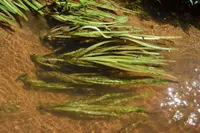
American eelgrass, Vallisneria americana, is a submerged freshwater aquatic plant commonly used in aquariums and ponds. It forms long, ribbon-like green leaves that grow in dense, underwater rosettes.
In nature it occurs in slow-moving rivers, lakes, and wetlands across North America, where it provides shelter and oxygen for fish and aquatic invertebrates. Its ability to adapt to a range of water conditions makes it relatively easy to maintain.
Understanding how to care for American eelgrass is mostly about providing stable water quality, adequate light, and a nutrient-rich substrate rather than complex maintenance routines.

Care Difficulty
Easy Care

Light Preference
Full Sun

Water Requirements
Aquatic

Temperature Preference
Cool Climate

Hardiness Zone
4–11

Soil Texture
Sandy, Loamy, Organic-rich

Soil pH
Slightly acidic (6.5–7.0), Neutral (7.0)

Soil Drainage
Waterlogged tolerant

Fertilization
Light (every 4–6 weeks)
Scan your plant to receive care tips personalized for your specific plant
Available on iOS and Android
This submerged aquatic plant needs bright, consistent light to form dense underwater stands.
Vallisneria americana grows fully submerged and depends on stable, clean water conditions rather than soil moisture cycles.
This species tolerates a broad temperature range but grows best in stable, moderate conditions.
Humidity is not a meaningful factor for Vallisneria americana because it lives fully submerged in water.
As an aquatic plant, Vallisneria americana anchors in submerged substrate rather than traditional garden soil.
This species is highly suitable for container growing in ponds or aquaria when depth and stability are considered.
Aquarium-grown Vallisneria americana benefits from modest, consistent nutrition rather than heavy feeding.
Pruning Vallisneria americana manages length, maintains light penetration, and removes declining foliage.
Transplanting is more relevant than repotting, since this species is usually grown rooted in aquarium substrate.
Vallisneria americana is commonly propagated through its natural runner system rather than by seed in home setups.
In indoor heated aquariums, Vallisneria americana typically needs no special winter care.

Plant Health Check
Not sure what's wrong with your plant? Check your plant's health inside the app.
This species forms long, ribbon-like leaves that can exceed 1–2 m in length in natural habitats, creating underwater meadows in slow-moving rivers and lakes across eastern North America.
Male and female flowers grow on separate plants; male flowers detach and float at the water surface, where they contact the stationary female flowers for pollination.
Dense stands provide shelter, feeding grounds, and spawning sites for fish, invertebrates, and waterfowl, and they also help stabilize sediments and improve water clarity in freshwater ecosystems.

Vallisneria americana can tolerate a surprisingly wide range of salinity for a freshwater plant and sometimes forms extensive beds in slightly brackish portions of estuaries, where it supports nursery habitat for juvenile fishes such as striped bass and blue crabs.
Yellowing leaves usually result from low nutrients, especially iron, or from very low light and old age of outer blades. Check water hardness, add an aquatic plant fertilizer, and trim oldest leaves to encourage new growth.
Keep your plants happy and healthy with plant identification, disease detection, and easy care guidance.

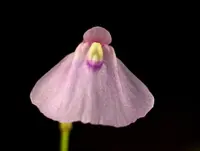
fairy aprons
Utricularia dichotoma
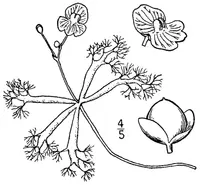
little floating bladderwort
Utricularia radiata
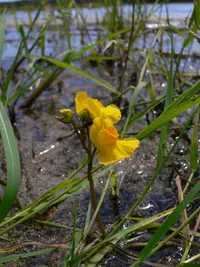
Bladderwort
Utricularia australis
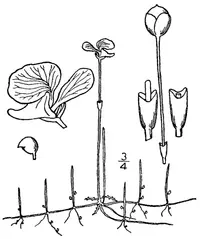
lavender bladderwort
Utricularia resupinata
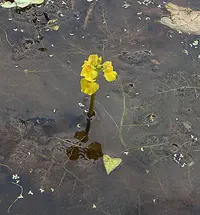
leafy bladderwort
Utricularia foliosa
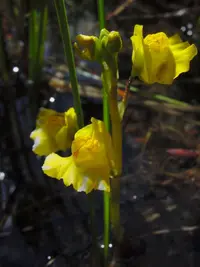
Common bladderwort
Utricularia macrorhiza
Florida yellow bladderwort
Utricularia floridana
striped bladderwort
Utricularia striatula